Sometimes the most obvious water problems are the ones nobody talks about. You take a shower and your skin feels unusually tight. You wash a glass and hold it up to the light, only to find another collection of white spots. The kettle seems to develop a layer of mineral residue almost overnight.
None of these things necessarily feels important enough to call a plumber about. Yet when the same issues keep happening, there’s a good chance your water chemistry is playing a part.
Hard water is extremely common. It contains higher levels of naturally occurring minerals, mainly calcium and magnesium, picked up as water moves through soil and rock. For most households, hardness isn’t an emergency. It’s more of a persistent nuisance that can affect cleaning, fixtures, appliances, and the way water feels.
Understanding those everyday clues can help you decide whether treatment is actually worthwhile.
Your Skin May Notice Before You Do
One of the first complaints people associate with hard water is skin that feels dry or tight after bathing.
If you’ve noticed dry skin despite using the same soap, moisturizer, and shower routine you’ve always used, water hardness may be one factor worth considering. Hard water can interact with soaps and leave residues on the skin, which may contribute to an unpleasant feeling after washing.
Of course, dry skin has plenty of possible causes, including weather, bathing habits, products, and individual skin sensitivity. Water isn’t automatically the culprit.
Still, if the issue seems particularly noticeable after showering, checking your water hardness can provide another piece of the puzzle.
Your Dishes Can Leave Clues Behind
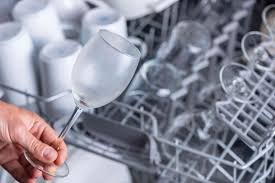
Few household chores are more annoying than unloading a dishwasher and discovering that the glasses still look dirty.
Those pale spots or film-like deposits may be caused by mineral content in the water. Cloudy dishes are a common frustration in homes with harder water, particularly when minerals combine with detergent and remain on surfaces after the wash cycle.
You might notice it most on glassware because transparent surfaces make deposits painfully obvious. Hold a glass near a window and suddenly every little mark seems to stand out.
Rinse aids, proper detergent amounts, dishwasher temperature settings, and regular cleaning can help. But if the problem keeps returning, water hardness may be worth testing rather than continually changing detergents.
What’s Actually Happening in the Water?
The minerals responsible for hardness are mainly calcium and magnesium.
These hardness minerals aren’t contaminants in the traditional sense. They’re naturally occurring substances that become part of groundwater as it moves through geological formations.
The concentration can vary dramatically between locations. That’s why one home may have very little scale while another, only a few miles away, seems to have mineral deposits everywhere.
A water test can determine the actual hardness level. Instead of relying on how the water feels or how much scale you see, you’ll have a measurable result to work from.
Faucets Often Show the Problem Clearly
Look closely at the base of a faucet.
If you see white, chalky material building up around the edges, hard-water minerals may be responsible. The same deposits can appear on showerheads, sink fixtures, and other places where water regularly evaporates.
Cleaning can remove the deposits temporarily, but they’ll return if the underlying water chemistry remains unchanged.
For a mildly affected household, routine cleaning may be perfectly adequate. If deposits are severe and constantly returning, however, treatment could make everyday maintenance easier.
Water Heaters Have a Tougher Job
Hard water can be especially frustrating when it’s heated.
Water heaters create an environment where mineral deposits can accumulate on internal surfaces and components. Over time, scale and sediment can affect efficiency and increase maintenance needs.
The exact impact depends on water chemistry, equipment design, temperature, and maintenance habits.
If your water heater is making unusual popping or rumbling sounds, don’t automatically blame hardness. Sediment buildup, aging components, and other mechanical issues can also contribute.
A professional inspection can help identify what’s actually happening.
Your Coffee Maker Might Be Complaining Too
Coffee machines are surprisingly good at exposing hard water.
If you’ve ever descaled a coffee maker and wondered where all that crusty material came from, minerals in the water may be part of the answer.
The same principle applies to kettles, humidifiers, steam irons, and other appliances that heat or evaporate water.
Regular descaling according to the manufacturer’s instructions can help protect these devices. If buildup returns unusually quickly, testing your water may be worthwhile.
Sometimes the appliance isn’t the problem. It’s simply reacting to the water it’s given.
Soap Can Behave Differently
Hard water can make soap and detergent less effective because calcium and magnesium interact with certain soap compounds.
You may notice that soap doesn’t produce the same satisfying lather. Shampoo may feel harder to rinse away, or a bathtub may develop a dull film more quickly.
Again, this doesn’t mean the water is unsafe. It’s a chemistry issue that affects how products behave.
Some households compensate by using different cleaning products or adjusting quantities. Others decide that reducing hardness throughout the home is worth the investment.
What Can You Do About Hard Water?
The first step is surprisingly simple: test it.
If hardness is low or moderate and isn’t causing meaningful problems, you may decide that treatment isn’t necessary. There’s no reason to install equipment simply because a water report contains calcium and magnesium.
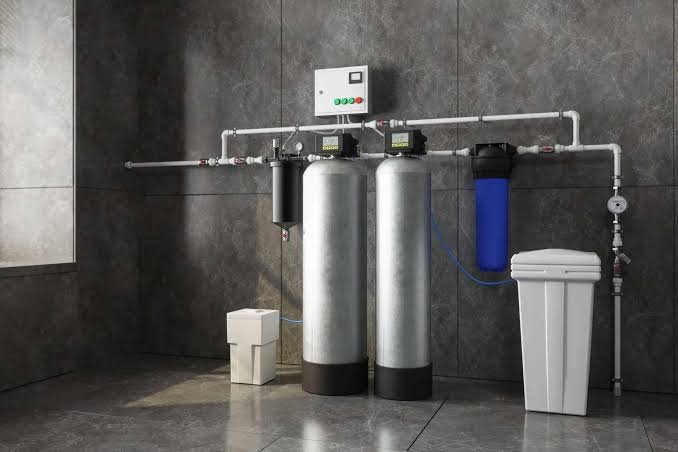
For households with significant hardness, a conventional ion-exchange water softener can reduce calcium and magnesium from the water. Other scale-control technologies may help limit mineral deposits without traditional softening.
The best choice depends on what you actually want to achieve.
If your main concern is appliance protection, the ideal solution may differ from someone primarily concerned about bathing comfort.
Don’t Expect One System to Solve Everything
It’s easy to assume that a water softener will fix every water-quality issue.
It won’t.
Softening addresses hardness. It isn’t designed to remove every contaminant, improve every taste or odor problem, or replace specialized drinking-water treatment.
If your water has iron, sediment, chlorine, or another specific concern, additional treatment may be appropriate. Testing helps determine whether those issues are actually present.
A good water-treatment system is built around evidence, not a long list of features.
Maintenance Is Part of the Solution
Once you install treatment equipment, remember that maintenance matters.
Water softeners may require salt, cleaning, inspections, and periodic adjustments. Scale-control systems and filters have their own service requirements.
Ignoring maintenance can gradually reduce performance. It’s easy to forget equipment that’s tucked away in a garage or utility room, so set reminders and keep replacement dates somewhere accessible.
The goal is simple: make treatment part of your normal home-maintenance routine rather than waiting for something to go wrong.
Know When the Water Is Worth Treating
Hard water can be irritating, but it doesn’t automatically require intervention.
Look at the whole picture. Are mineral deposits damaging fixtures? Are appliances requiring unusually frequent cleaning? Are dishes consistently covered with spots? Does bathing feel noticeably different?
If the answer is yes, testing can tell you whether hardness is behind those problems.
From there, you can make a practical decision about treatment. Maybe a softener makes sense. Maybe scale control is enough. Maybe regular cleaning is all you need.
There’s no universal solution, and that’s actually good news.
The smartest approach is to understand what’s happening before spending money to change it. Once you know your water’s hardness level and how it affects your home, the path forward becomes much clearer.
And perhaps you’ll finally be able to look at that perfectly clean glass and not wonder whether the dishwasher forgot to do its job again.