Water is one of those things you don’t really appreciate until something about it changes. Maybe the tap suddenly has a strange taste. Perhaps the bathtub develops a faint stain, the coffee maker builds up deposits, or a glass of water doesn’t smell quite as fresh as it used to.
Those little signs can make you wonder whether you need a filter.
The answer might be yes. But choosing one isn’t as simple as picking the system with the most features or the highest price. Water varies from one property to another, and different treatment technologies are designed for different problems.
A sensible approach starts with a much less exciting question: What’s actually wrong with the water?
Once you know that, the equipment conversation becomes a lot easier.
Not Every Water Problem Looks the Same
Water can contain minerals, sediment, chlorine, iron, microorganisms, and other substances depending on its source and local conditions. Some characteristics are harmless but affect taste or appearance. Others may require specific treatment.
A city water supply and a private well can have completely different needs. Even two homes on the same street may experience different issues because of plumbing, fixtures, or individual well conditions.
That’s why water quality concerns should be identified before buying treatment equipment.
If the main issue is sediment, a sediment filter may be appropriate. If chlorine taste is the problem, carbon filtration could make more sense. Hard water generally requires a softener rather than a basic drinking-water filter.
The right technology depends on the actual problem.
Start With Testing, Not Guesswork
A glass of water can tell you that something tastes strange. It can’t tell you why.
Water testing can reveal information about hardness, pH, iron, manganese, chlorine, sediment, bacteria, and other characteristics depending on the test.
You don’t necessarily need every possible test. The appropriate analysis depends on the water source and what you’re trying to understand.
For private wells, routine testing can be particularly important because groundwater conditions can vary and the homeowner is responsible for monitoring the private supply.
For municipal water, testing may help investigate a household-specific taste, odor, or plumbing concern.
Either way, data gives you something useful to work with.
Understanding the Main Types of Filtration
There isn’t one universal filter that does everything.
Sediment filters are designed to capture particles such as sand, dirt, rust, and other suspended material.
Carbon filters are commonly used to improve taste and odor and can reduce certain chemicals, depending on the media and system design.
Reverse osmosis systems use a semipermeable membrane to reduce many dissolved substances and are often installed for drinking and cooking water.
Water softeners address hardness minerals such as calcium and magnesium.
UV systems use ultraviolet light for microbial control.
These technologies can sometimes be combined, but each has a particular role.
When comparing water filtration systems, look beyond the number of stages or the size of the equipment. Ask what each stage is designed to do and whether it addresses something actually present in your water.
Whole-House or Under the Sink?
This is one of the most practical decisions you’ll make.
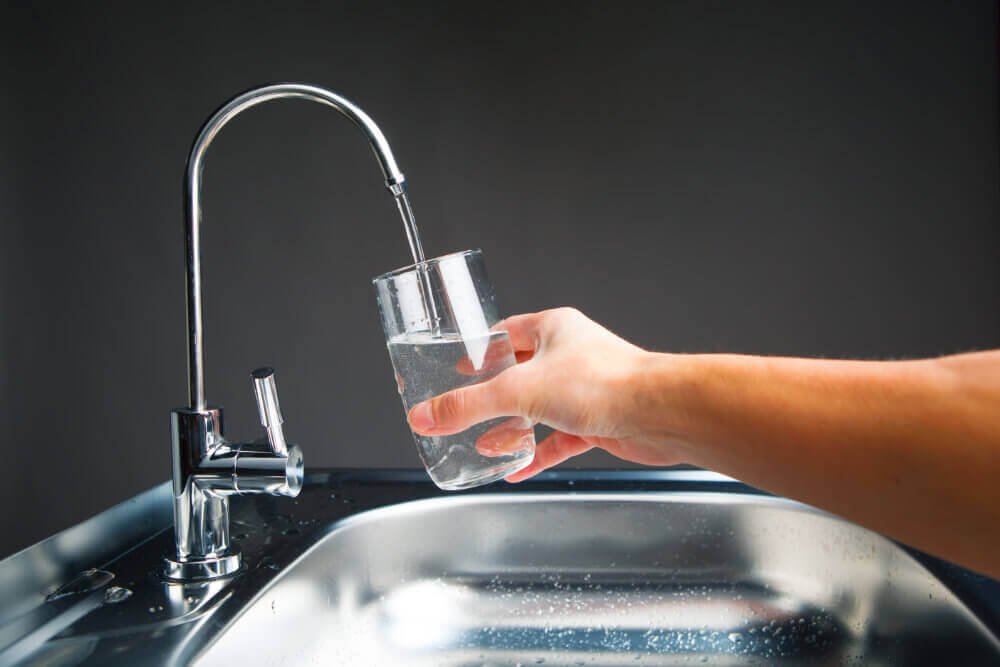
If the main concern is drinking and cooking water, a point-of-use system under the kitchen sink may be enough.
It treats water where you consume it, without requiring the entire house to go through the same treatment process.
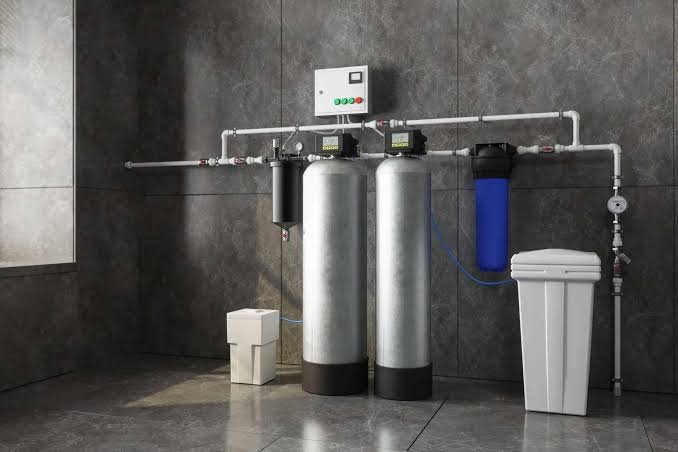
On the other hand, if your concerns affect showers, laundry, appliances, bathrooms, or the plumbing itself, whole-house treatment may make more sense.
For example, hard water isn’t only a drinking-water issue. It can create scale throughout the plumbing and on water-using appliances.
The treatment location should match the problem.
Don’t Assume More Filtration Is Always Better
There’s a strange tendency in water treatment to equate complexity with quality.
A system with seven stages sounds more impressive than one with three. A giant tank looks more serious than a compact unit.
But more equipment isn’t automatically better.
Every additional component adds something else to maintain, replace, or troubleshoot.
If your water only needs sediment filtration and carbon treatment, installing several technologies designed for unrelated problems may not provide much additional value.
A simpler system that is properly matched to the water can be easier to maintain and more cost-effective.
The goal is treatment, not collecting equipment.
Think About Flow and Household Demand
A filter needs to keep up with the amount of water your household uses.
Whole-house systems need to handle peak demand. If several fixtures are operating simultaneously, an undersized filter can restrict flow or create an annoying drop in pressure.
Point-of-use systems have different requirements because they typically serve only one faucet.
Before purchasing, consider how many people live in the home, how many bathrooms you have, typical water use, and when demand is highest.
The right system should fit naturally into the plumbing rather than constantly reminding you that it’s there.
Installation Is Part of the System
Even good equipment can perform poorly if installed incorrectly.
Whole-house treatment may involve cutting into the main water line, creating a drain connection, adding bypass plumbing, and ensuring the equipment has adequate space.
Under-sink systems have their own installation considerations, including faucet connections, tubing, shutoff valves, and sometimes a drain connection for reverse osmosis.
Professional installation can be particularly helpful when the plumbing is older, complicated, or difficult to access.
A leak under the kitchen sink is nobody’s idea of a successful Saturday.
Maintenance Is Not Optional
Filters fill up. Media eventually needs replacement. Components wear out.
It’s easy to forget about maintenance because treatment equipment tends to operate quietly.
But if a filter is overdue for replacement, performance may suffer. Flow can drop, taste can change, and the system may no longer provide the results you expected.
Keep a simple record of replacement dates. Follow manufacturer recommendations and pay attention to changes in water behavior.
A few minutes of maintenance can save a lot of frustration later.
Think About What Clean Water Means to You
For most people, clean water means water that is safe, pleasant to use, and appropriate for its intended purpose.
But that doesn’t necessarily mean every home needs the same level of treatment.
One household may mainly want better-tasting drinking water. Another may need to reduce hardness throughout the house. A private well owner might need treatment for iron or other groundwater characteristics.
Your priorities matter.
The best treatment system is the one that addresses those priorities without adding unnecessary complexity.
Don’t Forget the Cost of Ownership
The purchase price is only one part of the equation.
Think about replacement filters, salt, electricity, wastewater, professional servicing, repairs, and the expected life of major components.
A system that costs less initially may require more frequent replacement. Another may cost more but use fewer consumables or offer easier maintenance.
Ask about these expenses before buying.
It is much better to understand the long-term cost when you’re making the decision than six months after installation.
Choose Based on Evidence, Not Hype
Water treatment marketing can make almost any system sound revolutionary.
Try to look past the buzzwords.
Start with your water source. Test the water. Identify the actual concern. Decide where treatment is needed. Then compare systems based on performance, maintenance, installation, and long-term operating costs.
That’s a much more reliable process than choosing equipment because it has the longest product description.
In the end, good water treatment is surprisingly straightforward when you approach it logically.
You don’t need to treat everything just because you can. You need to treat what needs treatment, with equipment designed for the job.
The best system is the one that quietly does its work every day, fits your home, stays within your budget, and doesn’t create a maintenance headache of its own.
And when you turn on the tap and the water tastes, looks, and behaves the way you expect, that’s when you know you’ve made the right choice.