Most people don’t think about water until it gives them a reason to. A strange taste in the morning coffee, a faint smell from the kitchen tap, or a brownish tinge after the water has been sitting for a while can make you pause.
It’s easy to assume that water should simply look clear and taste neutral. Sometimes it does. Other times, the characteristics of your water tell a more complicated story.
Some changes come from natural minerals in groundwater. Others may be related to municipal disinfection, plumbing, or particles entering the supply. None of these clues should automatically cause alarm, but they are worth understanding.
The good news is that many common water concerns can be identified through testing and addressed with appropriate treatment. The key is avoiding guesswork.
Why Chlorine Can Affect the Drinking Experience
Municipal water systems commonly use disinfectants to control microorganisms and help maintain water safety as water travels through distribution networks. Chlorine is one of the most familiar examples.
While chlorine plays an important role in disinfection, some people notice its taste or smell in tap water. It may be especially obvious when filling a glass, making tea, or brewing coffee.
Activated carbon filtration is often used to reduce chlorine-related taste and odor. The effectiveness depends on the filter’s design, flow rate, contact time, and the concentration of chlorine in the water.
If the only complaint is a noticeable disinfectant taste, a properly selected carbon filter may be enough. There’s no need to install a complicated system simply because the water doesn’t taste exactly the way you’d like.
Sediment Can Come From Several Places
Clear water isn’t guaranteed to remain clear all the way through your home’s plumbing.
Sediment refers to suspended particles that can enter or develop within a water supply. Depending on the source, this might include sand, silt, rust particles, or other small materials.
Private wells can be particularly susceptible to sediment, especially after heavy rainfall, changes in groundwater conditions, or disturbances around the well.
Older plumbing can also contribute particles. If you notice occasional discoloration when a faucet first runs, it may be worth investigating whether the issue originates from the source or the plumbing itself.
Sediment filters can help capture suspended particles, but the correct filter size and design depend on the type and amount of material present.
Not All Contaminants Are Visible
One of the most important things to remember about household water is that appearance isn’t a complete test.
Some contaminants can be present without changing the color, smell, or taste of water. That’s why relying entirely on your senses can create a false sense of certainty.
The term contaminant covers a broad range of substances and organisms. Depending on the water source, concerns can include microorganisms, metals, chemicals, and other unwanted substances.
Not every home has the same risks, either. Municipal supplies and private wells have different considerations, and local environmental conditions can influence groundwater.
Testing is therefore a much more reliable way to understand what’s actually happening.
Water Testing Helps Separate Facts From Assumptions
A water test doesn’t need to become an enormous scientific project.
The appropriate testing depends on your source and concerns. A homeowner dealing with hard water may want hardness and related measurements. Someone noticing staining might investigate iron. Private well owners may have different testing priorities than households on municipal supplies.
Testing can also establish a useful baseline.
If the water changes later, you’ll have something to compare against. That can be especially helpful when an odor, taste, or discoloration appears unexpectedly.
The goal is simple: know what you’re dealing with before selecting treatment equipment.
Carbon Filtration Has Its Place
Activated carbon is popular because it can improve the sensory qualities of drinking water.
Depending on the media and system design, carbon can reduce certain chemicals and organic compounds and help improve unpleasant tastes and odors.
But carbon isn’t a universal filter.
It shouldn’t be assumed to remove every dissolved mineral, metal, microorganism, or other potential concern. If testing identifies a particular substance, choose a treatment technology designed for that substance.
Sometimes a carbon filter is exactly what you need. Sometimes it isn’t.
That’s why understanding the water comes first.
Sediment Filtration Can Protect Other Equipment
A sediment filter doesn’t just make water look cleaner.
By capturing suspended particles before they move farther through the plumbing, it can help reduce the amount of material reaching other treatment equipment.
This can be particularly useful in systems that include multiple filtration stages. Larger particles may be removed first, allowing finer treatment components to focus on their intended jobs.
However, sediment filters can clog. A filter that becomes loaded with material may restrict flow, so regular inspection and replacement are important.
If water pressure suddenly drops, the sediment filter is one of the things worth checking.
What About Reverse Osmosis?
Reverse osmosis is a membrane-based treatment process commonly used for drinking water.
Water is pushed through a semipermeable membrane under pressure, reducing many dissolved substances. Residential systems often combine reverse osmosis with sediment and carbon prefilters.
These systems can be useful when homeowners want more extensive treatment at a drinking-water faucet.
However, reverse osmosis isn’t necessarily a whole-house solution. It also requires maintenance, and some systems produce wastewater during operation.
As with any treatment technology, the question isn’t whether reverse osmosis is “good.” The question is whether it fits your water and your goals.
Private Wells Deserve Extra Attention
A private well is essentially your own small water supply system.
That can be convenient, but it also means the homeowner has greater responsibility for monitoring the water.
Groundwater chemistry can change. Heavy rainfall, nearby land activity, well condition, or other environmental factors may influence water quality.
Regular testing is one of the simplest ways to stay informed.
If a well suddenly develops a new odor, taste, discoloration, or other noticeable change, don’t simply assume the treatment equipment will handle it. Check the source water.
Plumbing Can Be Part of the Problem
Sometimes the water leaving the treatment system isn’t the same water reaching the faucet.
Old plumbing, corrosion, fixtures, and storage tanks can influence what happens between the source and the point of use.
If only one faucet has an unusual taste or discoloration, that may point toward a localized plumbing issue rather than a whole-house water problem.
That distinction can save money. There’s no reason to install a large treatment system if the issue is coming from one deteriorating fixture.
Choose Treatment Based on the Actual Problem
Water treatment works best when it is specific.
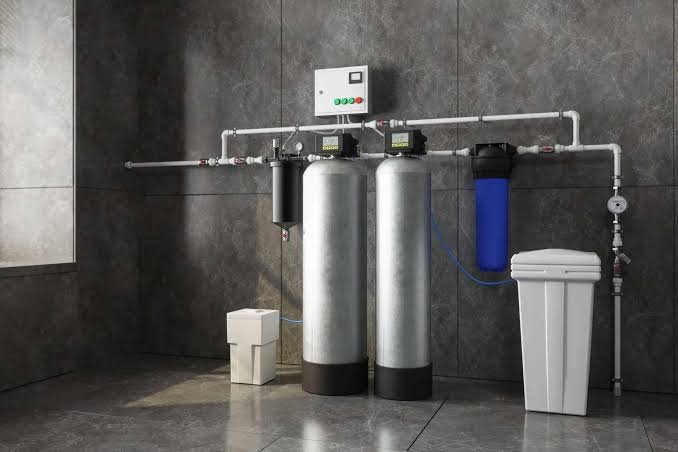
Carbon can address certain taste and odor concerns. Sediment filters capture suspended particles. Softening equipment addresses hardness. Reverse osmosis can reduce many dissolved substances. Other problems may require specialized technologies.
There is no universal filter that does everything equally well.
Be skeptical of products that make broad claims without explaining exactly what they reduce and under what conditions.
Look for clear performance information and appropriate certifications when relevant.
Maintenance Is Part of Water Quality
Even the right treatment system can lose effectiveness when maintenance is ignored.
Filters need replacement. Membranes eventually need service. Treatment media may require attention. Connections and housings should be inspected for leaks.
Keep track of maintenance dates and pay attention to changes in water pressure, taste, odor, or appearance.
If something suddenly changes, investigate it rather than assuming the equipment is working exactly as it did on installation day.
Better Water Starts With Better Information
Water doesn’t have to be mysterious.
A strange taste doesn’t automatically mean something dangerous is happening. A little sediment doesn’t necessarily indicate a major system failure. And clear water isn’t proof that everything is perfect.
The sensible approach is somewhere in the middle.
Pay attention to changes. Test when appropriate. Understand the source. Match treatment technology to the actual problem, and keep that equipment maintained.
Once you know what’s in your water and why it’s there, choosing the right solution becomes much easier.
You don’t have to chase every new filtration trend. Sometimes the smartest water-treatment decision is simply the one based on good information, realistic expectations, and what your household genuinely needs.