You can learn a surprising amount about a home by paying attention to its water. A faucet that leaves white marks behind. A shower that never seems to rinse quite clean. A glass of water with a faint metallic taste. None of these signs necessarily means there is a serious problem, but they can be reasons to take a closer look.
Water quality isn’t always obvious. Many substances that affect water are invisible, odorless, and tasteless. That’s why testing can be more useful than simply judging water by appearance. Once you know what is actually present, choosing a treatment system becomes a much more sensible process.
And, frankly, it can save money. There’s little point in buying equipment designed to remove something that isn’t actually in your water.
Start With the Source
The source of your water has a major influence on what you may find in a test. Municipal water supplies are treated and monitored, but the water still travels through distribution pipes before reaching a home. Private wells are influenced by local geology, groundwater conditions, nearby land use, and changes in the surrounding environment.
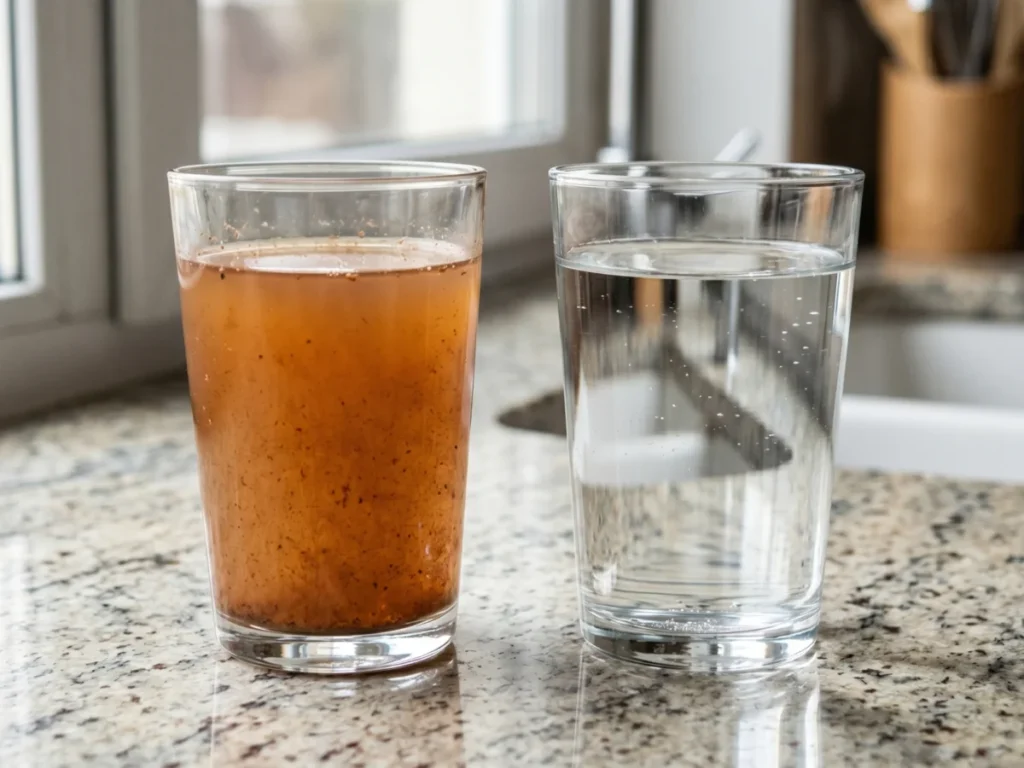
A homeowner using well water should be particularly mindful of regular testing. Clear water isn’t proof of perfect water quality. Some contaminants don’t change the color, smell, or taste at all.
Even homes connected to a public supply can experience localized issues. Older plumbing, water heaters, and fixtures may affect water after it enters the property.
Dissolved Solids Are More Than Just a Number
One measurement commonly included in water testing is total dissolved solids, or TDS. It represents the concentration of various dissolved substances in water, including minerals and salts.
High dissolved solids levels can affect taste and may indicate that water contains substantial amounts of minerals or other dissolved material. But TDS by itself doesn’t tell you whether water is safe or unsafe. It is a broad measurement rather than a list of individual contaminants.
For example, water can have a relatively high TDS because of harmless minerals. Conversely, a specific contaminant could be present even when the overall TDS level doesn’t look particularly unusual.
That’s why TDS is best understood alongside other test results rather than treated as a standalone health assessment.
Why Lead Gets So Much Attention
Among water contaminants, lead deserves particular caution because exposure can be harmful, especially for children. Lead can enter drinking water through certain plumbing materials, service lines, fixtures, and fittings.
One frustrating thing about lead is that you generally can’t see, smell, or taste it. A faucet can produce crystal-clear water while a plumbing-related issue remains hidden.
If there is reason to suspect lead in a property, testing and professional guidance are important. Depending on the situation, solutions may involve replacing plumbing components, using certified point-of-use treatment, or addressing the source directly.
Running water for a short period may sometimes reduce exposure to water that has been sitting in pipes, but this should not be treated as a substitute for identifying and correcting a lead source.
Chlorine Has a Purpose
Chlorine often gets a bad reputation because people associate its smell with swimming pools. In municipal water systems, however, disinfectants such as chlorine are commonly used to control harmful microorganisms as water travels through the distribution network.
The amount present in treated drinking water is regulated, but some people dislike the taste or smell.
A noticeable chlorine taste doesn’t automatically mean something is wrong with the water. In many cases, it is simply a characteristic of the disinfection process.
Activated carbon filtration can often reduce chlorine taste and odor. If that is your main concern, a properly selected carbon filter may be enough. There may be no reason to install a much more elaborate treatment system.
Again, the goal should be solving the actual problem.
Hard Water Is a Different Matter
Hard water is mainly associated with calcium and magnesium. It is usually more of a household performance issue than a drinking-water safety issue.
You may notice white deposits around fixtures, soap that doesn’t lather easily, or scale forming inside water heaters and appliances.
A water softener can reduce hardness, but it won’t remove every other contaminant. This is an important distinction when planning treatment.
If a water test reveals both hardness and another contaminant, the property may need multiple treatment stages. That’s not necessarily excessive—it simply reflects the fact that different technologies are designed for different jobs.
Testing Beats Guessing
There is a natural tendency to look for visible clues. If the water looks clear, we assume it’s fine. If it smells strange, we assume something must be wrong.
Neither approach tells the complete story.
Testing provides measurable information. Depending on the water source and concerns involved, testing may include hardness, pH, iron, manganese, bacteria, nitrate, metals, disinfectants, and other parameters.
A good test should be selected based on the source and potential risks rather than choosing a random package simply because it contains dozens of measurements.
More data isn’t always better data. Relevant data is.
What Happens After the Test?
The results should lead to decisions, not just a sheet of numbers sitting in a drawer.
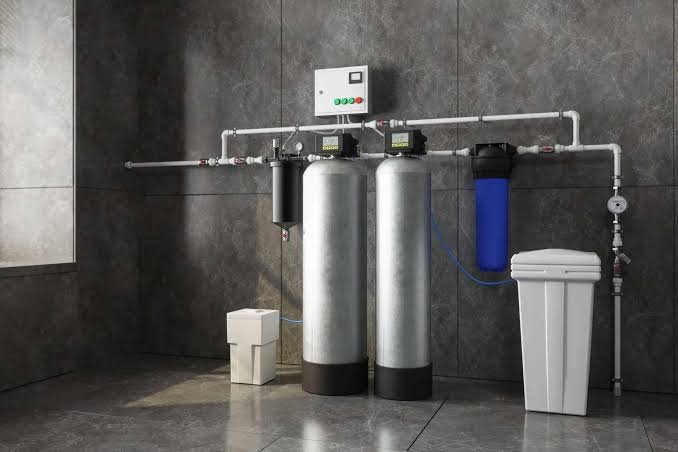
If the test shows elevated hardness, a softener may be appropriate. If sediment is present, filtration may help. If taste and odor are the primary concerns, carbon treatment could be considered.
More serious contaminants require more targeted solutions. Treatment technology should be matched to the contaminant, concentration, flow rate, and intended use.
This is where professional guidance can be valuable. Some systems require pretreatment, proper sizing, regular maintenance, or specific installation conditions.
Don’t Forget About Maintenance
A water-treatment system doesn’t remain effective simply because it was effective on installation day.
Filters become saturated. Media can lose capacity. Membranes need replacement. Softening systems require regeneration and salt. Disinfection equipment has its own maintenance requirements.
Homeowners should know what ongoing care is expected before buying equipment. Ask how often components need replacing and whether replacement parts are readily available.
Ignoring maintenance can turn a good treatment system into an expensive piece of equipment that isn’t doing much.
Pay Attention to Changes
A sudden change in water taste, odor, color, or pressure is worth noticing.
Sometimes the cause is harmless, such as temporary work on a municipal water system. Other times, it may indicate a plumbing problem or a change in the source water.
If the change persists, testing is a reasonable next step. For private wells, testing after flooding or other significant environmental events can also be prudent.
Water quality isn’t necessarily static. Conditions can change, and treatment plans may need to change with them.
Make Water Decisions With Evidence
The biggest lesson is simple: don’t choose water treatment based entirely on what a product advertisement promises.
Start with the source. Test for relevant concerns. Understand what each treatment technology is actually designed to remove. Consider the home’s water usage and the system’s maintenance requirements.
You don’t need to become a water chemist. You just need enough information to ask good questions and make a sensible decision.
After all, water is used every day—for drinking, cooking, bathing, cleaning, and much more. Taking the time to understand it isn’t overthinking. It’s simply good home ownership.
And sometimes, the most reassuring thing you can discover about your water is not that it looks clean, but that you’ve taken the time to find out what’s really in it.