Water usually gives us very few reasons to think about it. It comes out of the tap, looks clear, and gets used for everything from making coffee to washing dishes. Because it’s such an ordinary part of daily life, it’s easy to assume that clear water automatically means good water.
But water can be a little more complicated than that.
Some quality issues are obvious, while others quietly affect fixtures, appliances, taste, or even how comfortable the water feels during everyday use. You might notice spots on the shower door or an odd taste in your morning glass, yet not realize what’s behind it.
Understanding the common things found in household water is a useful place to start. Once you know what you’re dealing with, choosing an appropriate treatment approach becomes much less of a guessing game.
The Minerals You Don’t Always See
Many water-quality conversations begin with minerals. Calcium and magnesium, for example, are naturally occurring substances commonly associated with hard water.
When water contains significant amounts of these hard minerals, the effects can become noticeable around the home. White deposits may form around faucets, showerheads, and sinks. Soap may seem less effective, and glasses can come out of the dishwasher with cloudy spots.
Over time, mineral scale can also accumulate inside plumbing and water-using appliances.
None of this necessarily means the water is unsafe to drink. Hardness is primarily a water-quality and household-maintenance concern. Still, if you’re constantly scrubbing deposits from fixtures, it’s understandable to want a better solution.
Why Water Can Smell or Taste Different
Taste and odor are among the easiest water-quality changes to notice.
One common example is chlorine, which is widely used in municipal water treatment to help control harmful microorganisms. At appropriate levels, its presence serves an important public-health purpose. However, some people dislike the taste or smell it can leave behind.
A glass of water shouldn’t taste like a swimming pool, at least that’s what most homeowners would prefer.
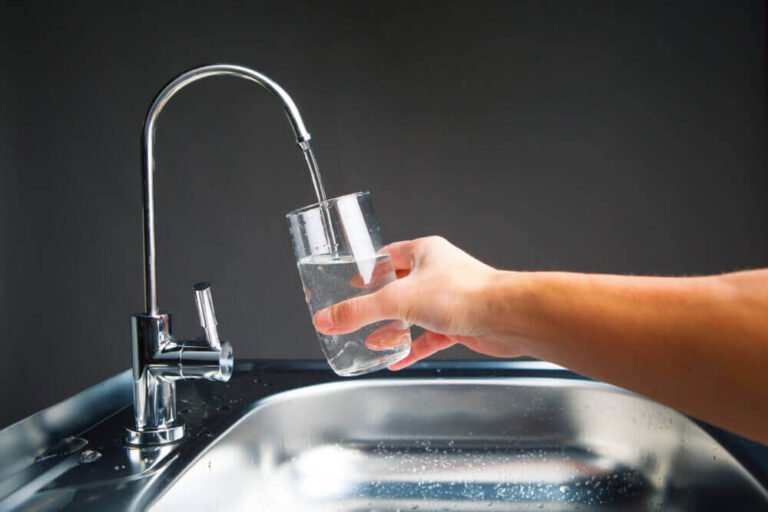
Activated carbon filtration is commonly used to improve chlorine taste and odor. Depending on the system and water conditions, filtration can make drinking water noticeably more pleasant without requiring treatment for the entire house.
What About Lead?
Few water-quality topics deserve more careful attention than lead.
Lead can enter drinking water through certain plumbing materials, fixtures, or service lines, particularly in older infrastructure. The important thing is that you generally can’t identify lead by looking at or tasting the water.
That’s why testing matters.
If you’re concerned about lead, especially in an older property, use a testing method appropriate for your local water conditions. If results indicate a concern, treatment should be selected specifically for lead reduction and installed according to the manufacturer’s requirements.
It’s also worth remembering that boiling water does not remove lead. In situations where lead is suspected, relying on appearance, taste, or simple kitchen habits isn’t enough.
Clear Water Isn’t Always the Whole Story
One of the biggest misconceptions about household water is that visible clarity tells you everything.
It doesn’t.
Water can look perfectly clean while containing dissolved minerals or other substances that aren’t visible. Conversely, cloudy water can sometimes be caused by harmless air bubbles rather than contamination.
This is one reason a water test can be more informative than simply looking at a glass under the kitchen light.
Testing provides a starting point. It helps separate assumptions from actual information, which is particularly useful when you’re considering an investment in treatment equipment.
Different Problems Need Different Solutions
A common mistake is assuming that one treatment method can handle every water issue.
That’s rarely how it works.
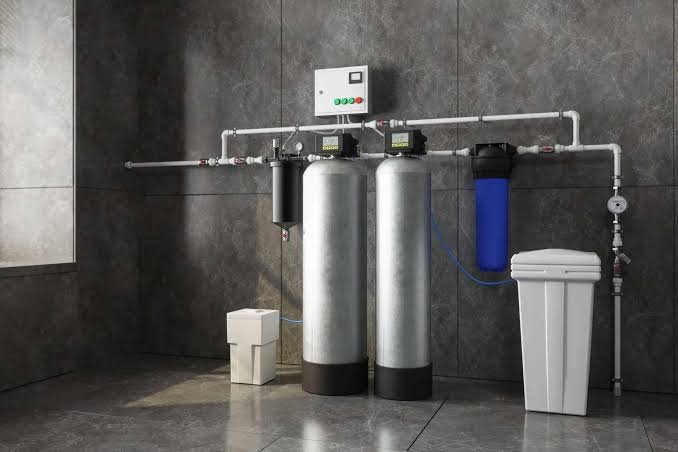
Water softeners are primarily designed to address hardness. Carbon filtration can improve taste and odor and reduce certain substances. Sediment filters can capture suspended particles. Reverse osmosis systems can provide more extensive treatment for drinking water, depending on the contaminants involved.
The technology should match the problem.
If your main issue is mineral scale, buying an elaborate drinking-water system may not solve the underlying household problem. Likewise, if your concern is a specific contaminant, simply installing a softener isn’t necessarily the answer.
It sounds obvious, but this distinction can save homeowners a fair amount of money.
Your Water Source Matters
Where your water comes from can influence what you should test for.
Municipal water supplies are treated and monitored, although local water characteristics can still vary. Private wells are different. Their quality can be influenced by groundwater conditions, surrounding land use, geology, and changes in the well itself.
Well owners should follow appropriate local testing recommendations rather than assuming that yesterday’s results will always represent today’s water.
Seasonal changes can matter, too. Heavy rainfall, flooding, or other environmental changes may affect private wells in some areas.
Pay Attention to the Small Clues
Sometimes your house tells you something is happening before you think to test the water.
Maybe towels feel different after washing. Maybe the showerhead develops a chalky crust. Perhaps your kettle collects scale faster than it used to.
These clues don’t provide a diagnosis, but they’re worth noticing.
The same goes for unusual taste, smell, staining, or changes in water appearance. Instead of immediately blaming the plumbing or replacing an appliance, consider whether the water itself could be contributing to the problem.
A little curiosity can go a long way.
Treatment Should Fit Your Actual Routine
Water treatment isn’t only about chemistry. It’s also about how people live.
A household that drinks mostly tap water may place a higher priority on taste and drinking-water treatment. A large family might be more concerned about whole-home hardness, showers, laundry, and appliance protection.
Someone with a private well may have an entirely different list of priorities.
Think about where you notice problems and when they happen. The answers can help determine whether you need treatment for the whole house, one fixture, or a combination of approaches.
Don’t Forget About Maintenance
Even a well-designed treatment system needs some attention.
Filters eventually need replacement. Components should be checked periodically, and systems that use consumable materials need those supplies kept at appropriate levels.
Ignoring maintenance can reduce performance and make a good system seem ineffective.
A simple maintenance schedule is usually enough. Mark filter changes on a calendar, keep track of service visits, and follow the manufacturer’s recommendations. It’s not glamorous, but it’s one of those little household jobs that pays off.
Better Water Begins With Better Information
There’s no need to become a water-quality scientist just to make a smart decision about your home.
Start with what you notice. Look at your water source. Consider testing if there’s a specific concern. Then choose treatment based on the actual characteristics of your water rather than a product label or a neighbor’s recommendation.
The right solution may be surprisingly simple.
And sometimes, the best improvement isn’t about changing everything. It’s about understanding one problem clearly and addressing it properly. Once you know what’s happening in your water, the path forward becomes much easier to see — and everyday life at the tap can become a little simpler, too.