Pouring a glass of water is such an ordinary part of the day that most of us don’t stop to wonder what is actually in it. The water looks clear, smells normal, and comes from a tap we’ve used hundreds of times. So why think about it?
Because clear water isn’t necessarily the same thing as pure water.
Water naturally picks up substances as it moves through soil, rock, pipes, treatment facilities and household plumbing. Some are harmless minerals. Others can affect taste or odor. Certain contaminants may also require closer attention, particularly when they are present above recommended levels.
This doesn’t mean you should panic about your tap water. Far from it. It means understanding your water can help you make sensible decisions about filtration and treatment instead of buying equipment based on guesswork.
Water Can Carry More Than You See
One of the tricky things about water quality is that many substances are invisible.
A glass can look perfectly clear while containing dissolved minerals and salts. Depending on their concentration, these substances can influence taste, leave deposits, or contribute to higher total dissolved solids.
Calcium and magnesium, for example, are common naturally occurring minerals associated with water hardness. Sodium and other dissolved substances can also be present depending on the source and treatment history of the water.
Not all dissolved substances are a problem. Some minerals are naturally present and expected. The important question is whether the water’s chemistry matches your household’s needs and whether any specific contaminants are present at concerning concentrations.
Testing gives you a much better starting point than appearance alone.
Where Water Gets Its Characteristics
Your water source has a major influence on its chemistry.
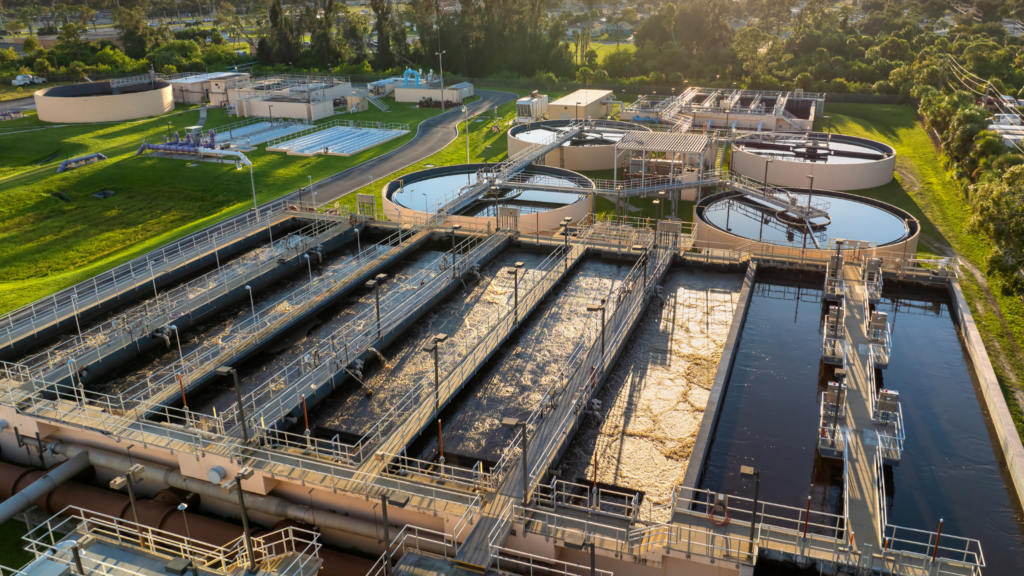
Municipal water typically undergoes treatment before entering the distribution system. Private well water, on the other hand, can vary considerably based on local geology, groundwater conditions and the construction and maintenance of the well.
Even within the same community, two properties may have different experiences because of plumbing materials, building age or other local factors.
That’s why generic advice can only go so far. A treatment system that works beautifully for one household might be unnecessary or poorly suited to another.
If you’re considering filtration, find out what is actually in your water first.
Taste and Odor Can Tell You Something
Sometimes your senses provide the first clue that something has changed.
A noticeable chlorine taste and odor is a common complaint among people using treated municipal water. Chlorine and related disinfectants are used to control microorganisms in public water supplies, and a residual disinfectant may remain in the water as it travels through the distribution system.
For many people, the issue is primarily taste and smell rather than an indication that the water is unsafe.
Activated carbon filtration is commonly used to reduce chlorine and improve taste and odor. The effectiveness depends on the filter design, contact time, flow rate and maintenance.
If the taste suddenly changes, though, don’t automatically assume chlorine is responsible. Changes in plumbing, source water or other conditions can have different causes.
Some Contaminants Deserve More Attention
The phrase “contaminants” covers a very broad range of substances.
Some may be present naturally. Others can enter water through industrial activity, agriculture, old infrastructure or plumbing materials. Their significance depends on the contaminant, concentration and exposure.
Concerns about heavy metals and trace contaminants are one reason water testing can be valuable, particularly for homes with older plumbing or private wells.
Lead, arsenic and other substances require careful attention because you can’t reliably identify them by taste, smell or appearance. A proper laboratory test is the sensible route when there’s a specific concern.
Don’t rely on a basic taste-and-odor filter simply because it makes the water taste better. Improving taste doesn’t necessarily mean you’ve addressed every contaminant.
Filtration Is Not One-Size-Fits-All
There are many types of filtration technology, and each has its own strengths.
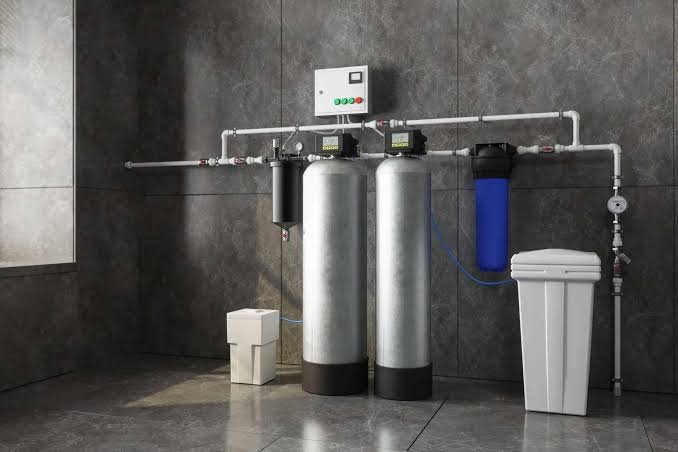
Sediment filters are designed to capture suspended particles. Carbon filters can reduce chlorine and certain organic compounds. Reverse osmosis systems can reduce many dissolved substances. Specialty media may be used for particular water-quality conditions.
The important point is that treatment should be matched to the problem.
A filter marketed as “multi-stage” may sound impressive, but the number of stages doesn’t automatically tell you what contaminants the system reduces. Look at actual performance data and certifications where applicable.
In other words, don’t count the boxes. Look at what the equipment is designed to do.
Reverse Osmosis Has a Different Role
Reverse osmosis is often considered when the concern involves dissolved substances rather than visible sediment.
An RO membrane uses pressure to move water through a semipermeable barrier, restricting many dissolved materials. Residential systems often combine the membrane with prefilters and a post-filter.
This can make RO useful for drinking and cooking water when testing shows that additional reduction of certain dissolved substances is appropriate.
It isn’t necessarily the best choice for every household, though. RO systems require maintenance, produce some reject water, and may need adequate water pressure to operate effectively.
Like any treatment technology, its value depends on the actual water problem.
Don’t Forget About Hard Water
Hard water is another common issue.
Calcium and magnesium can contribute to scale on faucets, showerheads and appliances. A conventional water softener can reduce these hardness minerals through ion exchange.
This is different from simply improving taste.
A homeowner might install a carbon filter because the water tastes better afterward, while still having significant hardness throughout the plumbing system. Another household might need a softener for scale control but not need extensive drinking-water treatment.
Knowing the difference helps prevent overcomplicating your setup.
Maintenance Makes a Bigger Difference Than People Expect
Even the best filtration technology can perform poorly when maintenance is ignored.
Filters eventually become loaded with the substances they were designed to capture. Flow can decrease, taste can change, and treatment effectiveness may decline.
Replacement schedules vary by system and water conditions. Don’t blindly follow a generic internet recommendation if the manufacturer provides a specific schedule.
Also, don’t wait until water tastes terrible before replacing a filter. By then, the equipment may have been operating below its intended performance for some time.
A simple maintenance calendar can keep things on track.
Testing Should Come Before Shopping
It’s easy to get caught up in product comparisons. One system has five stages. Another has seven. One advertises a huge contaminant list. Another promises exceptional taste.
But none of that matters if you don’t know what your water actually needs.
Start with a reliable water test. If you use a private well, regular testing is especially important because water conditions can change.
Once you understand the results, you can compare treatment technologies with a clear purpose.
Better Water Doesn’t Need to Mean More Equipment
There is a temptation to treat everything just because modern systems make it possible.
That’s not always necessary.
The best treatment setup is usually the one that addresses identified concerns without adding unnecessary equipment, expense or maintenance.
Maybe you need a simple carbon filter. Perhaps your home would benefit from a softener. In another situation, reverse osmosis might make sense for drinking water.
There isn’t one universal answer.
Start With Curiosity, Not Fear
Water treatment should be approached thoughtfully. You don’t need to assume your water is dangerous simply because someone is selling a filter. At the same time, there’s value in understanding what’s coming through your tap.
Test when appropriate. Pay attention to changes in taste, odor and appearance. Learn what different technologies actually do, and choose equipment based on measurable needs.
The goal isn’t to create water that has nothing in it whatsoever. It’s to have water that’s appropriate for your household, treated for the concerns that genuinely matter.
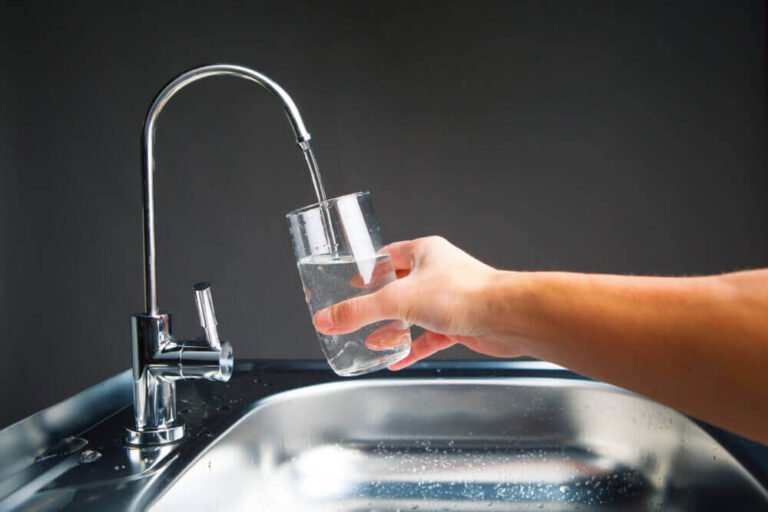
And once you’ve found that balance, there’s something satisfying about the simplicity of it. Turn on the tap, fill the glass, and get on with your day.