Water is something most people use without giving it much thought. We turn on the tap, fill a glass, wash vegetables, take a shower, and get on with the day. But when water starts leaving stains, carrying an unpleasant smell, tasting strange, or damaging plumbing fixtures, it becomes clear that water quality matters more than we often realize.
The good news is that water treatment is not a one-size-fits-all process. Different water problems require different solutions, and the right system depends on what is actually present in the water. Understanding the main treatment methods can help homeowners, businesses, and property managers make more informed decisions instead of spending money on equipment that doesn’t address the real issue.
Why Water Treatment Requires a Proper Assessment
Water may look clear and still contain substances that affect taste, odor, plumbing, appliances, or overall usability. Municipal water supplies are treated before reaching homes, while private wells can contain naturally occurring minerals, sediment, iron, sulfur, or other contaminants.
Even within the same neighborhood, water quality can vary. One property may struggle with hard water, while another experiences sediment or chlorine-related taste and odor. That’s why a water test should usually come before choosing a treatment system.
A professional assessment can identify the specific concerns in the water and help determine whether filtration, chemical treatment, softening, or a combination of methods is appropriate. Without testing, it’s easy to choose a system based on assumptions rather than actual needs.
Removing Sediment and Improving Taste
One of the most common water treatment concerns is the presence of suspended particles. Sand, dirt, rust, silt, and other small materials can enter water through aging pipes, private wells, or changes in the water supply. These particles may cause cloudy water, visible deposits, clogged fixtures, and premature wear on appliances.
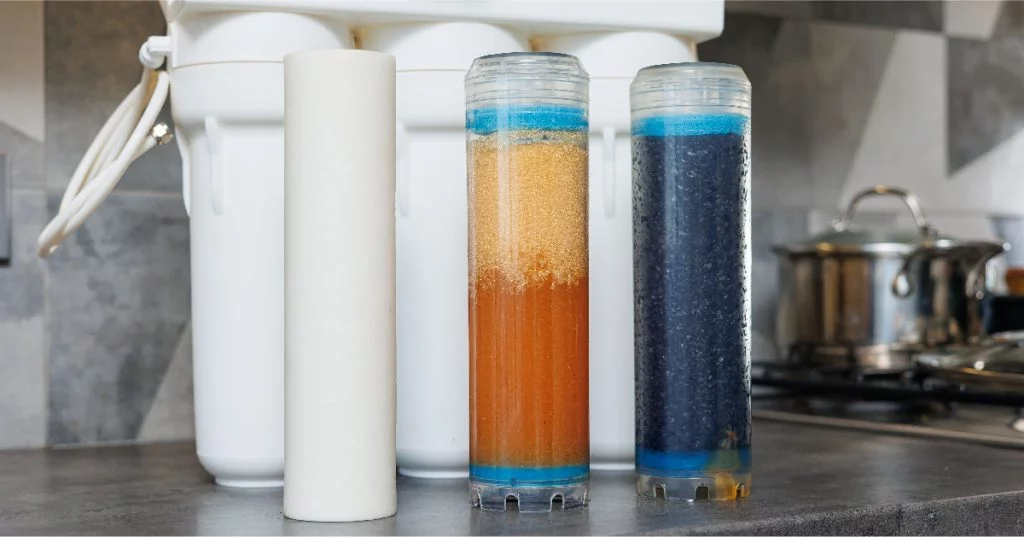
This is where sediment & carbon filtration can be especially useful. Sediment filters are designed to capture physical particles, while carbon filters help reduce chlorine, unpleasant tastes, and certain odors. Together, they can improve the overall appearance and sensory quality of water throughout a property.
However, carbon filtration does have limits. It is not designed to solve every water problem, and the filter media must be replaced according to usage and water conditions. A neglected filter can become less effective and may even create maintenance concerns. Regular replacement is a small but important part of keeping the system working properly.
Managing Hardness and Dissolved Minerals
Hard water is another frequent concern, particularly in areas where groundwater contains elevated levels of calcium and magnesium. Although hard water is not usually considered a direct health threat, it can create plenty of practical problems.
Soap may fail to lather properly, glassware can develop cloudy spots, and mineral scale may build up inside water heaters, dishwashers, showerheads, and pipes. Over time, this buildup can reduce efficiency and increase maintenance costs.
Water softeners are commonly used to address hardness. They work by exchanging calcium and magnesium ions with sodium or potassium ions. The system must be sized correctly for the household or facility, and it requires periodic regeneration and replenishment of salt or another regenerating material.
For homes with significant mineral concerns, anion & cation exchange may also be part of a more advanced treatment strategy. These exchange processes use specialized resin media to target particular dissolved substances. Cation exchange is often associated with water softening, while anion exchange can be used for certain negatively charged contaminants. The correct approach depends on the chemistry of the water and the treatment goals.
Balancing Water Chemistry
Not every water issue involves particles or hardness. Some properties experience water with an unsuitable pH, excessive acidity, or chemical characteristics that can affect plumbing and treatment performance.
Water with a low pH may be corrosive to metal pipes and fixtures. It can contribute to metallic tastes, staining, and the gradual deterioration of plumbing components. On the other hand, water chemistry that is too alkaline may create scaling or other operational challenges.
A treatment professional may recommend neutralization or chemical adjustment after reviewing test results. In certain applications, ph adjustment & chlorine injection can be used as part of a carefully designed treatment process. pH adjustment helps bring water chemistry into a more suitable range, while chlorine injection may assist with disinfection, oxidation, or the control of specific water quality concerns.
These systems require careful calibration. Chemical treatment should never be installed casually or adjusted without understanding the water chemistry. Incorrect dosing can create new problems rather than solving existing ones, which is why professional setup and routine monitoring are important.
Why Combined Treatment Systems Are Often Necessary
Water quality problems rarely follow neat categories. A property may have sediment, hard water, iron, unpleasant odors, and chlorine taste at the same time. In such cases, a single filter may not be enough.
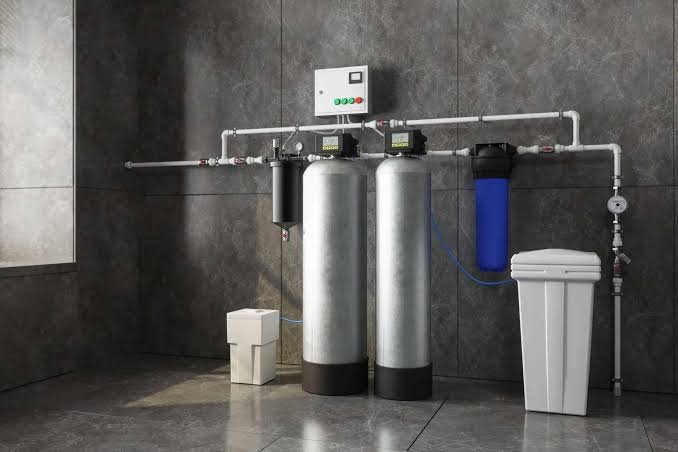
A complete treatment setup might include a sediment pre-filter, carbon filtration, a water softener, an iron removal system, ultraviolet treatment, reverse osmosis, or chemical injection equipment. Each component should have a clear purpose and be placed in the correct order.
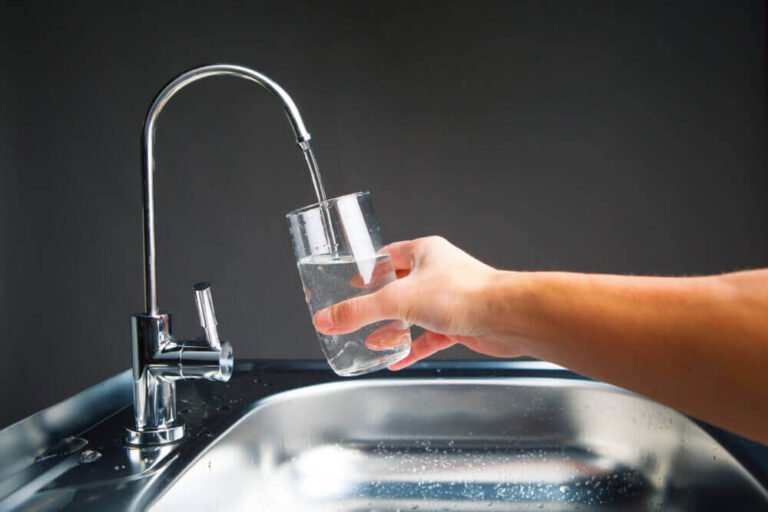
For example, removing sediment before water reaches a carbon filter can protect the carbon media from becoming clogged too quickly. A softener may be installed after certain filtration stages, while reverse osmosis is often used at a specific drinking-water tap rather than treating every gallon used in the home.
The goal is not to install the largest or most complicated system available. It is to create a balanced setup that treats the actual water problems efficiently and economically.
Maintenance Makes the Difference
Even a high-quality water treatment system needs attention. Filters need replacement, softeners require regeneration materials, chemical tanks must be checked, and control valves may need inspection. Over time, resin media and other components can lose effectiveness.
Ignoring maintenance can lead to reduced water quality, higher operating costs, and unexpected repairs. A simple service schedule can prevent many of these issues. Homeowners should know when filters were last changed, how often the softener regenerates, and whether any warning signs have appeared.
Common signs of a problem include changes in taste or odor, reduced water pressure, renewed staining, unusual noises, or visible leaks. Addressing these symptoms early is usually easier than waiting until the system stops working completely.
Choosing the Right Water Treatment Professional
When comparing water treatment providers, look beyond the equipment brand or advertised price. A reliable company should begin with testing, explain the findings clearly, and recommend equipment based on the property’s actual requirements.
Ask about installation, warranties, replacement filters, maintenance plans, and future service costs. It is also worth confirming whether the provider has experience handling the specific issue affecting your water. A system designed for hard water may not be suitable for iron, bacteria, acidity, or chemical contamination without additional treatment stages.
Good water treatment is about more than buying equipment. It is about understanding the water, selecting the right technology, and maintaining the system over time.
A Smarter Approach to Better Water
Clean, dependable water supports everyday comfort, protects plumbing, and can make a noticeable difference in how a home or business operates. But the best results come from matching the treatment method to the problem rather than relying on guesswork.
Whether the concern involves sediment, dissolved minerals, hardness, pH, chlorine, or a combination of factors, testing is the sensible starting point. With the right assessment, properly selected equipment, and consistent maintenance, water treatment becomes a practical long-term investment—not just another household expense.