Most people assume their drinking water is safe because it looks clear, smells normal, and comes directly from a tap. But water quality isn’t always something the eye can judge. Certain substances can be present in water without changing its color, taste, or appearance. That’s why understanding common water contaminants is an important part of protecting your household.
Among the substances often discussed in water-quality conversations are PFAS, lead, and fluoride. Each has a different origin, behaves differently in water, and may require a different treatment approach. Knowing what they are—and how to find out whether they are present—can help you make more informed decisions about filtration without relying on guesswork.
Why Water Testing Matters
Before buying a filtration system, it helps to understand the water entering your home. Water quality can vary depending on whether your supply comes from a municipal treatment facility, a private well, or another source. Even within the same city, older plumbing and local infrastructure can create differences between neighborhoods or individual properties.
A water test can identify substances that basic filters may not address. It can also prevent unnecessary spending. For example, a household concerned about hard water may need a softener, while another dealing with a specific dissolved contaminant may require a specialized filtration system.
Testing is especially useful when moving into an older home, noticing a change in taste or odor, using well water, or receiving a local water-quality notice.
What Are PFAS?
Per- and polyfluoroalkyl substances, commonly known as PFAS, are a large group of human-made chemicals that have been used in various industrial and consumer products. They have appeared in applications involving stain resistance, water resistance, grease resistance, and certain manufacturing processes.
PFAS are sometimes called “forever chemicals” because many of them break down very slowly in the environment. They can move through soil and water, potentially reaching drinking-water sources in areas affected by industrial activity, firefighting-foam use, landfills, or other sources.
The term pfas covers many different compounds, and not every PFAS behaves exactly the same way. That distinction matters because treatment performance can vary depending on the specific chemical, its concentration, and the filtration technology being used.
How PFAS Can Enter Drinking Water
PFAS contamination is often connected to industrial sites, airports, military facilities, wastewater discharge, landfills, and areas where certain firefighting foams have been used. However, the presence and level of PFAS depend heavily on local conditions.
Public water systems may monitor for certain PFAS compounds under applicable regulations, but testing schedules and reporting requirements can change. Private well owners may need to arrange testing themselves, especially if their property is near a potential source of contamination.
If PFAS is a concern, don’t rely on a standard water-quality test that checks only pH, hardness, or bacteria. Ask specifically for PFAS testing through a qualified laboratory.
Understanding Lead in Water
Lead is a metal that can enter drinking water through plumbing materials, service lines, faucets, fittings, and solder. It usually isn’t naturally present in treated drinking water at the point of distribution. Instead, it can enter water as it travels through older or deteriorating plumbing.
Lead is particularly concerning because it can be harmful even when water appears completely normal. It has no reliable taste, smell, or visible warning sign. Homes built many decades ago may deserve closer attention, especially if the plumbing system has not been inspected or replaced.
One practical point is worth remembering: boiling water does not remove lead. In fact, boiling can increase the concentration of certain contaminants as water evaporates. If lead is suspected, use a filter specifically certified for lead reduction and consider having the plumbing or service line assessed.
Ways to Reduce Lead Exposure
If your water may contain lead, there are several sensible steps you can take while investigating the source. Use cold tap water for drinking and cooking, because hot water may dissolve lead more quickly from plumbing materials. Let water run for a short period after it has been sitting in pipes, particularly first thing in the morning.
Cleaning faucet aerators can also help because particles may collect inside them. However, these steps are not a substitute for testing or replacing contaminated plumbing.
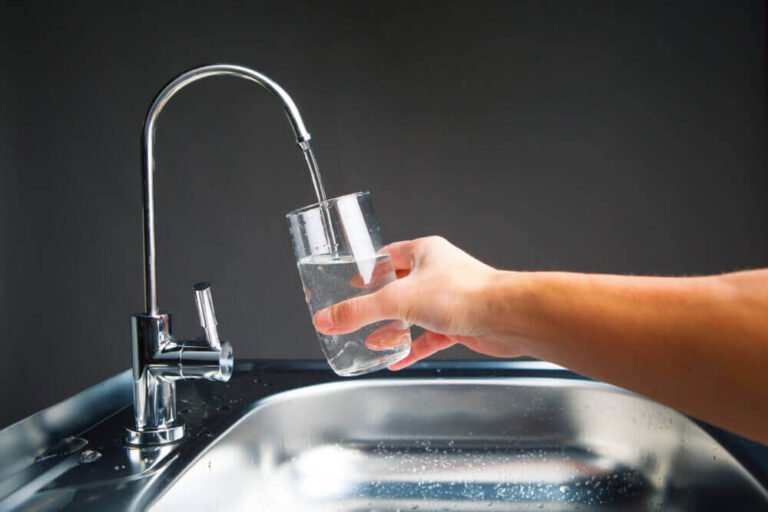
A certified point-of-use filter can reduce lead at the kitchen tap, but it must be maintained properly. Check the product label carefully and confirm that it is certified for lead reduction rather than assuming that every carbon filter offers the same protection.
What Is Fluoride?
Fluoride is a naturally occurring mineral found in soil, rocks, groundwater, and some surface-water sources. In certain communities, fluoride is also added to public water supplies at controlled levels because it can help reduce tooth decay.
The discussion around fluoride is often more complicated than a simple “good” or “bad” argument. Its role depends on concentration, exposure, local water practices, and individual circumstances. Fluoride at appropriate levels can support dental health, while excessive exposure over time may create health concerns, including dental fluorosis and, at higher levels, skeletal effects.
For that reason, knowing the amount in your water is more useful than making assumptions based on the word alone.
Can Water Filters Remove Fluoride?
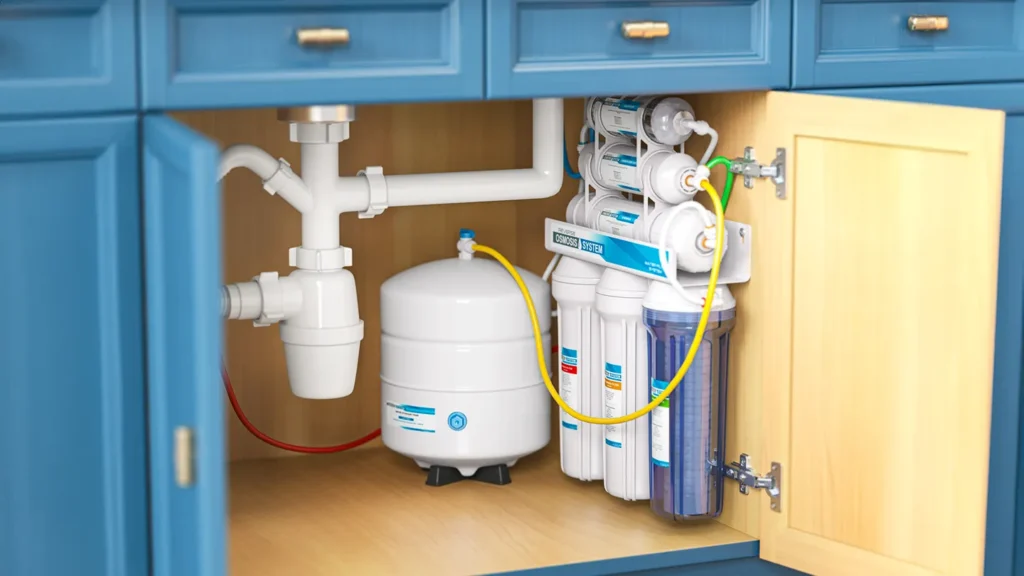
Not all water filters are designed to reduce fluoride. Basic sediment filters and ordinary carbon filters generally do not provide reliable fluoride removal. Reverse osmosis systems, certain activated alumina filters, and other specialized technologies may be used for this purpose, depending on the product’s design and certification.
If fluoride reduction is your goal, read the performance data carefully. Look for a system that specifically lists fluoride among the contaminants it is tested or certified to reduce. A product that claims to improve taste should not automatically be treated as a fluoride-removal solution.
Choosing the Right Filtration Method
Different contaminants require different treatment methods. A system that works well for lead may not be designed for PFAS, and a filter that improves chlorine taste may do little to reduce fluoride.
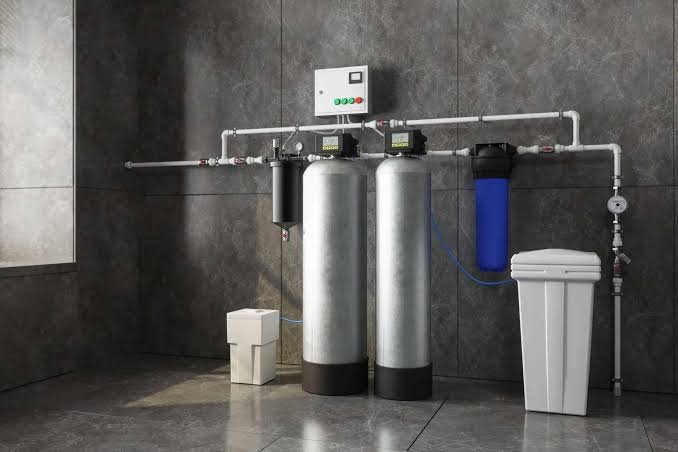
Reverse osmosis is often considered for reducing a range of dissolved substances, including certain PFAS compounds, lead, and fluoride, when the system is properly designed and certified for those contaminants. Activated carbon can also be useful for some PFAS compounds and organic contaminants, but performance depends on the carbon type, contact time, flow rate, and maintenance.
For lead, certified point-of-use filters may be practical for drinking and cooking water. For whole-house concerns, professional testing and plumbing evaluation may be necessary before selecting equipment.
Maintenance Is Part of Water Safety
Even a high-quality filtration system cannot perform well forever without maintenance. Filters become less effective as they collect contaminants, and neglected systems may develop hygiene problems or allow treated water quality to decline.
Follow the manufacturer’s replacement schedule, keep the system clean, and avoid using expired cartridges. If your water source changes or a new contamination concern arises, test the water again rather than assuming the existing system still meets your needs.
Making a Thoughtful Decision
PFAS, lead, and fluoride are different substances, so there is no single solution that automatically addresses every water-quality concern. The most practical approach is to test your water, identify the specific contaminants involved, and choose equipment with verified performance for those substances.
Good drinking water protection doesn’t have to mean buying the most expensive system on the market. It means understanding the problem first, choosing the right treatment, and keeping that treatment working properly. A little research now can provide greater confidence every time you fill a glass.