Water has a funny way of becoming invisible in a busy workplace. It flows through sinks, coffee machines, ice makers, dishwashers and food-preparation equipment all day long, yet most people only notice it when something goes wrong.
A strange taste in a glass of water. Scale around a faucet. A dishwasher that isn’t performing quite the way it used to. Maybe customers start mentioning that the coffee tastes different. Small signs, perhaps, but in a commercial environment small problems have a habit of becoming expensive problems.
Good water management isn’t about making every business install the same equipment. It’s about understanding how water is being used and choosing treatment that supports the operation. A restaurant, office, hotel and manufacturing facility can have completely different needs.
Start by Understanding the Water
The smartest commercial water decisions usually begin with testing.
Water quality can vary depending on the source, local conditions, plumbing and the type of facility. Testing may identify hardness, sediment, iron, pH, dissolved minerals and other characteristics that influence treatment.
This is particularly important when a business is considering specialized equipment. Nobody wants to spend thousands of dollars solving a problem that wasn’t actually there.
Testing also helps separate aesthetic concerns from issues that may require more serious attention. Cloudiness, unusual taste and mineral spots can have many causes, and they don’t all call for the same solution.
In other words, don’t guess when you can measure.
Different Applications Need Different Water
One of the biggest mistakes in commercial water planning is assuming that all water in a facility needs to be treated in exactly the same way.
A drinking-water station may need filtration focused on taste and odor. A boiler may have stricter requirements. A food-preparation area could need protection against hardness and sediment. A manufacturing process may require water with very specific chemical characteristics.
This is where a customized approach starts to make sense.
For highly controlled applications, deionization & water sanitization may be part of the overall strategy. Deionization uses ion-exchange technology to reduce dissolved ions, while sanitization focuses on controlling microorganisms through an appropriate method.
These are specialized processes, and they should be selected according to the actual water-quality requirements rather than simply because the technology sounds advanced.
Why Commercial Kitchens Need Extra Attention
A commercial kitchen is a demanding environment for water.
Water is used to rinse produce, prepare food, wash dishes, make ice, brew beverages and clean surfaces. Many of those jobs happen simultaneously during busy periods.
Hard water can create scale inside equipment. Sediment can interfere with valves and filters. Certain water characteristics can influence the taste of beverages and the performance of appliances.
That makes commercial kitchen filtration an important consideration for restaurants, cafés, bakeries, catering operations and other food-service businesses.
The ideal system depends on the kitchen’s water source, usage patterns and equipment. A coffee-focused café may have different priorities from a large restaurant with multiple dishwashers and ice machines.
Don’t Underestimate the Coffee Machine
Coffee is one of those products where water quality can make a noticeable difference.
Even excellent coffee beans won’t rescue a beverage if the water has an unpleasant taste or if mineral deposits are damaging the machine. Hard water can contribute to scale, while certain dissolved substances may influence flavor.
For cafés, hotels and offices, water filtration can therefore be both an equipment-protection measure and a quality-control decision.
The same idea applies to ice. Clear, good-tasting ice can be an important part of the customer experience, especially in hospitality businesses.
It’s easy to focus on the machine itself and forget the ingredient running through it.
Bottleless Coolers Offer a Different Approach
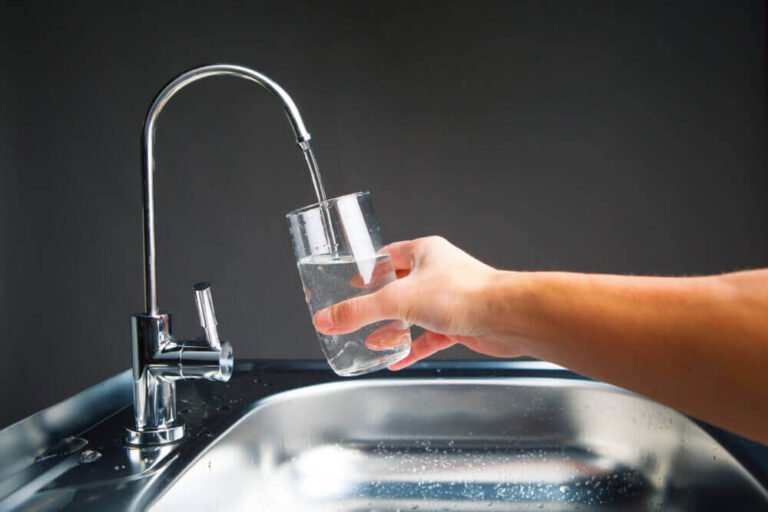
Drinking-water stations are common in offices and commercial facilities. Traditional bottled dispensers work, but they also involve deliveries, storage and empty containers.
For some workplaces, bottleless water coolers can be a more convenient alternative. These units connect directly to a water supply and typically use filtration to provide treated drinking water.
The appeal is fairly straightforward: no stacks of replacement bottles taking up storage space, fewer deliveries to coordinate and a consistent source of drinking water for employees or visitors.
Of course, the filtration system still needs maintenance. Filters must be replaced according to the manufacturer’s schedule, and the equipment should be cleaned and serviced appropriately.
Convenience doesn’t eliminate maintenance. It simply changes the routine.
Hard Water Can Quietly Raise Operating Costs
Hard water is often dismissed as a cosmetic nuisance because the first signs are usually white spots or scale around fixtures.
But commercial facilities can have much more at stake.
Water heaters, dishwashers, boilers, steam equipment and other appliances may accumulate mineral deposits over time. Depending on the equipment and water chemistry, scale can affect performance and increase cleaning or maintenance requirements.
Businesses using large amounts of hot water may be particularly sensitive to these effects.
Water softening can help reduce hardness minerals, while scale-control technologies may offer a different approach. The right choice depends on the business’s objectives and water chemistry.
Think About Peak Demand, Not Average Demand
Commercial water use rarely stays constant.
A restaurant may have its highest demand during lunch and dinner. A hotel can experience a morning rush when guests shower and staff begin cleaning rooms. A manufacturing facility may have specific production cycles that suddenly increase water consumption.
Treatment systems need to keep up with those conditions.
When selecting equipment, businesses should consider peak flow, pressure, storage capacity and the number of fixtures operating at once. An undersized system can struggle when demand increases, while an oversized system may cost more than necessary.
It’s a technical detail, but it’s also a practical one. Water should still flow when everyone needs it.
Maintenance Should Be Part of the Budget
Water-treatment equipment doesn’t maintain itself.
Filters eventually need replacement. Membranes require monitoring. Softening equipment may need salt and service. Sanitization systems have their own maintenance requirements.
Businesses should understand these costs before installation.
A system with a low purchase price can become expensive if replacement components are costly or service is difficult to arrange. Conversely, a well-designed system with predictable maintenance can be easier to budget for over the long term.
Keeping service records helps, too. Knowing when filters were changed or equipment was inspected makes troubleshooting much simpler.
Don’t Treat Every Water Problem the Same
A commercial facility may have several water-quality concerns at once, but that doesn’t mean one piece of equipment should be expected to solve everything.
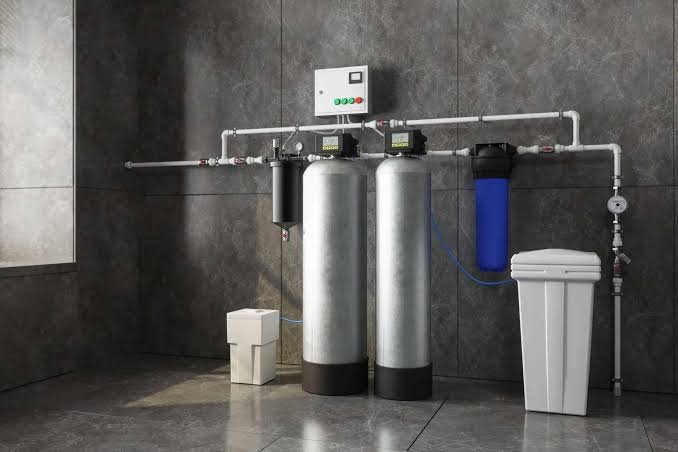
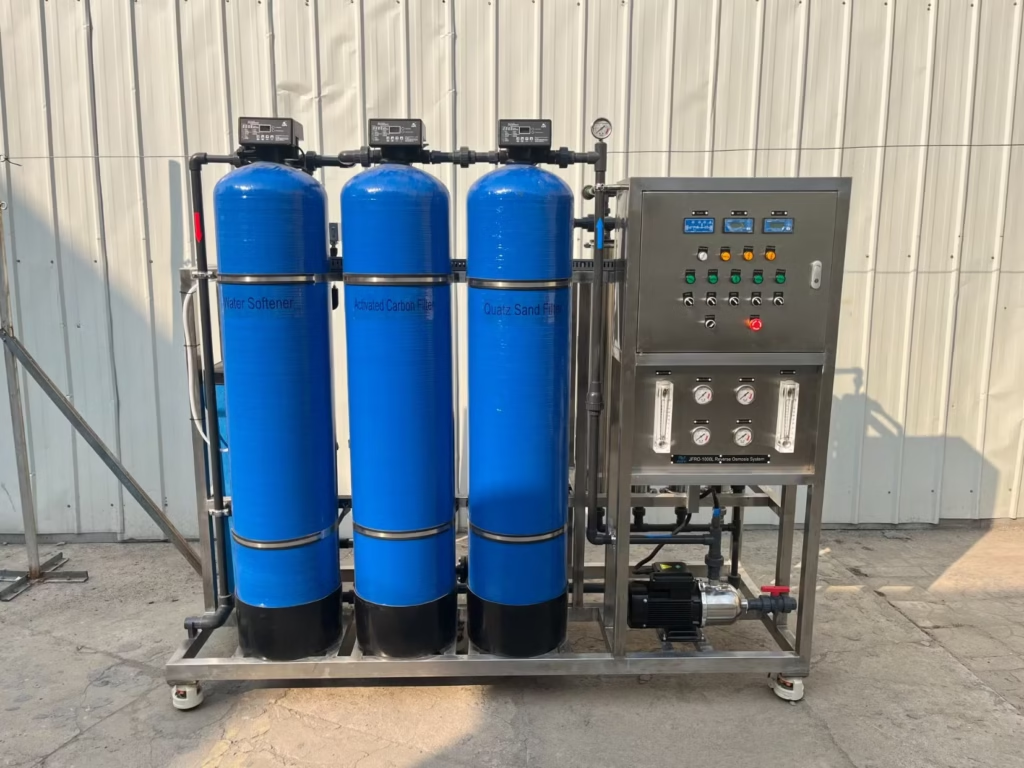
Sediment filtration, carbon filtration, softening, reverse osmosis, deionization and disinfection each have different purposes.
Choosing technology based on the specific problem is usually more efficient than building an unnecessarily complicated treatment train.
A good water professional should be able to explain why each component is being recommended and what it is expected to accomplish.
If the explanation sounds like a collection of impressive technical terms rather than a clear solution to a real problem, it’s worth asking more questions.
Good Water Management Happens in the Background
The best commercial water system isn’t necessarily the one people notice.
It’s the one that quietly supports the business.
Equipment stays cleaner. Coffee tastes consistent. Drinking water is convenient. Dishwashing runs smoothly. Maintenance is predictable. Staff don’t have to deal with preventable water-related interruptions in the middle of a busy day.
That kind of reliability starts with understanding the water and the operation together.
Test first. Identify the actual needs. Consider peak demand. Choose treatment that fits the application, and don’t forget the maintenance that keeps it working.
Water may be invisible in the daily rhythm of a business, but its impact certainly isn’t. When it’s managed properly, the benefits show up everywhere—and usually without making much noise at all.