Water treatment is one of those home improvements that tends to stay out of sight. You don’t admire the filter every morning or proudly show guests the equipment in the utility room. Yet when the system is working properly, you notice the difference in little ways — fewer spots on fixtures, better-tasting drinking water, cleaner-looking laundry, and appliances that aren’t dealing with unnecessary mineral buildup.
The trick is finding a setup that solves your water problems without becoming another household chore. Good treatment isn’t about buying the biggest system or installing every available filter. It’s about understanding your water and building a practical routine around it.
Start With the Water, Not the Equipment
Before choosing a filtration system, figure out what’s actually happening with your water.
Municipal water and private well water can have very different characteristics. Even within the same community, plumbing, source conditions, and household usage can influence what comes out of the faucet.
A water test can help identify concerns such as hardness, chlorine, iron, manganese, pH, dissolved solids, and other parameters. Once you have that information, it becomes much easier to decide whether you need filtration, softening, reverse osmosis, or another treatment approach.
This sounds obvious, but it’s a step homeowners sometimes skip. Buying equipment first and figuring out the problem later can turn into an expensive guessing game.
Whole-House Filtration Can Address More Than Drinking Water
When water-quality concerns affect several fixtures, treating only the kitchen faucet may not be enough.
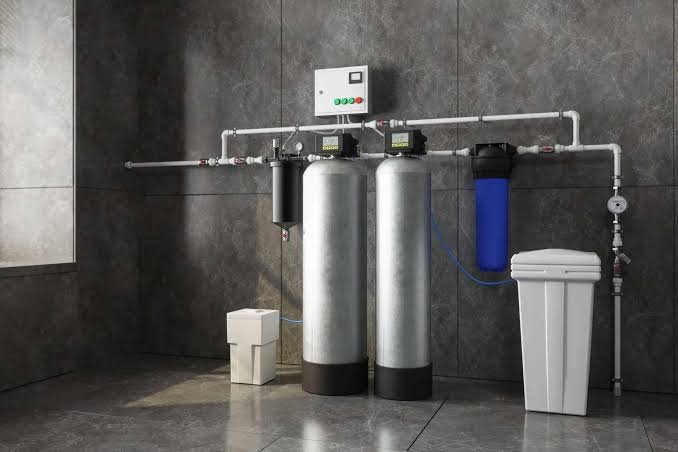
A whole-house filtration setup treats water as it enters the home, allowing treated water to flow to multiple fixtures. Depending on the system, it can be designed to address sediment, chlorine, odors, or other identified concerns.
This can be especially useful when the problem isn’t limited to drinking water. If showers, bathroom fixtures, laundry, and appliances are all affected, treating the supply at the entry point may provide a more complete solution.
However, whole-house treatment isn’t automatically the right answer for everyone. If you’re mainly unhappy with the taste of drinking water, a point-of-use filter may be simpler and more affordable.
The goal is to match the treatment method to the problem.
Hard Water Requires a Different Strategy
Hard water is a common reason homeowners start looking into treatment. Calcium and magnesium can create scale on faucets, shower doors, appliances, and plumbing components.
You may also notice that soap doesn’t rinse as easily or that dishes come out of the dishwasher with spots.
Water softeners are designed to reduce hardness minerals through ion exchange. They don’t perform the same job as a carbon filter or reverse osmosis system, which is why different technologies shouldn’t be treated as interchangeable.
If hardness is the main issue, a softener may be the logical starting point. If you’re dealing with multiple water concerns, additional treatment can be considered after testing.
Don’t Forget the Salt
For homes that use salt-based softening systems, maintaining an adequate supply of regenerant is part of normal ownership.
Running out of salt can prevent the softener from regenerating correctly, which may eventually allow hardness minerals to pass through untreated.
A salt delivery service can be useful for homeowners who’d rather not keep lifting and carrying heavy bags. Regular delivery can also make the process more predictable, particularly for larger households that use substantial amounts of water.
Of course, the amount of salt a system consumes depends on its settings, water hardness, household demand, and efficiency. If your system seems to be using far more salt than expected, don’t simply accept it. The settings may need adjustment.
Testing Is Worth Doing Before You Spend
Water treatment technology can be confusing because there are so many options.
One system promises cleaner water. Another focuses on minerals. Another claims to improve taste. It’s easy to end up comparing products without understanding which problem you’re actually trying to solve.
That’s where free water testing can be helpful when available from a reputable provider. A basic analysis can give you useful information and help narrow down the treatment options.
Just remember that not every free test is equally comprehensive. Ask what parameters are included and whether the results are explained clearly.
A test should give you information you can use, not simply lead you toward the most expensive equipment.
Pay Attention to Water Pressure
Filtration equipment can affect water flow, particularly as filters become loaded with sediment.
If your home already has low pressure, adding multiple treatment stages without checking system requirements could make the situation worse.
Flow rate and pressure should be considered when equipment is selected. A properly sized system should provide the treatment you need without creating unnecessary restrictions.
If pressure suddenly drops after installation, check the filters first. A clogged cartridge is often easier to address than a larger plumbing problem.
And if replacing the filter doesn’t restore normal pressure, that’s a good reason to have the system inspected.
Maintenance Doesn’t Need to Be Complicated
Every treatment system has maintenance requirements. The difference is whether those requirements are easy to manage.
Keep track of when filters were installed. Know when your softener was last serviced. Check tanks and connections periodically for leaks. Follow the manufacturer’s recommendations for replacement and cleaning.
A simple calendar reminder can handle most of this.
Don’t wait until the water tastes strange or the system stops working completely. Preventive maintenance is usually cheaper and less disruptive than emergency repairs.
The best maintenance routine is the one you’ll actually follow.
Watch for Changes in Water Quality
Your senses can sometimes provide useful early warnings.
A sudden change in taste, odor, color, or appearance deserves attention, particularly if the change wasn’t present before.
That doesn’t automatically mean the treatment system has failed. The source water may have changed, plumbing could be involved, or a filter may simply be overdue for replacement.
If the change persists, testing can help determine what is happening.
Don’t rely solely on appearance, though. Many dissolved substances are invisible, so clear water isn’t proof that everything is fine.
Think About Long-Term Costs
The price of a treatment system doesn’t end when installation is complete.
Consider replacement filters, salt, membranes, service visits, electricity, water consumption, and potential repairs.
A system with a low purchase price may cost more over time if it needs frequent replacement parts. Conversely, a higher-quality system may provide better value if it’s durable and reasonably efficient.
Ask about ongoing costs before buying. A good installer should be able to explain what you’ll need to replace and how often.
That information is worth having before the equipment arrives at your door.
Avoid Buying More Than You Need
There is a temptation to assume that more filtration stages equal better water. It doesn’t always work that way.
Every additional component adds maintenance and another possible failure point. If your water test shows one straightforward problem, you may not need a complicated system designed to address ten different issues.
Choose based on evidence.
If your needs change later, you can always reconsider the treatment setup. Starting with the right equipment is better than paying for technology that sits there doing very little.
A Good System Should Fit Into Your Life
The best water treatment setup isn’t necessarily the most advanced one. It’s the one that works reliably, addresses your actual water conditions, and doesn’t make everyday life unnecessarily difficult.
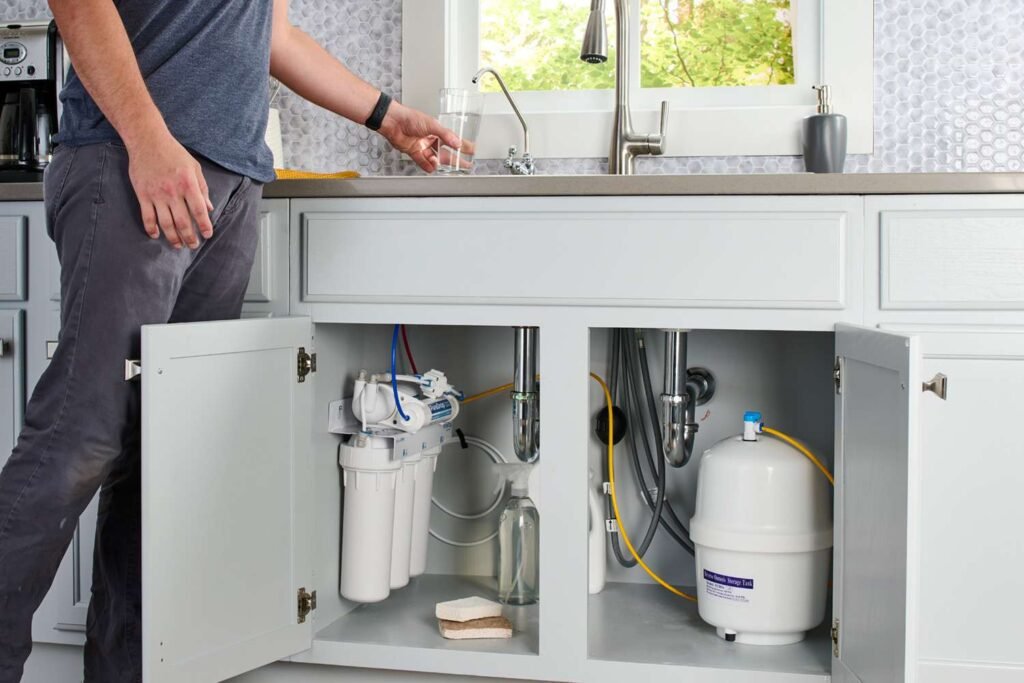
For some households, that might mean whole-home filtration. For others, a softener and a kitchen drinking-water filter may be enough. Some homes may need more specialized treatment based on their water analysis.
Whatever the setup, maintenance matters.
Keep the system supplied, replace filters on time, monitor performance, and test the water when something changes. These simple habits can protect both your investment and the quality of the water you use every day.
In the end, good water treatment should be almost boring. You shouldn’t have to think about it constantly. The system should quietly do its work while you cook dinner, take a shower, fill a glass, or start the washing machine.
That’s when you know you’ve found a setup that truly belongs in your home.