Most of what makes a property comfortable and functional happens where you can’t see it. You turn on a faucet, flush a toilet, check your phone, or drive down a cleanly paved street without thinking much about the network underneath your feet.
That hidden infrastructure matters, though. Water has to arrive. Wastewater has to leave. Rain needs somewhere to go. And all of these systems have to coexist underground without getting in one another’s way.
It’s easy to appreciate utility infrastructure only when it stops working. A blocked drain, flooded parking area, or sudden loss of water pressure can quickly remind everyone just how much a property depends on pipes and underground connections.
Underground Infrastructure Is a Team Effort
A typical property can contain several different utility systems. Some carry drinking water, some move wastewater, and others manage rainwater.
The challenge is that they don’t operate independently. Their routes, depths, access points, and construction requirements can overlap.
For example, sewer lines generally rely on carefully planned elevations so wastewater can flow properly. If the slope isn’t right, drainage can become unreliable. The location of nearby utilities also needs to be considered before excavation or installation begins.
Good planning helps prevent conflicts and makes future maintenance much easier.
Water Needs a Reliable Path to the Property
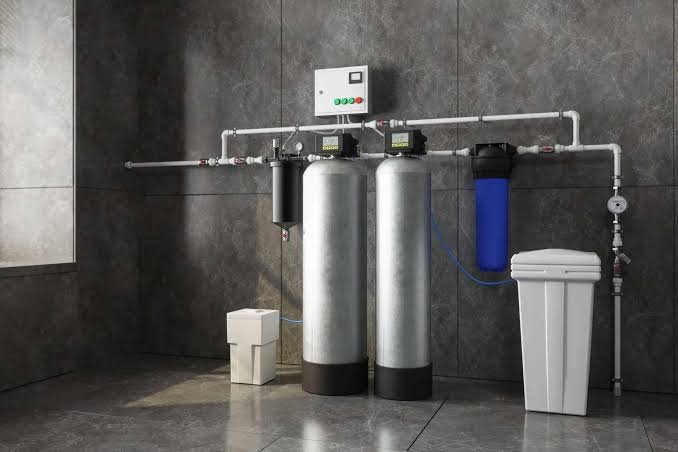
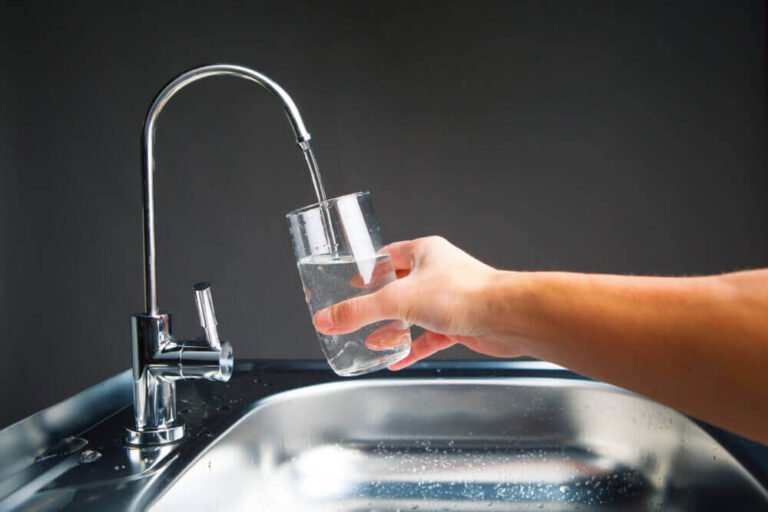
Clean water seems simple when it comes from a faucet, but getting it there involves an extensive network of pipes, valves, meters, and connections.
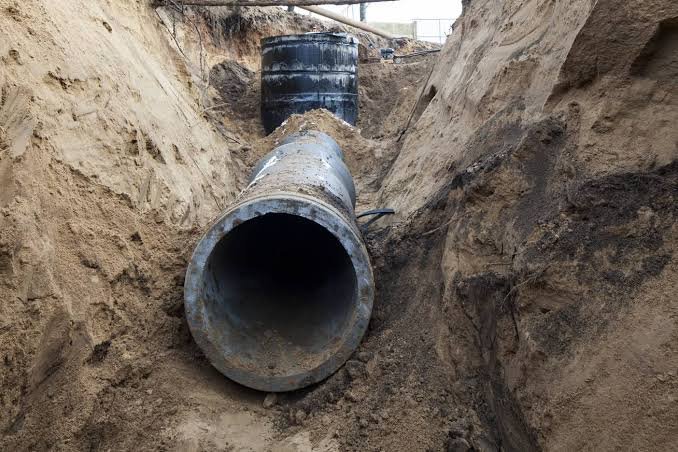
A water mainline typically serves as a major supply route, with smaller service lines branching toward individual properties or buildings.
The size and configuration of a water line depend on factors such as expected demand, local standards, property layout, and available pressure.
For larger developments, planning water capacity early is particularly important. A system designed for light residential use may not be suitable for a busy commercial property with significantly higher demand.
Stormwater Has Its Own Job
Rainwater behaves differently from wastewater and drinking water, so it needs its own management strategy.
A well-designed storm drain and water system helps collect and direct runoff away from areas where it could cause flooding, erosion, or property damage.
This can involve catch basins, underground pipes, drainage structures, retention areas, and carefully graded surfaces.
Stormwater planning is particularly important in areas with heavy rainfall or significant paved surfaces. Parking lots, roofs, sidewalks, and driveways don’t absorb water the way natural ground does. Without adequate drainage, runoff can collect quickly.
A small puddle might seem harmless. Repeated standing water in the same location is another story.
Soil Conditions Can Change the Plan
Underground construction depends heavily on what’s beneath the surface.
Rock, clay, loose fill, groundwater, and other soil conditions can influence how trenches are excavated and how pipes are supported.
Poorly compacted soil can settle around newly installed utilities. Expansive soils may move as moisture levels change. Groundwater can make excavation more complicated and may require additional planning.
This is why site investigation matters before major utility work begins. Knowing the ground conditions gives contractors a better chance of choosing appropriate construction methods.
Installation Is Only Part of the Job
Putting pipes into the ground is important, but protecting them afterward matters just as much.
Construction equipment can place significant loads on buried utilities. Later work—such as landscaping, fence installation, driveway construction, or foundation work—can accidentally damage pipes that nobody remembers are there.
Accurate utility mapping can help prevent these mistakes.
As-built documentation is particularly useful. It records where infrastructure was actually installed rather than relying solely on original plans, which may have changed during construction.
A few clear records today can save hours of detective work years from now.
Maintenance Access Should Be Planned Early
Underground utilities eventually need attention. Valves need inspection. Sewer cleanouts may need access. Storm drains need cleaning. Water meters may need service or replacement.
If these components are installed in inaccessible locations, routine maintenance becomes much harder.
Good utility design considers future access from the beginning. A cleanout buried under a permanent structure might not cause a problem for years, but when the sewer needs attention, its location suddenly becomes very important.
Infrastructure should be designed for the people who will maintain it, not just the people installing it.
Signs of Trouble Shouldn’t Be Ignored
Homeowners and property managers can often spot early warning signs if they know what to look for.
Unusually low water pressure, unexplained increases in water usage, slow drains, wet patches, standing water, foul odors, or recurring backups can all indicate potential infrastructure problems.
None of these signs automatically identifies a specific failure. A wet area may be caused by irrigation. A slow drain may be a simple blockage.
But patterns matter.
When several symptoms appear together or a problem keeps returning, professional inspection can help determine whether the issue is local or part of a larger underground system.
Repairs Don’t Always Require Major Excavation
Modern utility work offers several approaches depending on the condition of the infrastructure.
Some damaged pipes can be repaired locally. Others may be rehabilitated using trenchless methods that reduce the amount of excavation required.
Traditional excavation still has an important role, especially when pipes are severely damaged, collapsed, poorly aligned, or inaccessible using less-invasive methods.
The right method depends on the actual condition of the utility and the property above it.
There isn’t much value in choosing a repair technique simply because it sounds modern. It needs to be appropriate for the situation.
Water, Sewer, and Drainage Should Be Considered Together
A property works best when its underground systems are planned as a connected network rather than a collection of separate projects.
Water supply needs to be reliable. Wastewater needs a dependable route away from buildings. Stormwater needs to be managed without creating new drainage problems.
Coordination becomes especially important during new construction or major renovations. Installing one utility without considering the others can create access problems and unnecessary conflicts later.
Even landscaping plans can affect underground infrastructure. Large trees, retaining walls, patios, and irrigation systems all need to be considered before final utility routes are established.
Choosing Materials for the Conditions
The material used for a utility line can affect its performance and service life.
Different pipe materials offer different characteristics related to flexibility, corrosion resistance, strength, installation, and local environmental conditions.
There isn’t one material that’s ideal for every application.
Contractors should consider the type of utility, soil conditions, expected loads, water characteristics, local requirements, and project design before selecting materials.
For property owners, it’s perfectly reasonable to ask what material is being installed and why. Understanding the basic reasoning behind the choice can provide confidence that the project has been properly considered.
Planning Today Prevents Problems Tomorrow
Underground infrastructure isn’t glamorous, but it is foundational.
A property with thoughtfully planned utilities is easier to operate, maintain, expand, and repair. The opposite is also true. Poorly documented or poorly coordinated infrastructure can create unnecessary headaches whenever future work begins.
That doesn’t mean every property needs an elaborate utility overhaul. Sometimes the best approach is simply maintaining what already works and investigating problems when they appear.
The important thing is to avoid treating underground systems as an afterthought.
The pipes beneath a home or commercial property may never be visible to guests, customers, or neighbors. Yet they influence everything happening above ground.
When water arrives reliably, wastewater disappears, and rainwater moves safely away, the infrastructure is doing its job.
Quietly. Consistently. And, ideally, without anyone having to think about it.