Water does a lot of work that we rarely notice.
At home, it keeps lawns green, gardens alive, and drinking water available at the turn of a tap. At a business, it can be part of cleaning, production, cooling, sanitation, landscaping, and countless other everyday tasks. When everything works properly, water simply does its job in the background.
But when it doesn’t, the problems can become surprisingly visible.
A lawn develops dry patches. A sprinkler starts spraying a sidewalk instead of the grass. Tap water develops an unusual taste. A commercial facility notices higher water consumption without an obvious explanation.
These aren’t always major emergencies. Often, they’re signs that a water system could be working more efficiently.
The trick is knowing what to look for and taking action before small inefficiencies become expensive problems.
A Healthy Landscape Starts With Smarter Watering
A green lawn doesn’t necessarily require more water. In many cases, it requires better water distribution.
Different parts of a property have different needs. Areas exposed to full sun may dry out faster than shaded sections. Sloped ground can experience runoff, while compacted soil may struggle to absorb water evenly.
That’s why lawn irrigation systems should be planned around the landscape rather than installed as a one-size-fits-all arrangement.
A thoughtful irrigation design can divide the property into zones and deliver water according to the needs of the plants in each area. Sprinklers may work well for turf, while drip irrigation can be more suitable around shrubs, flower beds, or vegetable gardens.
It’s a small shift in thinking: don’t water the yard simply because it’s Tuesday. Water it because the landscape actually needs it.
Watch Where the Water Goes
An irrigation system can waste a surprising amount of water without appearing obviously broken.
A sprinkler head may be tilted. A nozzle may be clogged. Water could be spraying against a fence or pavement. A valve might not be closing completely.
These problems can continue for weeks because the system still “runs.”
Walking through the property while irrigation is operating is one of the simplest ways to spot trouble. Look for puddles, runoff, dry areas, broken spray patterns, and water hitting places that don’t need it.
Even small adjustments can improve coverage and reduce waste.
And if a section of lawn remains dry despite regular watering, don’t immediately increase the watering time for the whole property. The issue may be local.
Water Quality Is Another Piece of the Puzzle
Landscaping isn’t the only area where water management matters.
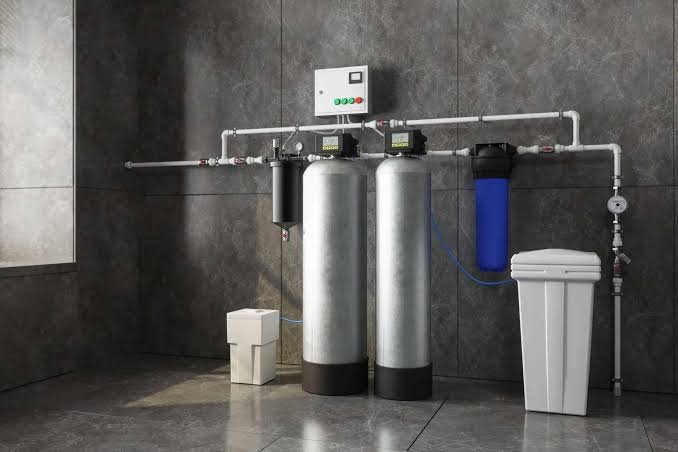
Inside homes and buildings, water quality can affect fixtures, appliances, cooking, cleaning, and drinking. Hard water may leave scale around faucets and showerheads. Sediment can affect fixtures and equipment. Certain water conditions can influence taste and odor.
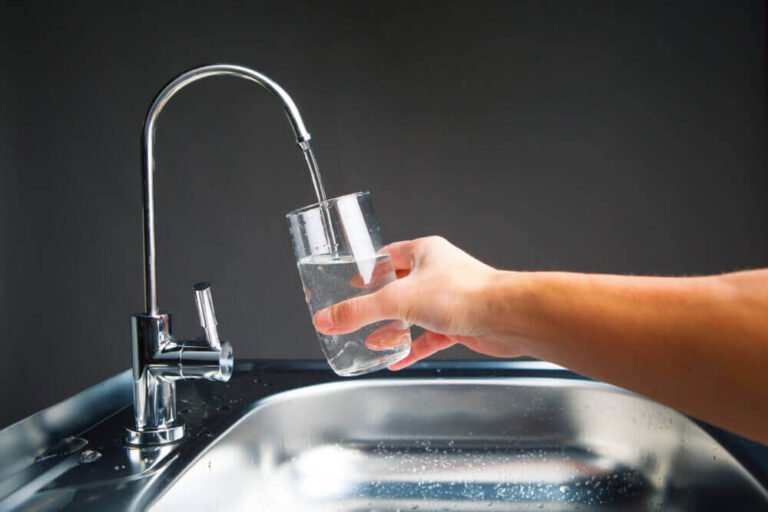
Water filtration can address specific water-quality concerns when the filtration method is appropriately matched to what is present.
The important word is “specific.” A filter designed for sediment isn’t necessarily intended to remove dissolved minerals, and a system designed for taste and odor shouldn’t automatically be expected to address every possible contaminant.
Testing is often the best starting point because it tells you what you’re actually dealing with.
Water Needs Can Change Over Time
A landscape that worked perfectly five years ago may have very different requirements today.
Trees grow. Shrubs become established. Garden beds expand. New landscaping gets added. Areas that once received full sunlight may become shaded.
The same thing happens inside buildings.
A growing business may add bathrooms, equipment, production areas, or landscaping. Water demand changes along with those additions.
This is why water systems shouldn’t be treated as completely static. Periodic evaluation can help determine whether existing equipment still matches current needs.
Sometimes a few adjustments are all that’s necessary.
Commercial Properties Have More at Stake
For a business, water inefficiency can affect more than the monthly utility bill.
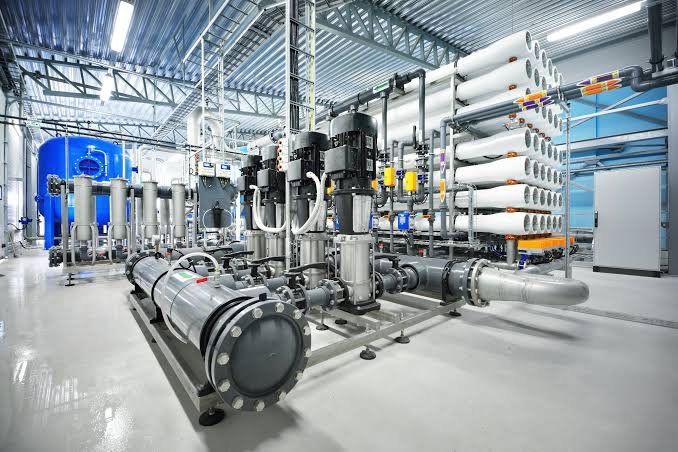
A commercial property may rely on water for cleaning, food preparation, sanitation, manufacturing, irrigation, cooling, or specialized processes. An unexpected interruption can disrupt employees and customers alike.
This is where commercial and industrial services can provide broader support than a simple residential repair visit.
Commercial systems often require careful planning around water demand, equipment capacity, pressure, drainage, compliance requirements, and operating schedules. A solution that works for a small home may not be appropriate for a warehouse, restaurant, office complex, or industrial facility.
The scale changes everything.
Preventive Maintenance Is Worth the Effort
Maintenance is rarely exciting. Nobody wakes up excited to inspect irrigation valves or check a filtration system.
Still, it can save trouble later.
Irrigation systems should be checked for damaged heads, leaks, clogged nozzles, and controller issues. Water-treatment equipment may require filter replacement, cleaning, component inspections, or periodic testing.
Commercial facilities may need more structured maintenance because equipment downtime can have a direct operational cost.
The goal isn’t to repair things constantly. It’s to catch small issues while they’re still small.
A leaking irrigation valve is inconvenient. A leak that has been running unnoticed for six months is a different story.
Efficiency Isn’t Just About Saving Water
Water efficiency is often discussed as a conservation issue, and that’s certainly important. But efficiency can also improve convenience and system performance.
An irrigation system that delivers water evenly can help landscapes stay healthier. Proper filtration can reduce unwanted water characteristics and protect certain fixtures. Well-maintained commercial equipment can reduce unexpected interruptions.
In each case, the objective is similar: use the right amount of water, in the right place, at the right time.
That sounds simple. Getting it right requires some thought.
Professional Design Can Prevent Costly Mistakes
It can be tempting to choose equipment based on price alone.
But the cheapest installation may not be the most economical one. Poorly sized irrigation equipment can create uneven coverage. Incorrect filtration equipment may fail to address the actual water concern. Commercial systems that aren’t designed for peak demand may struggle when usage increases.
Professional evaluation helps connect the pieces.
A good assessment should consider current requirements as well as reasonable future needs. There’s no point designing a system for yesterday’s property.
At the same time, overbuilding can be wasteful. Not every home or business needs the most elaborate setup available.
Pay Attention to the Warning Signs
Water systems tend to provide clues before they fail completely.
A sudden increase in water usage could indicate a leak. Low pressure may point toward a plumbing or equipment issue. Dry lawn patches can reveal poor irrigation coverage. Changes in taste or odor may justify water testing.
None of these signs automatically tells you what the problem is.
They simply tell you to take a closer look.
That distinction is important because guessing can lead to unnecessary repairs or equipment purchases. A little diagnosis usually beats a lot of trial and error.
A Better Approach to Water Starts With Observation
Whether you’re caring for a residential landscape or managing a large commercial property, good water management comes down to understanding how the system behaves.
Notice changes. Check equipment. Test water when appropriate. Keep irrigation properly adjusted. Maintain filtration components. Don’t ignore unexplained water use.
Most importantly, choose solutions based on actual needs rather than trends or impressive product descriptions.
Water is too important—and often too expensive—to manage casually.
A well-designed system doesn’t need to draw attention to itself. It quietly delivers water where it’s needed, keeps landscapes healthy, supports daily operations, and reduces unnecessary waste.
That’s the real measure of good water management: not how complicated the equipment looks, but how reliably it works when nobody is thinking about it.