Water is easy to take for granted. We turn on a tap, fill a glass, start the washing machine, or step into the shower without giving much thought to what is flowing through the pipes. But when water contains excess minerals, sediment, unpleasant odours, or other unwanted substances, its effect on everyday life can become hard to ignore.
The right water treatment system can improve water quality, protect appliances, and make household chores less frustrating. Still, choosing a system is not as simple as buying the most popular model or selecting the largest tank available. Every home has different water conditions and usage patterns. A solution that works well for one family may be unnecessary or underpowered for another.
Understanding how household needs influence treatment decisions can help homeowners make a more informed, practical choice.
Why Household Water Needs Vary
Water treatment begins with recognizing that no two properties are exactly alike. A home supplied by a municipal water network may face chlorine taste, sediment, or hardness concerns. A property using well water may have issues involving iron, manganese, bacteria, or changing mineral levels.
The plumbing system also affects the decision. Older pipes may release rust or particles into the water, while newer homes may have appliances that are especially sensitive to scale. Some households are mainly concerned about drinking water, whereas others want to improve water quality throughout the entire property.
Lifestyle makes a difference, too. A family that washes clothes frequently, takes long showers, or runs multiple appliances at once may place greater demands on a treatment system than a smaller household with lower consumption.
Start by Understanding Daily Water Use
One of the most overlooked factors in water treatment planning is daily water use. Homeowners often focus on the quality of the water but forget to consider how much water the system must treat.
Water consumption includes more than drinking and cooking. Showers, baths, dishwashers, washing machines, toilets, cleaning, and outdoor activities all contribute to total demand. During certain times of the day, water usage may increase sharply. Morning routines, for example, can create a sudden demand when several people are showering, preparing breakfast, and using appliances simultaneously.
A treatment system should be capable of handling both average and peak demand. If the system is too small, water pressure may drop or untreated water may pass through when demand is high. If it is too large, the initial cost and maintenance requirements may be higher than necessary.
Homeowners can estimate usage by reviewing water bills, checking household habits, or asking a water-treatment professional to calculate demand based on the property’s size and occupancy.
Test the Water Before Choosing Equipment
A water test is one of the most useful steps before purchasing treatment equipment. Clear water is not necessarily clean water, and visible stains do not always reveal the complete problem.
Testing may identify hardness, pH, iron, manganese, chlorine, sediment, total dissolved solids, bacteria, or other contaminants. The exact testing requirements depend on the water source and the concerns reported by the household.
For homes using private wells, regular testing is especially important. Well water can change due to rainfall, seasonal conditions, groundwater movement, and nearby land use. Even if the water has always seemed fine, testing can reveal issues that are not visible or noticeable by taste.
The results help determine which technologies are appropriate. A water softener may be useful for hardness, but it will not address every contaminant. Similarly, a carbon filter may improve taste and odour but may not be designed for bacterial concerns. Selecting equipment without testing can result in wasted money and disappointing performance.
Considering Customized Solutions
There is no universal water-treatment package that fits every property. This is where customized solutions become valuable. A customized approach considers the water source, test results, household size, plumbing layout, available space, budget, and treatment goals.
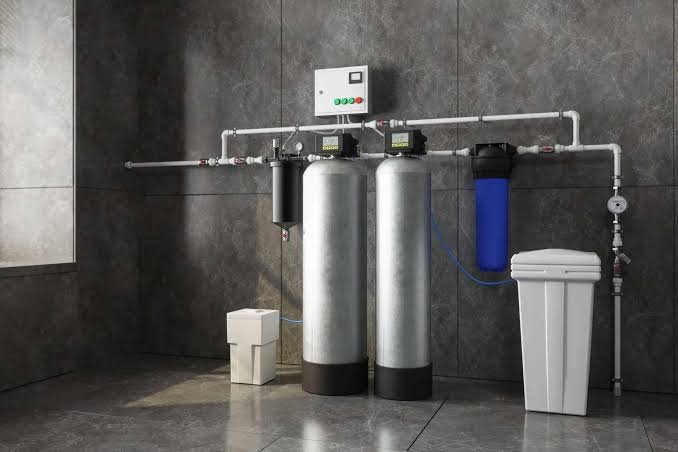
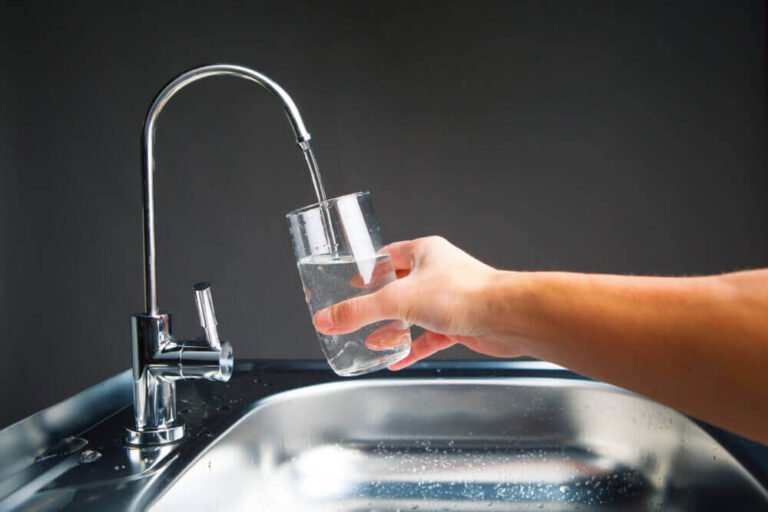
For example, a home with severe hardness may need a whole-house softener to protect plumbing and appliances. Another property may need sediment filtration before a softener because the incoming water contains visible particles. A household concerned about drinking-water purity might choose a reverse osmosis system at the kitchen sink while using a separate treatment method for the rest of the home.
Customization does not necessarily mean installing a complicated collection of equipment. In some cases, the best solution is surprisingly simple. The goal is to treat the actual problem without adding unnecessary components that increase maintenance and operating costs.
Selecting the Right Treatment Technologies
Different water concerns require different treatment methods. Understanding the basic options makes it easier to discuss choices with an installer.
Water Softeners
Water softeners are commonly used to reduce calcium and magnesium, the minerals responsible for hardness. They can help limit scale buildup in water heaters, showerheads, faucets, dishwashers, and laundry equipment.
Traditional salt-based softeners use ion exchange and require periodic regeneration. They are often effective for homes with significant hardness, but they need salt replenishment and routine maintenance.
Carbon Filtration
Carbon filters can reduce chlorine taste, unpleasant odours, and certain organic compounds. They are often used to improve the taste and smell of drinking water or to provide better water quality throughout the home.
However, carbon filtration does not remove every contaminant. The filter type and certification should match the specific water concern.
Reverse Osmosis
Reverse osmosis systems are designed to reduce many dissolved substances from water. They are frequently installed under kitchen sinks for drinking and cooking water.
Because reverse osmosis can remove beneficial minerals along with unwanted substances, homeowners should understand the system’s output and maintenance requirements. Filters and membranes must be replaced according to usage and manufacturer guidance.
Ultraviolet Treatment
Ultraviolet systems may be used to control microorganisms in certain water supplies, particularly private wells. UV treatment works best when the water is properly filtered and the system receives the correct flow rate and maintenance.
When High-Capacity Options Make Sense
Larger households or properties with heavy water demand may benefit from high-capacity options. These systems are designed to treat greater volumes of water and may be better suited to homes with multiple bathrooms, frequent laundry, large families, or high-flow fixtures.
Capacity should not be selected simply because bigger equipment appears more powerful. An oversized system may cost more, occupy additional space, and consume unnecessary salt, water, or electricity. The correct size depends on measured water demand and the contaminants being treated.
A professional assessment can help determine whether a higher-capacity unit is necessary. In some cases, two smaller systems or a staged treatment setup may provide better flexibility than one oversized unit.
Installation and Maintenance Matter
Even the right equipment can perform poorly when installation is rushed or maintenance is ignored. Treatment systems need proper connections, suitable water pressure, correct flow rates, and enough space for servicing.
Homeowners should ensure that filters, tanks, valves, and control panels remain accessible. Salt-based systems require regular salt checks, while filtration units need cartridge replacements. Reverse osmosis systems require membrane and filter maintenance, and UV systems need lamp replacement and cleaning.
Keeping a maintenance schedule helps prevent performance problems. If water quality changes, pressure drops, or unusual tastes return, the system should be inspected rather than ignored.
Making a Confident, Practical Choice
Choosing a water treatment system is ultimately about matching the equipment to the home rather than following a trend. Begin with water testing, understand household demand, and identify the problems that truly need attention.
Compare treatment methods based on performance, maintenance, installation requirements, operating costs, and long-term reliability. Ask providers to explain what a system removes, what it does not remove, and how often it needs service.
A properly selected treatment solution can make water more pleasant to use, protect valuable appliances, and reduce recurring household frustrations. The smartest choice is not always the biggest or most advanced system. It is the one that responds to the home’s real needs and continues working reliably over time.