Finding a place to live is about more than square footage and the number of bedrooms. People want to feel comfortable when they come home. They want a neighborhood that feels manageable, a property that’s cared for, and the quiet confidence that basic safety has been taken seriously.
That matters even more in an apartment community, where dozens or hundreds of people share buildings, parking areas, walkways, utilities, and common spaces. One overlooked maintenance issue can affect far more than a single household.
In a place like Kingman, where hot summers and changing weather conditions can put extra demands on buildings, thoughtful property management isn’t something to take lightly. Good apartment living often comes down to details that residents barely notice — until something goes wrong.
What Makes an Apartment Community Feel Like Home?
There are obvious things people look for when touring an apartment. A clean kitchen. A decent floor plan. Enough closet space. Maybe a balcony or a pleasant view.
But the less visible details often determine whether someone actually enjoys living there.
Heating and cooling equipment should work reliably. Hallways and outdoor areas should be maintained. Doors, locks, lighting, smoke alarms, and other safety features need regular attention. Parking areas should be reasonably well organized, and maintenance requests shouldn’t disappear into a black hole.
For prospective renters comparing communities, properties such as Amy Neal Apartments can become part of that broader conversation about what residents expect from their surroundings. The name of a property may attract attention, but its day-to-day management is what ultimately shapes the experience.
Safety Begins With Preparation
Apartment safety isn’t only about responding after something happens. Prevention is just as important.
Fire safety is an obvious example. Residents need clear exits, functioning alarms, accessible emergency routes, and a management team that takes potential hazards seriously. Staff should also know what to do if an emergency occurs.
Local emergency responders play an important role as well. The City of Kingman Fire Department is part of the wider safety network that apartment communities rely on during fires and other emergencies. While residents can’t control how an emergency unfolds, property owners and managers can make sure buildings are prepared before one occurs.
That preparation includes more than putting up a few signs. Emergency equipment needs inspection, access routes should remain clear, and residents should understand basic evacuation procedures.
It’s the kind of work that can feel unnecessary on an ordinary Tuesday. Then something happens, and suddenly it matters enormously.
Maintenance Is Part of Resident Satisfaction
Ask most renters what frustrates them, and maintenance problems will probably make the list.
A dripping faucet isn’t a catastrophe, but if a maintenance request sits unresolved for weeks, it becomes a daily annoyance. The same is true for a malfunctioning air conditioner, a broken exterior light, a door that doesn’t close properly, or a plumbing problem that keeps returning.
Good maintenance isn’t about making every building perfect. Buildings naturally age. Things wear out.
The difference is how quickly problems are identified and handled.
Apartment communities that maintain equipment proactively can often reduce the number of unexpected failures. Regular inspections can also reveal small problems before they become expensive repairs.
For residents, that creates something valuable: predictability.
Climate Makes HVAC Performance Especially Important
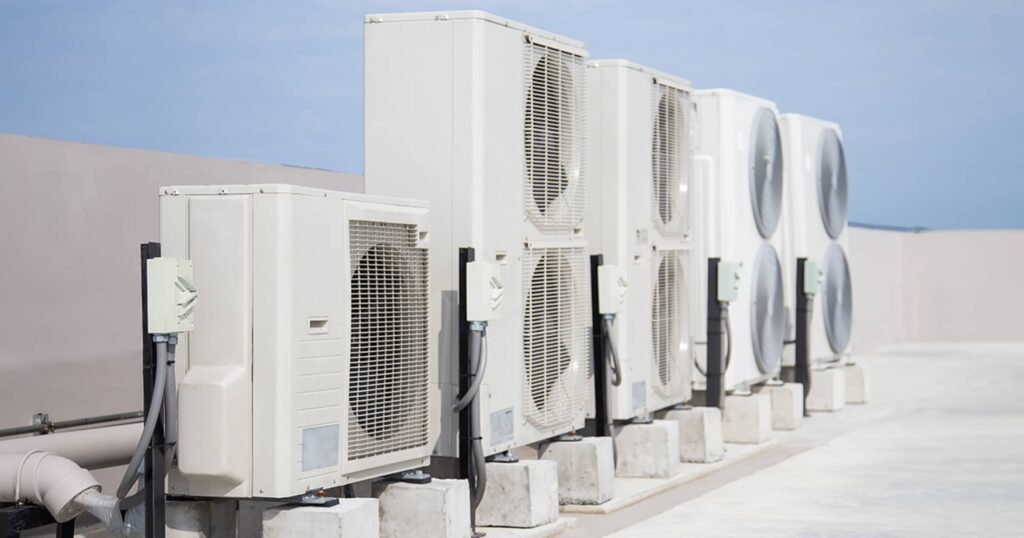
In warmer regions, air conditioning isn’t a luxury that can simply be ignored. It can be central to everyday comfort.
An apartment that feels unbearable during a hot afternoon can quickly become stressful, particularly for residents working from home or spending most of their day indoors. Poorly maintained equipment may also run longer than necessary, potentially increasing energy consumption.
Property managers should keep HVAC systems in good operating condition, replace filters as appropriate, and respond to unusual noises, weak airflow, temperature problems, or repeated breakdowns.
Residents can help too. Reporting a problem early is generally better than waiting until the system stops working completely.
Shared Spaces Need Attention Too
Apartment living means sharing more than walls.
Residents use stairways, corridors, laundry rooms, entrances, parking lots, mail areas, landscaping, and recreational spaces. These areas influence how a community feels, even though they aren’t technically part of an individual apartment.
A well-maintained common area sends a simple message: someone is paying attention.
That doesn’t mean every property needs expensive landscaping or hotel-style amenities. Sometimes clean walkways, working lights, trimmed landscaping, and tidy shared spaces make a bigger impression than flashy extras.
There’s something reassuring about walking into a community and seeing that the basics are handled.
Choosing an Apartment Should Include Practical Questions
When touring a property, prospective renters often focus on appearance. That’s understandable. But it’s worth asking a few less glamorous questions too.
How quickly does maintenance usually respond? Who handles after-hours emergencies? How often are common areas inspected? Are there procedures for fire or other emergencies? How old are the HVAC systems? Are residents given clear information about building rules and responsibilities?
You can also pay attention during the tour.
Do hallways look maintained? Are exterior lights working? Are trash areas reasonably clean? Do doors and gates appear to function properly?
These observations don’t tell the whole story, but they can provide useful clues.
Look at the Community, Not Just the Apartment
A beautiful apartment can still be a poor fit if the surrounding community doesn’t suit your lifestyle.
Think about noise, parking, access to nearby services, commuting time, outdoor areas, and the general atmosphere. If you’re moving with children or pets, those considerations may be even more important.
It’s also worth considering how the property handles communication. A responsive management team can make a significant difference when something goes wrong.
A renter doesn’t need constant contact with management. In fact, most people would rather not need it. But when a genuine problem appears, knowing someone will respond is reassuring.
Older Properties Can Still Be Excellent Choices
New construction gets plenty of attention, and for good reason. Newer buildings often offer updated fixtures, modern layouts, and newer mechanical systems.
But age alone doesn’t determine whether an apartment is a good place to live.
An older property that’s consistently maintained can be more comfortable and dependable than a newer building that’s poorly managed. Look at the condition of the property rather than assuming “new” automatically means “better.”
Ask how major systems are maintained and whether improvements have been made over time. Good management can extend the useful life of buildings and keep residents comfortable without constantly chasing the latest trend.
Community Matters More Than People Expect
There’s also a human side to apartment living.
People want to feel respected by neighbors and management. They want reasonable expectations around noise, shared spaces, parking, and property care. They want to know that concerns will be heard.
A property such as Copper Ridge Apartments may be considered not only for its physical features but also for the kind of living experience people associate with the community.
Ultimately, apartment living works best when everyone understands that shared spaces are shared responsibilities. A little consideration goes a long way.
A Good Home Is About Peace of Mind
The best apartment isn’t necessarily the one with the fanciest finishes or the longest list of amenities.
It’s the place where the air conditioning works when summer arrives. Where lights come on when you walk through a parking area at night. Where maintenance issues receive attention. Where safety procedures aren’t treated as an afterthought.
Those things may not make the most exciting property brochure, but they matter every day.
For renters, taking a closer look at maintenance, safety, management, and community conditions can lead to a better decision. For property owners and managers, investing in those fundamentals can build trust and encourage residents to stay.
At the end of the day, a good apartment community should let people get on with their lives. Come home, close the door, relax, and feel comfortable. That’s a fairly simple goal — but when a property gets the important details right, it’s one that’s absolutely worth achieving.