Water is so ordinary that it’s easy to overlook. You turn on a faucet, fill the kettle, rinse a plate, or step into the shower without giving much thought to what is happening behind the scenes. Then one day there’s white scale around the faucet, spots on the dishes, soap that refuses to rinse clean, or a strange taste in the drinking water. Suddenly, water quality is on your mind.
The good news is that many household water problems can be addressed with the right treatment approach. The trick is choosing equipment based on the actual water conditions rather than buying whatever system happens to have the most impressive advertising.
Different technologies do different jobs. Understanding those differences can save money, reduce frustration, and lead to much better results.
Start by Understanding Your Water
Before choosing treatment equipment, find out what you’re dealing with. Water can contain minerals, sediment, metals, microorganisms, or other substances depending on the source and local conditions.
A professional water test can provide useful information about characteristics such as hardness, pH, iron, manganese, sediment, and other potential concerns. Private well owners should be especially attentive to testing because groundwater conditions can vary and aren’t monitored in exactly the same way as public supplies.
The point isn’t to turn your kitchen into a chemistry laboratory. It’s simply to get reliable information before making a purchase.
When Hard Water Becomes a Household Problem
Hard water is one of the most common reasons homeowners investigate treatment. Calcium and magnesium are naturally occurring minerals, but higher concentrations can create scale throughout the home.
You may notice mineral deposits on showerheads and faucets first. Then there are cloudy dishes, dry-feeling skin, and that familiar white ring inside a kettle. Water heaters and other appliances can also accumulate scale over time.
This is where water softeners can play an important role. These systems are specifically designed to reduce hardness minerals, helping limit scale and making water easier to manage around the house.
A softener isn’t intended to solve every possible water-quality issue, though. That’s an important distinction. If you also have sediment, iron, odors, or other concerns, additional treatment may be appropriate.
Drinking Water May Need a Different Approach
The water used for drinking and cooking has different priorities from water used for laundry or bathing. That’s why many homes use a targeted treatment system at the kitchen sink.
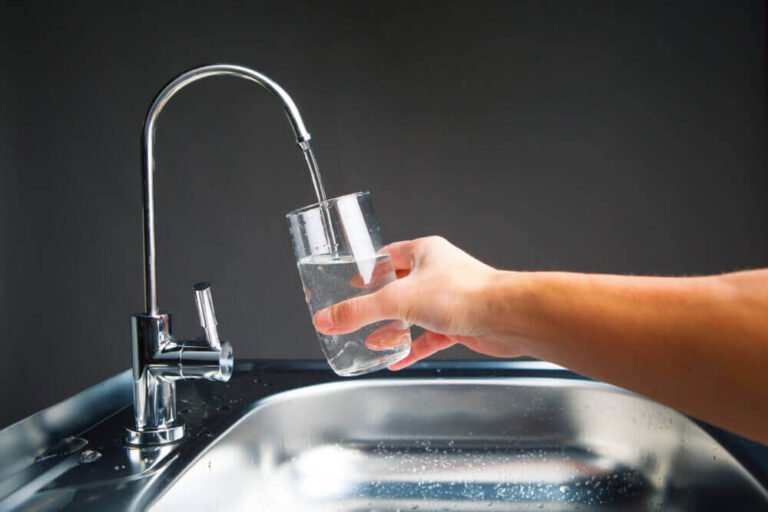
Reverse osmosis drinking water systems are designed to push water through specialized membranes that can reduce many dissolved substances. They are often used when homeowners want more extensively treated water for drinking and food preparation.
Reverse osmosis does involve more than simply installing a filter and forgetting about it. Filters and membranes require periodic replacement, and systems should be maintained according to the manufacturer’s recommendations.
It’s also worth considering how much treated water your household actually needs. If drinking and cooking are the main concerns, treating water at the point of use may be more practical than treating every gallon entering the house.
Whole-Home Treatment Has a Different Purpose
Some water problems don’t stop at the kitchen faucet. If you’re dealing with sediment, unpleasant odors, chlorine taste, or other characteristics throughout the property, treating only drinking water won’t necessarily solve the wider issue.
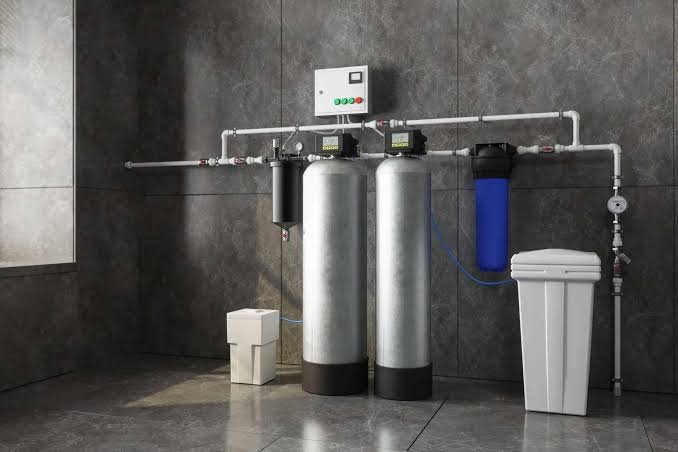
That’s where whole-home water treatment systems can make sense. These systems treat water as it enters the house, allowing treated water to reach showers, laundry areas, bathrooms, and appliances as well as the kitchen.
Whole-home treatment can be particularly useful when the concern affects everyday water use. Nobody wants to clean a showerhead every few weeks because mineral deposits keep returning, or worry about sediment appearing at several faucets.
Still, whole-home treatment isn’t automatically the best choice for everyone. The water test and household goals should guide the decision.
One System Doesn’t Do Everything
There’s a tendency to think of water treatment as one giant category, but the technologies are quite different.
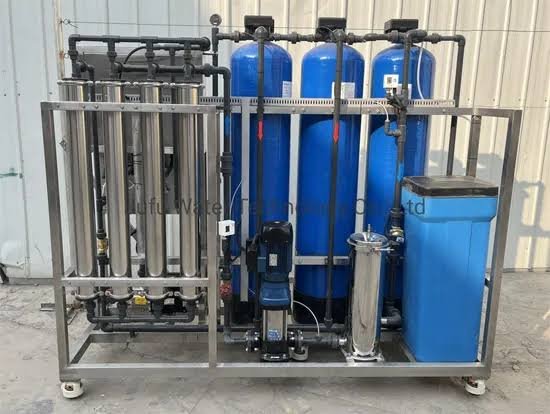
A softener addresses hardness. A sediment filter catches particles. Activated carbon can help with certain tastes, odors, and chemicals. Reverse osmosis focuses on reducing many dissolved substances. Disinfection technologies can address microorganisms.
The right setup might use one technology or several.
Think of it like fixing a leaky roof. You wouldn’t buy a new front door and expect the leak to disappear. The solution needs to match the problem. Water treatment works much the same way.
Household Size Matters
The system that works perfectly for one home may struggle in another.
A couple living in a small house has different water demands from a family with three bathrooms, teenagers taking long showers, and a washing machine running half the weekend. System capacity and flow requirements should reflect those differences.
Oversizing equipment isn’t necessarily smart, either. Bigger equipment can cost more and may require additional maintenance without providing meaningful benefits.
A proper evaluation considers peak demand, available installation space, existing plumbing, and the expected use of treated water. It’s a little less exciting than comparing product features online, perhaps, but it matters much more.
Don’t Forget Maintenance
Even the best treatment equipment needs attention.
Filters eventually become loaded with sediment or other material. Softening systems need appropriate settings and, depending on the design, a reliable supply of salt. Reverse osmosis membranes wear over time. Connections and other components should also be checked periodically.
Skipping maintenance can gradually affect water quality and system performance. Sometimes the first warning is subtle: pressure drops, the taste changes, or water doesn’t seem quite as clean as it used to.
Keep a simple service record. Write down when filters were changed and when the system was inspected. It takes a few minutes, and future-you will appreciate it.
Installation Can Make a Difference
Good equipment still needs proper installation. Incorrect connections, unsuitable sizing, poor drainage arrangements, or settings that don’t match the home’s water conditions can all create unnecessary problems.
Professional installation can also make it easier to understand how the system works. Homeowners should know what routine maintenance involves, what components eventually need replacement, and which changes in water quality should prompt a service call.
That’s not about making treatment seem complicated. It’s about making ownership easier.
Make the Decision Based on Real Needs
The best water treatment system isn’t necessarily the most expensive or technologically elaborate option. It’s the one that addresses the problems you actually have.
Start with testing. Look at your water source and household usage. Decide whether you need treatment throughout the property or mainly at the drinking-water tap. Then compare technologies based on what they are designed to accomplish.
And don’t overlook long-term costs. Replacement filters, service, electricity, salt, installation, and eventual component replacement all form part of the real investment.
Good Water Treatment Should Fade Into the Background
When a treatment system is properly selected and maintained, you shouldn’t spend every morning thinking about it. The water simply works better.
Fixtures stay cleaner. Appliances may experience less scale. Drinking water can taste better. Everyday chores become a little less irritating. None of those improvements sound dramatic on paper, but together they can make a home feel noticeably easier to live in.
That’s really the goal—not owning the fanciest equipment, but having water that fits the needs of your household. Take the time to understand what’s coming through your pipes, choose treatment that matches the problem, and maintain it properly.
Sometimes the best home improvements are the ones you stop noticing after a while. Clean, dependable water is a pretty good example.