A water treatment system rarely gets much attention when everything is working properly. Water flows, appliances run, showers feel comfortable, and nobody thinks twice about what happens behind the scenes. But when pressure drops, scale appears, or the water develops an unusual taste, the importance of a reliable treatment setup becomes much clearer.
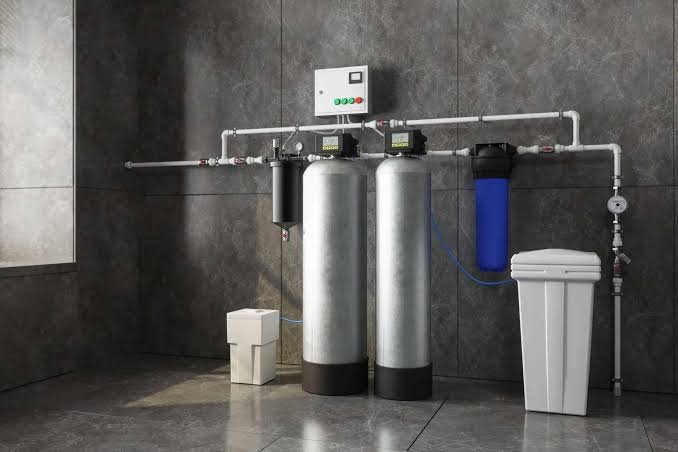
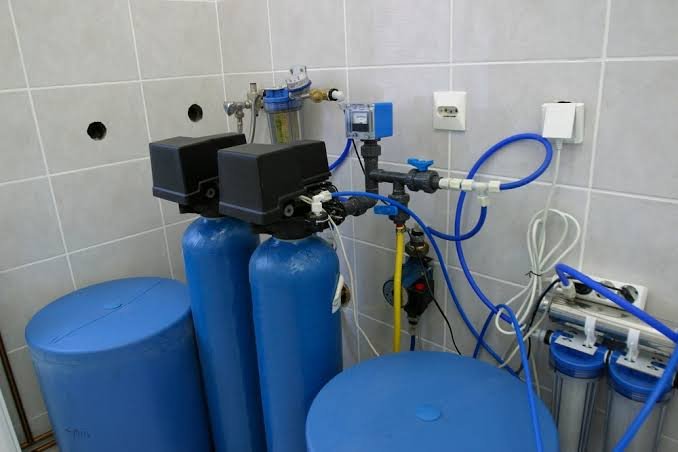
Choosing the right filtration components is not simply about buying a filter and connecting it to a pipe. A dependable system depends on several working parts, including valves, treatment media, filter tanks, control equipment, and regular maintenance. Each component has a role, and overlooking one can affect the performance of the entire setup.
Whether you are improving water quality at home or managing a commercial property, understanding these components can help you make better decisions and avoid unnecessary expense.
Start With the Water Problem
Before selecting equipment, identify what needs to be treated. Water quality varies from one location to another, even between neighboring properties. Municipal water may contain chlorine, sediment, or hardness minerals, while private well water can have iron, manganese, sulfur odors, or other naturally occurring contaminants.
A water test is a sensible first step. It can help reveal whether the main concern is suspended particles, dissolved minerals, unpleasant taste, chemical contamination, or microbial risk. Without testing, it is easy to purchase a system that addresses the wrong issue.
For example, a sediment filter can capture dirt and rust particles, but it will not solve every dissolved-water problem. Likewise, a carbon-based system may improve taste and odor without reducing hardness or certain metals. The treatment method should always match the actual water chemistry.
Why Valves and Accessories Matter
Filtration media often receives most of the attention, but the supporting hardware is just as important. Valves control water flow, regulate treatment cycles, and help direct water through the correct stages. Accessories such as pressure gauges, fittings, bypass assemblies, connectors, and drain lines also contribute to reliable operation.
High-quality control valves & accessories can make a treatment system easier to operate and maintain. A properly functioning control valve may manage backwashing, regeneration, or service cycles automatically, reducing the need for constant manual adjustment.
When choosing valves, consider the system’s flow rate, pressure range, connection size, and treatment process. A valve designed for a small residential softener may not be suitable for a larger commercial filtration unit. Compatibility is important, but so is serviceability. If a component fails, replacement should be reasonably straightforward.
A bypass valve can also be useful. It allows water to flow around the treatment equipment during maintenance or repairs, helping reduce disruption to the property.
Understanding Specialized Ion-Exchange Filters
Some water conditions require more than basic sediment or carbon filtration. Iron, manganese, hardness, and other dissolved substances may need specialized treatment media designed to target them.
Ecomix ion filters are associated with treatment approaches that use specialized media to address certain common well-water concerns. Depending on the formulation and system design, ion-exchange or catalytic media may help reduce issues such as hardness, iron, manganese, and unpleasant odors.
However, no filter media works equally well in every water condition. Performance can depend on pH, contaminant concentration, oxidation state, competing minerals, flow rate, and contact time. A product that performs effectively in one well may require different preparation or supporting treatment in another.
This is why water testing and manufacturer guidance matter. Before installing a specialized filter, confirm the contaminants it is designed to reduce and review any required pretreatment. In some cases, aeration, sediment removal, pH adjustment, or additional filtration may be necessary for consistent results.
Selecting the Right Filter Media
The material inside a filter tank is often the heart of the treatment process. Different media are designed for different purposes, and selecting the wrong type can lead to disappointing performance.
Common examples include activated carbon for taste and odor improvement, sediment media for particle removal, softening resin for hardness reduction, and specialized media for iron, manganese, or other contaminants. Some systems use multiple media layers so that each stage performs a specific task.
When comparing filter media, pay attention to the intended application, operating conditions, service flow rate, backwash requirements, and expected lifespan. The media should also be compatible with the tank, control valve, and water chemistry.
It is tempting to focus only on the purchase price, but the least expensive media may not provide the best long-term value. A product that requires frequent replacement or performs poorly under actual conditions can increase maintenance costs. Consider durability, effectiveness, and availability together.
Think About System Sizing
Correct sizing is one of the most important parts of water treatment design. A system that is too small may struggle during periods of high demand. Water pressure can drop, treatment contact time may be insufficient, and the equipment may require more frequent regeneration or cleaning.
Residential systems should be sized according to household water use, the number of occupants, peak flow demand, and the quality of the incoming water. Commercial systems require an even closer look at operating hours, production needs, water consumption, and possible future expansion.
It is important not to confuse maximum flow rate with ideal operating flow. A system may technically handle a certain volume, but treatment performance can decline if water passes through too quickly. The product specifications should be reviewed carefully rather than relying on a general capacity claim.
Maintenance Keeps Equipment Working
Even a well-designed treatment system needs regular care. Valves may require inspection, tanks may need backwashing, and filter media may eventually become exhausted. Pressure changes, unusual sounds, leaks, or changes in water quality can all indicate that maintenance is overdue.
Create a simple service schedule based on the equipment manufacturer’s recommendations and the property’s actual water conditions. Check connections for leaks, inspect drain lines, monitor pressure, and keep replacement components available when possible.
For systems using specialized media, follow instructions regarding regeneration, backwashing, or media replacement. Skipping these steps may reduce performance and shorten equipment life.
It is also wise to keep records of installation dates and service work. This information becomes especially helpful when troubleshooting or handing maintenance responsibilities to another person.
Avoid Overcomplicating the Setup
More equipment does not always mean better water. Adding unnecessary treatment stages can increase installation costs, water waste, energy use, and maintenance requirements. Every component should serve a clear purpose.
A well-planned system may combine sediment filtration, carbon treatment, softening, specialized media, or ultraviolet disinfection. But the final design should be based on test results and actual water needs rather than a long list of technologies.
The simplest effective system is often the easiest to maintain and the most economical over time.
Making a Confident Treatment Decision
Building a dependable water treatment system requires more than selecting individual products from a catalog. The components must work together as one coordinated setup. Valves need to match the equipment, media must suit the water chemistry, and the system must be sized for real demand.
Start with testing, understand the treatment goal, compare compatible products, and plan for maintenance from the beginning. This approach helps prevent costly mistakes and improves the chances of achieving consistent water quality.
In the end, a successful water treatment system is not defined by how complicated it looks. It is defined by how reliably it performs, how easily it can be maintained, and how well it meets the needs of the people who depend on it every day.