There’s something oddly reassuring about a glass of cold water from the kitchen tap. It’s simple, familiar, and usually taken for granted. But when the water develops a strange taste, leaves an unpleasant aftertaste, or simply doesn’t taste as fresh as it once did, that little glass can become surprisingly important.
For many households, the answer isn’t to filter every drop of water entering the property. Drinking and cooking water have different needs from shower or laundry water. If the main concern is what’s coming from the kitchen faucet, a point-of-use system can be a practical middle ground.
That’s one reason reverse osmosis has become a popular choice. Installed beneath the sink, it can provide highly treated water without turning the entire home into a water-treatment project.
Why Under-Sink Treatment Makes Sense
Most households use far more water for showers, laundry, toilets and cleaning than they do for drinking. Treating the entire supply may therefore be unnecessary when the concern is limited to what you consume.
An under sink reverse osmosis system focuses treatment where it’s needed most. The equipment is typically tucked inside the cabinet beneath the kitchen sink, with treated water delivered through a dedicated faucet.
It can be a neat solution for apartments, houses and other properties where homeowners want better drinking water without installing a large whole-house system.
Of course, cabinet space matters. So does access to plumbing and drainage. Before installation, check that the selected equipment will physically fit and that the connections can be made correctly.
How Reverse Osmosis Works
Reverse osmosis sounds complicated, but the basic idea is fairly straightforward.
Water is pushed under pressure through a semipermeable membrane. The membrane allows water to pass while reducing many dissolved substances. The result is water that has gone through a much finer treatment process than ordinary sediment filtration.
An RO system may also contain several stages before and after the membrane. A sediment filter can help protect the system from particles, while carbon filtration may address certain tastes and odors. A post-treatment stage can further improve the final water.
The exact configuration varies, so it’s worth reading the specifications rather than assuming every RO system works identically.
Filters Do the Quiet Work
The membrane gets most of the attention, but the other filtration stages shouldn’t be overlooked.
Sediment and carbon cartridges protect the membrane and help condition incoming water. Over time, these components collect material and eventually need replacement.
That’s where reverse osmosis filters become part of the everyday maintenance picture. Replacement schedules vary depending on the system, incoming water quality and household usage.
A filter that is overdue for replacement may restrict flow or affect performance. Keeping a simple record of installation and replacement dates can prevent the classic “When did we last change that?” moment.
It takes about thirty seconds to write the date down. Future you will appreciate it.
The Dedicated Faucet Matters
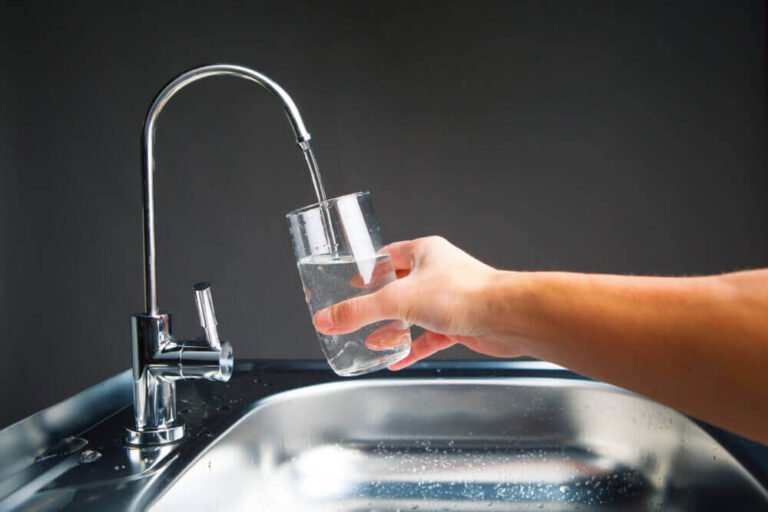
An RO system usually delivers treated water through its own drinking-water faucet rather than sending it through every faucet in the kitchen.
The reverse osmosis faucet is typically mounted near the main kitchen tap and connects directly to the system’s treated-water line.
This arrangement makes the purpose clear. The regular faucet continues supplying the home’s normal water, while the dedicated faucet provides treated water for drinking and cooking.
When choosing a faucet, think about appearance as well as functionality. It will be sitting on the countertop every day, so finding one that fits the kitchen isn’t a trivial detail.
What Can Reverse Osmosis Reduce?
Reverse osmosis can reduce many dissolved substances, but the exact performance depends on the membrane and overall system design.
It’s important not to treat “RO” as a guarantee that every possible contaminant will disappear. Water chemistry, pressure, temperature and membrane condition all affect performance.
Look for specific manufacturer information about what the system has been tested to reduce. If your water has a known issue, compare that concern directly with the system’s capabilities.
This is much more useful than choosing equipment based on a long list of impressive-sounding features.
Start With a Water Test
If you’re considering RO, testing the water first can be a smart move.
A test may reveal hardness, pH, iron, manganese, sediment or other characteristics. Depending on the water source, additional testing may be appropriate.
Testing helps answer a basic question: What actually needs to be treated?
For example, if hardness is the primary household issue, an RO system under the kitchen sink won’t solve scale problems throughout the shower, water heater and laundry system.
You may need a softener or another treatment method for the whole house, with RO reserved for drinking water.
Pressure Can Affect Performance
Reverse osmosis needs adequate pressure to push water through the membrane.
If household pressure is low, the system may produce treated water more slowly than expected. Some homes may require a booster pump or other equipment to achieve suitable performance.
Pressure isn’t the only factor. Water temperature and incoming water conditions also influence production.
This is one reason a professional installation can be useful when the plumbing situation isn’t straightforward. A system should be set up for the actual conditions rather than an idealized specification sheet.
Don’t Forget the Wastewater
RO systems typically send some water to the drain during the treatment process. The exact amount depends on system design and operating conditions.
Efficiency has improved across many modern systems, but homeowners should still ask about recovery rates before purchasing.
If water conservation is important, compare systems carefully. A slightly more efficient design may be worth considering, particularly for households that use the system heavily.
Understanding this part of RO ownership also prevents surprises later.
Tank or Tankless?
Traditional under-sink RO systems often use a storage tank. The tank stores treated water so it’s available when you open the drinking faucet.
Tankless systems take a different approach, producing water on demand and generally requiring less cabinet space. They can be attractive for smaller kitchens, although they may have different installation and electrical requirements.
Neither design is automatically the winner.
Consider your available space, household demand, production rate and budget. If several people regularly fill large bottles throughout the day, storage capacity can become important.
Maintenance Isn’t Optional
Like any water-treatment equipment, RO systems need attention.
Prefilters and postfilters require replacement. The membrane also has a service life. Connections and tubing should occasionally be checked for leaks, and systems may need periodic sanitation depending on their design.
A sudden change in taste is worth investigating. So is noticeably slower production or a drop in water pressure.
The system doesn’t necessarily need replacing just because performance changes. Sometimes a relatively simple maintenance issue is responsible.
Be Careful With Marketing Claims
Some RO products promise exceptionally pure water, effortless operation and almost unlimited filtration performance.
Take a breath before buying.
Read the specifications. Check filter replacement costs. Look at membrane life, water efficiency, required pressure and warranty coverage. Find out whether replacement cartridges are readily available.
A system that looks inexpensive at checkout may cost more over several years if replacement components are unusually expensive.
Think about ownership, not just purchase price.
When RO Is a Good Fit
Reverse osmosis can be a particularly practical choice when the main goal is improving drinking and cooking water.
It can provide treated water at a convenient point without requiring every gallon used by the home to pass through the membrane.
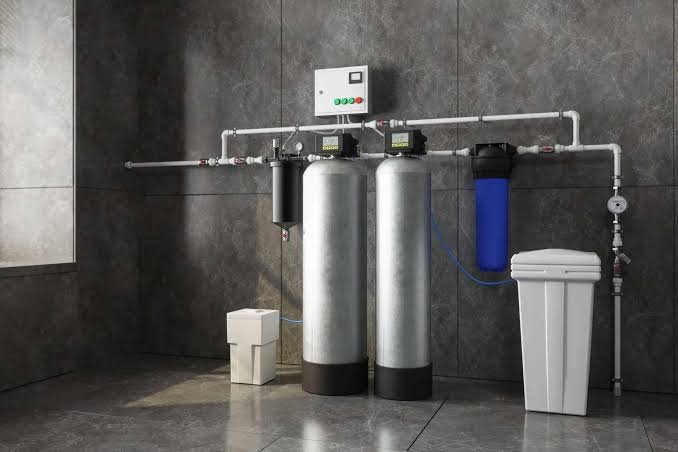
For homes with broader water-quality concerns, however, RO may be only one part of a larger treatment plan. A softener, sediment filter or other equipment might be needed elsewhere.
That’s not a weakness. It’s simply how water treatment works.
Different problems call for different tools.
A Small System Can Make a Noticeable Difference
The best home improvements aren’t always the ones you can see.
An under-sink RO system occupies a small amount of space, works quietly and can become part of the daily routine. Fill a glass. Make coffee. Cook pasta. Fill a reusable bottle before leaving the house.
No fuss.
The important part is choosing the system based on your actual water, maintaining it properly and understanding what it is — and isn’t — designed to do.
When those pieces come together, the result is refreshingly simple: better-tasting water waiting at the kitchen faucet whenever you want it. And sometimes, that’s all a good water-treatment system needs to accomplish.