Water has a way of becoming part of the background. We use it to make tea, wash vegetables, clean the bathroom, and get through the day without thinking much about where it comes from. Then, one morning, the kitchen tap leaves orange marks on the sink, the shower pressure seems weaker, or a glass of water tastes a little different than usual. Suddenly, water quality becomes a real concern.
These problems can have several causes, and the first explanation that comes to mind isn’t always the right one. Mineral deposits, plumbing issues, sediment, and naturally occurring contaminants can all affect water in different ways. Fortunately, understanding the signs and choosing suitable treatment can help homeowners make informed decisions instead of spending money on equipment they may not need.
Start by Paying Attention to the Small Signs
Water problems often show up through everyday details. White residue around faucets may indicate hard water. Brown stains on laundry or bathroom fixtures can be associated with iron, while a rotten-egg odor may point toward hydrogen sulfide. Cloudiness can come from suspended particles, tiny air bubbles, or other conditions that deserve investigation.
Even a change in water flow can provide a useful clue. Sometimes the issue is as simple as sediment collecting in a faucet screen. The small mesh fitting at the end of a tap is called an aerator, and it helps regulate the flow while mixing air into the water. When particles accumulate there, the stream may become uneven or noticeably weaker.
Removing and cleaning a faucet aerator can sometimes resolve a localized flow problem. However, if multiple taps are affected, the cause may lie farther back in the plumbing or water supply. In that situation, cleaning one fitting won’t solve the larger issue.
The key is to notice where and when a problem occurs. Does it happen at every tap? Is it more obvious when using hot water? Did the change appear suddenly, or has it developed over several months? These practical observations can help guide further investigation.
Why Testing Matters More Than Guesswork
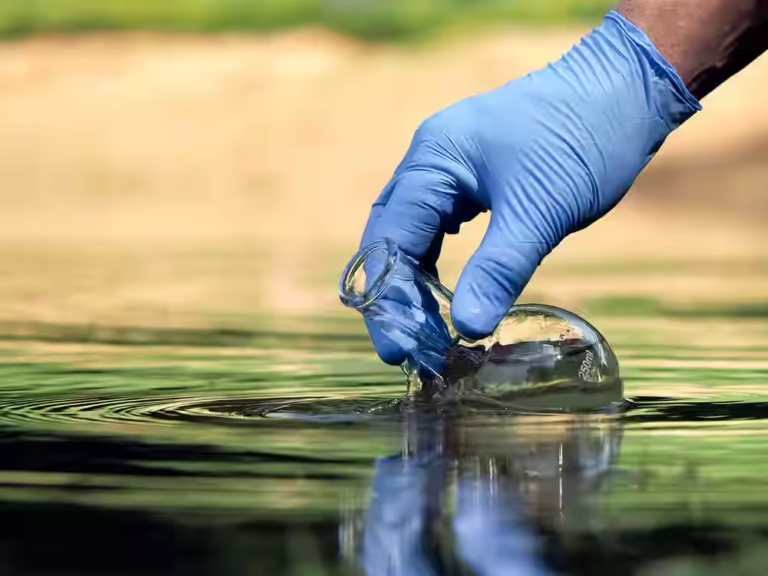
Clear water isn’t necessarily problem-free. Some substances that affect water safety cannot be seen, smelled, or tasted, which is why testing matters even when everything appears normal.
Homes supplied by municipal water can begin by reviewing the local utility’s water quality report. That information describes the utility’s supply, although household plumbing can sometimes introduce additional concerns. Older pipes and fixtures, for example, may affect the water after it enters the property.
Private wells require particular attention because their quality depends on local geology, land use, and the condition of the well itself. Regular testing through a qualified laboratory can help identify bacteria, nitrates, metals, and other substances that basic home test kits may not reliably detect.
Testing is especially important when iron staining, unusual odors, or persistent discoloration appear. These symptoms may suggest a particular issue, but they don’t confirm the cause on their own. A water test provides a better starting point for selecting appropriate treatment.
Dealing with Iron in Household Water
Iron is a common concern in groundwater. It can enter the water naturally as it moves through iron-bearing rocks and soil, and it may also originate from corrosion in plumbing. Depending on its form and concentration, iron can create reddish-brown stains, metallic tastes, or deposits inside plumbing fixtures.
Some iron is dissolved in the water and may not be visible when the water first comes out of the tap. After exposure to oxygen, it can oxidize and form particles that cause discoloration. Other forms of iron may already be present as suspended material.
This difference matters because treatment depends on the form and concentration of the iron, as well as the water’s pH and other chemical characteristics. A sediment filter may capture particles, but it generally won’t remove iron that remains dissolved in the water.
Treatment may involve oxidation followed by filtration, specialized iron-removal media, or another method selected according to test results. The right choice depends on the actual water chemistry rather than the color of the stains alone.
When a Specialized Arsenic Filter Is Needed
Iron isn’t the only naturally occurring substance that can affect groundwater. Arsenic can occur in certain geological formations and may enter private wells as water passes through affected rock and sediment. Long-term exposure to elevated arsenic levels is a serious health concern, yet the water may look and taste completely normal.
For this reason, well owners should test for arsenic when recommended by local health authorities or when regional groundwater information indicates a potential risk. Visual inspection is not a reliable way to identify it.
An arsenic guard is a term that may be used for a specialized treatment product or filtration component designed to reduce arsenic in water. Such products differ in their technology and performance, so the name alone doesn’t establish how effective a particular system will be.
Before choosing one, check whether the product has independent certification or reliable performance data for arsenic reduction under the conditions found in your water. Arsenic can occur in different chemical forms, and not every treatment method works equally well for all of them.
Testing after installation is also important. It helps verify that the equipment is working as expected and that the treated water meets the relevant health guidelines. If arsenic is detected at a concerning level, follow public health guidance about drinking and cooking water while arranging an appropriate solution.
Choosing Equipment That Addresses the Real Problem
A common mistake is assuming one filter can take care of everything. In reality, treatment technologies are designed for specific purposes.
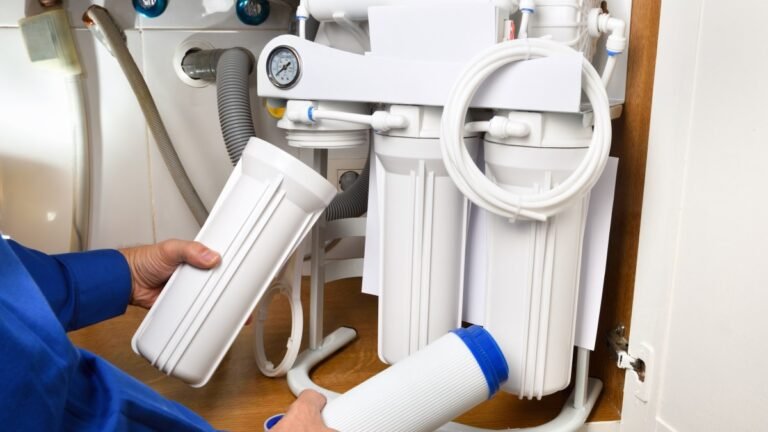
Sediment filters capture suspended particles. Activated carbon filters can improve taste and odor and reduce certain substances, depending on their design and certification. Water softeners primarily address hardness minerals, while reverse osmosis can reduce many dissolved substances when properly selected and maintained.
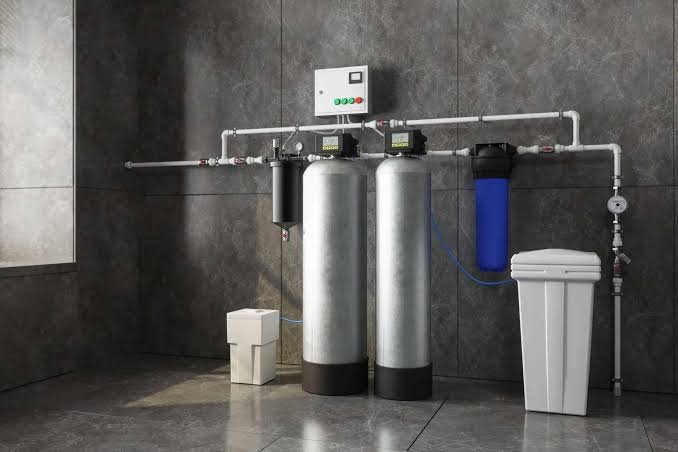
For households dealing with dissolved iron, the treatment approach needs to account for the iron’s concentration and chemical form. Depending on the results, options may include oxidation and filtration, catalytic media, or other specialized equipment. A general-purpose drinking-water filter may not be suitable for treating the entire home’s supply.
If several issues exist at once, a treatment professional may recommend more than one stage. For example, sediment removal might protect downstream equipment, while a separate treatment unit addresses iron or another identified contaminant. Each stage should have a clear purpose.
Before buying, ask what the equipment is designed to remove, how its performance has been verified, and what maintenance it requires. A trustworthy recommendation should be based on test results and practical needs, not broad promises about making every type of water perfect.
Maintenance Is Part of the Solution
Installing treatment equipment is only the beginning. Filters need replacement, media may require servicing, and some systems have specific operating conditions that must be maintained. Neglecting these tasks can reduce performance and make it difficult to know whether the water is still being treated effectively.
Keep records of test results, installation details, and maintenance dates. Follow the manufacturer’s schedule, and arrange repeat testing when the contaminant or treatment method makes it necessary. If the water changes suddenly, investigate rather than assuming the existing equipment will handle the new condition.
Better Water Begins with Informed Choices
Water quality can feel complicated, especially when several possible causes produce similar symptoms. Still, the process doesn’t have to be overwhelming. Pay attention to changes, test the water appropriately, and choose equipment that addresses the specific problem identified.
Whether you’re dealing with stubborn iron stains, an unusual faucet flow, or a concern about naturally occurring contaminants, accurate information is more valuable than guesswork. The most effective treatment isn’t necessarily the biggest or most expensive system. It’s the one that works for your water, fits your household, and can be maintained properly over time.
A little investigation today can prevent unnecessary purchases and help you make more confident decisions about the water your family uses every day.