Clean drinking water is something most of us take for granted. We fill a glass from the kitchen tap, make a cup of tea, or prepare dinner without giving much thought to what might be in the water. Yet water quality can change for several reasons, including aging pipes, local water conditions, storage practices, and problems with treatment equipment. Keeping drinking water safe isn’t necessarily complicated, but it does require a little attention and a few sensible habits.
The good news is that households can take practical steps to improve water quality and reduce avoidable risks. Understanding how filtration works, recognizing when equipment needs attention, and knowing when to seek professional testing can make a real difference.
Why Drinking Water Quality Deserves Attention
Water that looks clear isn’t automatically free from contaminants. Some impurities affect taste, smell, or appearance, while others cannot be detected without testing. Depending on the source, drinking water may contain dissolved minerals, sediment, certain chemicals, or microorganisms that require specific treatment.
Municipal water supplies are generally treated and monitored, but water can still pick up contaminants as it travels through distribution systems or household plumbing. Private wells have different considerations because their safety depends heavily on local groundwater conditions, maintenance, and testing.
That doesn’t mean every glass of water is a reason to worry. It simply means that water quality should be assessed rather than judged by appearance alone. If your water suddenly changes color, develops an unusual odor, or tastes noticeably different, investigate the cause instead of assuming the problem will disappear.
Choosing a Purification Method That Fits Your Home
Water treatment isn’t a one-size-fits-all solution. Different technologies address different concerns, so the right choice depends on what’s actually present in the water.
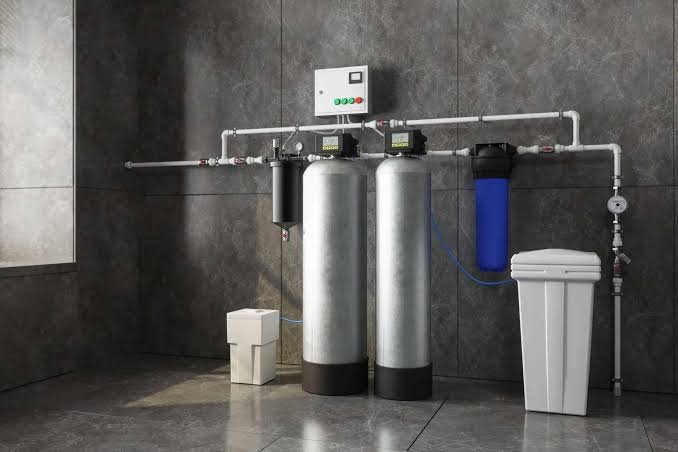
Activated carbon filters, for example, can improve taste and reduce certain chemical compounds, including chlorine in many applications. Sediment filters help capture suspended particles, while reverse osmosis systems can reduce a range of dissolved substances when properly designed and maintained. Ultraviolet treatment is another option for controlling susceptible microorganisms, although it doesn’t remove dissolved chemicals or particles.
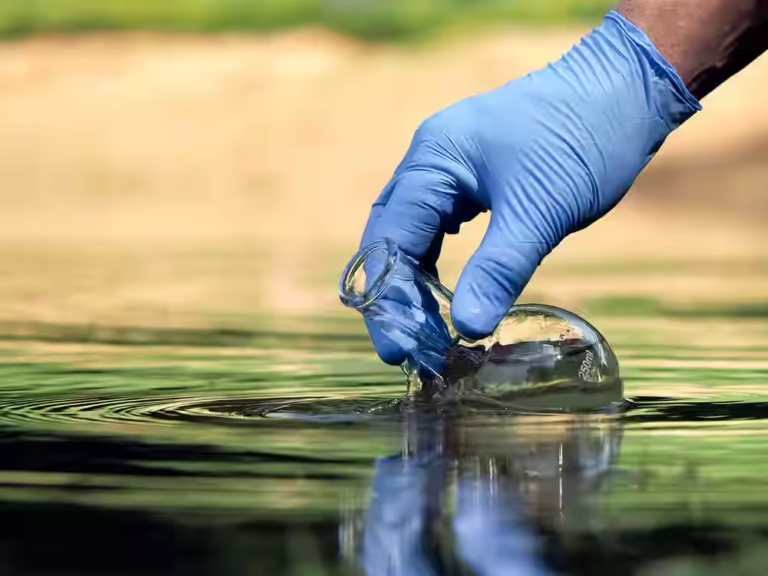
Before purchasing equipment, consider getting your water tested. A test can help identify the issues that need attention and prevent you from spending money on features that aren’t necessary.
A drinking water purification system should be selected according to the quality of your source water, the contaminants you want to reduce, and the manufacturer’s verified performance claims. Check whether the product has been independently certified for the specific contaminants of concern. A filter that performs well for chlorine, for instance, shouldn’t automatically be assumed to remove lead, nitrates, or microorganisms.
It’s also worth thinking about daily use. A household with several people may need a system with greater capacity than a small apartment. Installation space, water pressure, maintenance costs, and replacement-part availability all matter once the initial purchase is behind you.
The Small Maintenance Tasks That Make a Big Difference
Even good equipment can become less effective when it isn’t maintained properly. Filters collect material over time, and their performance may decline as they approach the end of their useful life. Some systems also have components that need periodic cleaning or replacement.
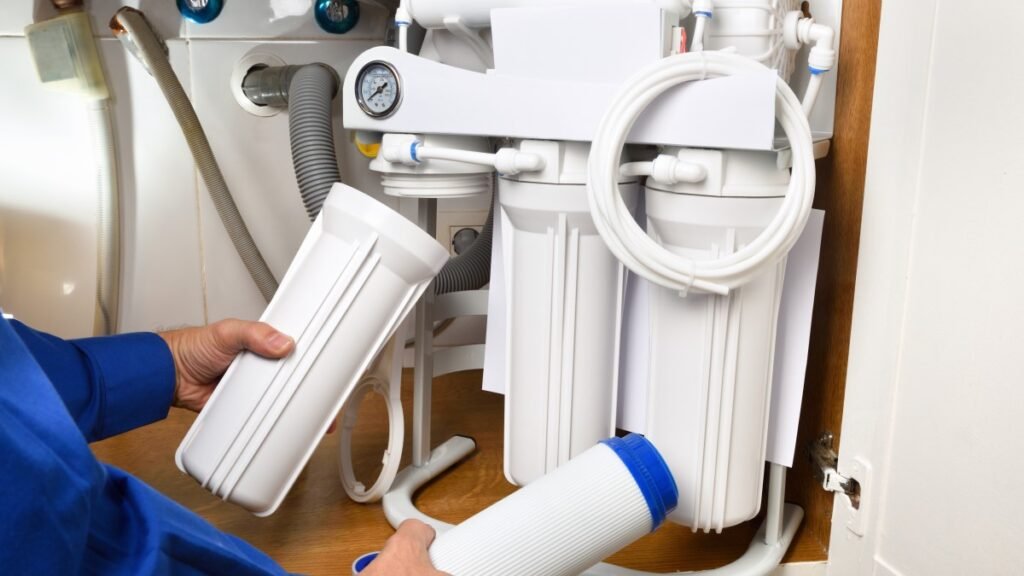
Following routine filter replacements is one of the simplest ways to keep filtration equipment working as intended. Replacement intervals vary by model, water quality, and daily consumption, so follow the manufacturer’s instructions rather than relying on a universal schedule. If your household uses more water than average, certain filters may need attention sooner.
Don’t ignore warning lights, reduced flow, unusual noises, or changes in taste. These signs don’t always mean the water is unsafe, but they can indicate that the equipment needs inspection. Keep a simple record of installation dates and filter changes; a note on your phone is often enough.
Cleaning is important, too. Follow the manufacturer’s directions for reservoirs, taps, dispensers, and other accessible components. Avoid using household chemicals or cleaning methods that aren’t approved for the equipment, since residues can create a separate problem.
Can Household Plumbing Affect Water Safety?
Sometimes the concern isn’t the water treatment equipment at all. Plumbing can influence the quality of water delivered to your glass, especially in older buildings or properties with neglected pipes.
Lead is a particular concern because it can enter drinking water through certain plumbing materials and service lines. It cannot be reliably detected by looking at or tasting the water. If your property has older plumbing, contact your local water provider or a qualified professional to understand whether testing or plumbing improvements are recommended.
Stagnant water may also pick up metals from plumbing materials. Where local guidance recommends it, running cold water for a short period after water has been sitting in pipes can help reduce exposure. The appropriate approach depends on the plumbing and local conditions, so follow advice from your water authority rather than applying the same rule everywhere.
Use cold water for drinking and cooking when lead exposure is a concern. Boiling water does not remove lead and can concentrate some dissolved contaminants as water evaporates. If contamination is suspected, testing and a suitable corrective measure are more reliable than guesswork.
Understanding the Risks from Microorganisms
Microbial contamination is another reason water safety deserves attention. Bacteria, viruses, and parasites can enter water through sewage contamination, damaged infrastructure, or problems affecting private wells. The likelihood varies considerably by location and circumstances.
You generally cannot tell whether there is bacteria in your drinking water simply by examining it. Water may look and smell normal even when harmful microorganisms are present. If a local authority issues a boil-water advisory, follow its instructions carefully and use safe water for drinking, brushing teeth, preparing food, and other activities specified in the notice.
For private wells, regular testing is particularly important. Testing schedules should reflect local recommendations, nearby land use, flooding events, and the condition of the well. A well should also be inspected when there is a sudden change in water quality or after an incident that could allow surface water to enter.
Different treatment methods address microbial risks in different ways. Boiling can inactivate many disease-causing organisms when performed correctly, while properly designed disinfection systems may offer ongoing treatment. However, no single device should be assumed to solve every water-quality problem.
Store Drinking Water Carefully
Safe water can become contaminated if it’s stored in an unclean container. Use food-grade containers with secure lids, wash them before refilling, and avoid dipping hands or used cups into stored water. Keep containers away from cleaning products, fuels, and direct sources of contamination.
If you store emergency drinking water, label the containers with the filling date and follow public-health guidance on storage duration and replacement. Commercially bottled water should be stored according to the instructions on its packaging. After floods or other emergencies, don’t assume that previously stored water remains safe if its container has been damaged or exposed to contaminated water.
A Practical Approach to Better Water
Protecting drinking water doesn’t require a complicated routine or the most expensive equipment on the market. It starts with understanding your water source, investigating unusual changes, choosing treatment based on evidence, and maintaining equipment according to its instructions.
Testing is especially valuable when the source is a private well, plumbing is old, or contamination is suspected. For municipal supplies, local water-quality reports can provide useful background, although household plumbing may require separate attention.
Most importantly, don’t treat filtration as a substitute for identifying the problem. A well-chosen filter, a clean storage container, and timely maintenance can all support better water quality, but each has a specific role.
Water is part of nearly everything we do at home. Giving it a little attention is a modest habit with lasting value. When you know where your water comes from and take sensible steps to protect it, you can make more confident decisions about what goes into your glass every day.