Water is one of those things we rarely think about until something goes wrong. A strange taste shows up in the morning coffee. White scale appears around the faucet. Clothes come out of the washing machine feeling a little rough, or an appliance that should have lasted years starts needing attention much sooner than expected.
These little frustrations can add up. And because water behaves differently from one property to another, finding the right treatment isn’t simply a matter of buying the most advanced-looking equipment on the shelf.
The smarter approach is to look at the water itself, understand how the property uses it, and then build a treatment plan around those details.
Start With What Your Water Is Actually Doing
Before choosing equipment, pay attention to the signs.
Do you notice mineral deposits? Is there an unpleasant smell? Does the water leave stains on sinks or glass? Maybe the problem is less obvious, such as frequent plumbing maintenance or unusually high soap consumption.
These observations don’t tell the whole story, but they’re useful clues.
Water testing fills in the missing pieces. A proper test can help identify hardness, pH, dissolved substances, chlorine-related concerns, iron, and other characteristics depending on the source and testing method.
It’s tempting to skip this step and go straight to a product recommendation. Honestly, though, that’s where many unnecessary purchases begin.
Residential Water Needs Can Be Surprisingly Different
Even homes on the same street don’t necessarily have identical water concerns. Plumbing materials, household size, water usage, and individual preferences all play a role.
A family of five using several bathrooms throughout the day may have very different flow and capacity requirements than someone living alone.
This is where properly designed residential solutions become useful. Instead of treating every home as if it has the same problem, a customized approach considers the property’s water source, usage patterns, available space, and the issues homeowners actually want to address.
Sometimes the answer is a relatively simple filter. In another home, a softener or drinking-water system may make more sense.
Hard Water Deserves Special Attention
Hard water is incredibly common, and it’s often more annoying than alarming.
Calcium and magnesium are the primary minerals responsible for hardness. They can form scale on fixtures and inside plumbing equipment, especially where heated water is involved.
You may notice spots on dishes, buildup around showerheads, or a chalky ring around faucets. Soap and shampoo can also behave differently in hard water.
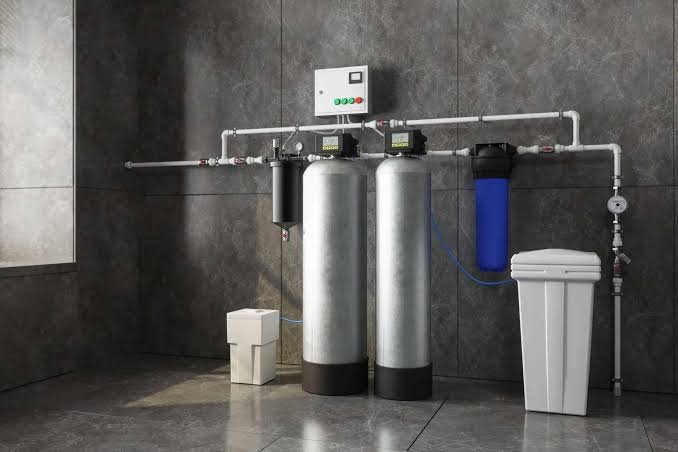
A softener can help reduce hardness, but it should be selected according to the household’s actual water demand. Oversizing isn’t automatically better. In fact, equipment that’s poorly matched to a home can mean unnecessary expense and less efficient operation.
Commercial Properties Have a Different Set of Priorities
Businesses tend to use water in more complicated ways.
A restaurant may rely heavily on water for food preparation, cleaning, dishwashing, and equipment. A hotel has showers, laundry facilities, kitchens, and dozens or hundreds of guests using water throughout the day. An office building may have less intensive consumption but still need dependable water quality for employees and visitors.
That’s why commercial water systems often require more careful planning than a basic residential setup.
Capacity, flow rate, operating schedules, maintenance access, and the consequences of downtime all matter. A system that performs well in a small house may not be appropriate for a busy commercial property.
The goal isn’t simply to treat more water. It’s to treat the right amount consistently.
Think About What Happens During Peak Demand
Average daily usage can be useful, but peak demand tells another story.
Imagine a household where two showers are running while the washing machine starts and someone turns on a faucet. Or picture a business during its busiest hour, when multiple fixtures and appliances are operating simultaneously.
Treatment equipment needs to keep up.
If the system can’t handle the flow, water pressure may suffer or the treatment process may not perform as intended.
When discussing options with a professional, ask about flow rates and peak demand. These technical details might sound dry, but they can make a noticeable difference in everyday use.
Don’t Forget Drinking Water
Whole-property treatment and drinking-water treatment aren’t always the same thing.
Some homeowners want improved water throughout the house, while others are mainly concerned about what comes from the kitchen tap.
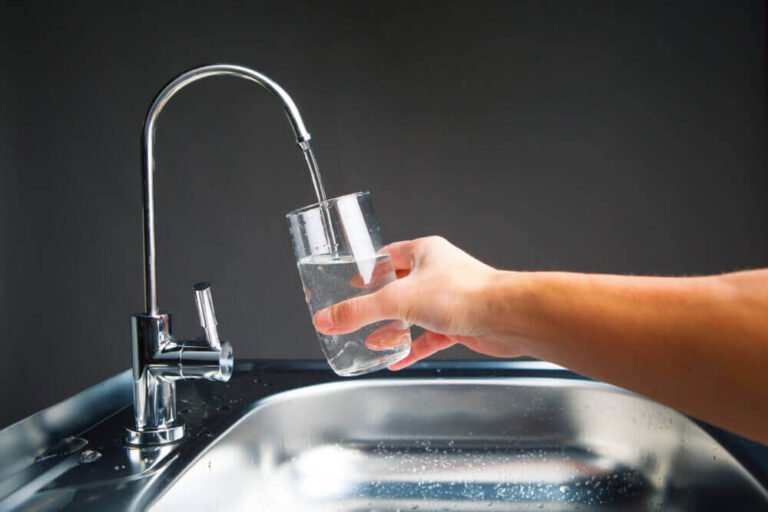
A point-of-use filtration system or reverse osmosis setup may be appropriate for specific drinking-water goals. Meanwhile, a whole-home filter or softener may address broader concerns.
The important part is knowing what each system is designed to accomplish.
There’s no prize for having the longest equipment list. A focused setup that solves the actual problem is usually easier to maintain and understand.
Maintenance Is Part of the Purchase
It’s easy to focus on the installation price and forget what happens afterward.
Filters need replacement. Salt-based systems need supplies. Valves and connections can require inspection. Certain components have predictable service intervals.
If ongoing care is ignored, performance can gradually decline.
For properties that use salt-based treatment, a dependable salt delivery service can make routine maintenance less of a chore. Instead of realizing at the worst possible moment that the supply is running low, scheduled delivery can help keep the system ready to operate.
It’s a small practical detail, but sometimes those are the things that make a system easier to live with.
Installation Quality Matters More Than Most People Expect
A quality treatment unit installed poorly can create headaches.
The system needs appropriate plumbing connections, sufficient space, proper drainage where required, and easy access for maintenance. Depending on the equipment, electrical requirements and water pressure may also need attention.
Installation should also account for how the property may change.
If you’re remodeling a utility area, adding another bathroom, or expanding a business, tell the installer. Future plans can influence equipment sizing and placement.
A little planning now can prevent an expensive rearrangement later.
Ask Better Questions Before You Buy
When comparing treatment options, don’t only ask, “How much does it cost?”
Ask what the system is intended to address. Ask how often filters or components need service. Ask what happens if the system stops working. Find out whether maintenance is straightforward and whether replacement parts are readily available.
And perhaps most importantly, ask what the system does not address.
That last question is often overlooked. Every treatment technology has a purpose and limitations. Understanding both gives you a much more realistic picture of what you’re buying.
Keep an Eye on Changing Water Conditions
Water quality isn’t necessarily frozen in time.
Municipal sources can change. Private wells can experience seasonal differences. Plumbing can age. Renovations can alter household demand.
If you notice a new taste, odor, discoloration, or buildup after your treatment system has been working normally for years, don’t simply assume the equipment has failed.
Test the water again.
Sometimes the water has changed. Sometimes a filter needs replacing. Sometimes there’s a plumbing issue somewhere else.
Finding the cause is much more useful than guessing.
A Good System Should Make Life Easier
The best water treatment setup isn’t necessarily the most expensive or complicated one. It’s the one that fits the property, addresses the right concerns, and remains practical to maintain.
For homeowners, that might mean softer water and cleaner fixtures. For businesses, it could mean reliable water quality, predictable maintenance, and equipment capable of handling demanding schedules.
Either way, the process starts with understanding the water rather than making assumptions about it.
Good treatment is ultimately about making everyday life a little easier. Fewer deposits to scrub, fewer surprises with appliances, better-tasting drinking water, or simply more confidence in what’s coming from the tap.
That may not sound glamorous. It doesn’t need to be.
When a water treatment system quietly does its job day after day, that’s often the clearest sign that the decision behind it was a good one.