There’s something reassuring about turning on a faucet and seeing clear water pour into a glass. We tend to trust what looks clean. But with private well water, appearances can be misleading. Water can look perfectly ordinary while containing minerals, microorganisms, or other substances that deserve attention.
That doesn’t mean well water is automatically unsafe. Plenty of homes rely on wells every day without major problems. The important difference is that private well owners generally need to take a more active role in understanding and maintaining their water supply.
A strange smell, staining around fixtures, cloudy water, or a sudden change in taste is worth investigating. Even when nothing seems wrong, periodic testing can provide useful reassurance and establish a baseline for future comparison.
Why Well Water Can Change
Groundwater travels through soil and rock before reaching a well. Along the way, it can pick up naturally occurring minerals and, depending on local conditions, other substances.
Seasonal weather can also influence groundwater. Heavy rainfall, flooding, nearby construction, agricultural activity, or changes around the well can affect water quality.
That’s why a water test from several years ago shouldn’t necessarily be treated as a permanent certificate of quality. Conditions can change.
Think of testing as a snapshot. Taking those snapshots periodically helps you understand the bigger picture.
Microorganisms Are One Reason Testing Matters
One of the more important concerns with private wells is microbial contamination. Certain microorganisms can enter groundwater from surface runoff, septic systems, animal waste, or problems with the well structure.
Bacteria may not change the appearance, taste, or smell of water, which makes visual inspection an unreliable way to determine whether microbial contamination is present.
Testing is therefore important, particularly when a well is new, after flooding, following repairs, or when there has been a noticeable change in water quality.
If a test indicates contamination, don’t rely on a generic filter. The appropriate response depends on the organism involved and the circumstances. Professional guidance may be necessary to identify the source and determine suitable treatment.
Iron Can Leave a Very Noticeable Signature
Some well-water problems are much easier to see.
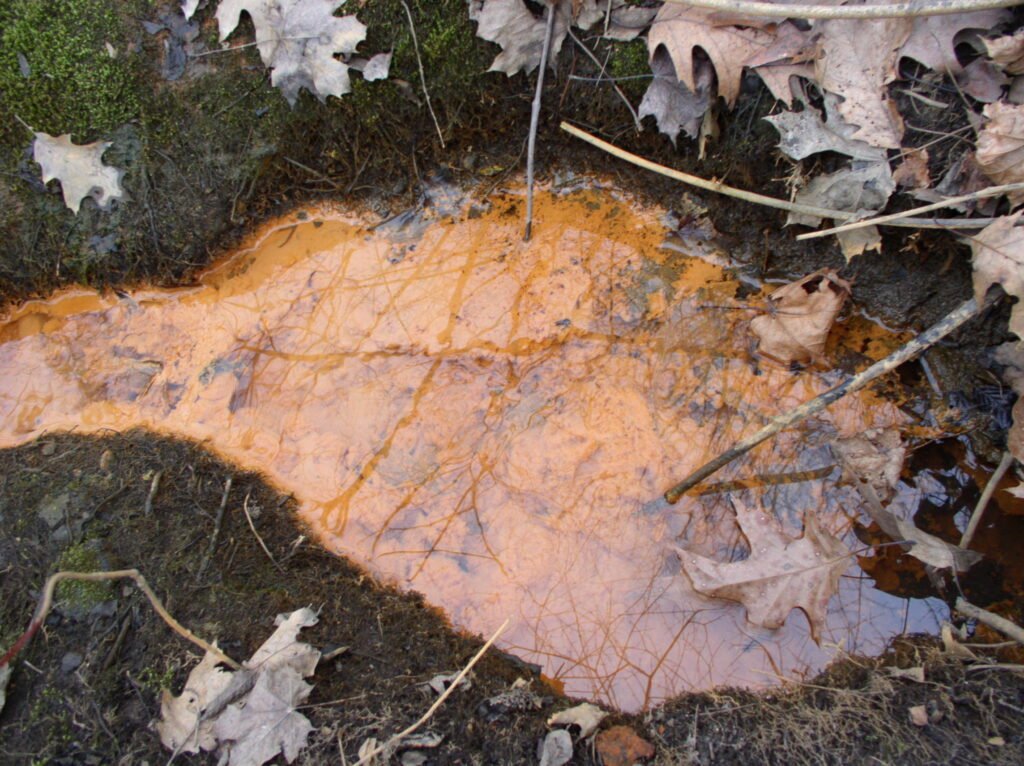
Iron is a good example. Elevated iron can cause orange, reddish, or brown staining around sinks, toilets, tubs, and laundry fixtures. Water may also have a metallic taste or produce deposits under certain conditions.
Iron isn’t always present in the same form. Dissolved iron and particulate iron can behave differently, which affects treatment choices.
That’s why simply buying an “iron filter” isn’t always enough. A proper water analysis can help determine concentration, pH, and other characteristics that influence how effectively a treatment system will work.
Sometimes the solution involves oxidation and filtration. In other cases, specialized media or another treatment method may be appropriate.
Manganese Can Be More Subtle
Another naturally occurring mineral that can affect some groundwater supplies is manganese.
At elevated levels, manganese can contribute to dark staining and deposits, sometimes appearing black or brown on fixtures and plumbing. It can also affect taste and create maintenance problems.
Like iron, manganese treatment depends on water chemistry and concentration. The pH and oxidation conditions can influence which treatment approach performs effectively.
This is a good example of why water treatment shouldn’t be based on color alone. A stain may tell you that something is happening, but testing tells you what you’re actually dealing with.
Not Every Stain Has the Same Cause
A white crust around a faucet often points toward hardness minerals. Orange staining may suggest iron. Dark staining can sometimes be associated with manganese.
But these clues aren’t definitive diagnoses.
Several water characteristics can occur together, and some conditions can produce similar symptoms.
If you’re seeing recurring staining throughout the house, consider testing rather than trying a succession of products from the hardware store.
Otherwise, you may spend money treating the wrong thing.
A little information at the beginning can save a lot of frustration later.
Sulfur Odor Can Make Good Water Hard to Enjoy
That unmistakable rotten-egg smell is one of the most common complaints associated with certain well-water conditions.
Hydrogen sulfide can create a strong odor, sometimes noticeable only in hot water and sometimes present throughout the house. The source can vary, so identifying the cause is important.
Treatment options may include aeration, oxidation, filtration, chemical treatment, or combinations of these methods.
The right approach depends on concentration and overall water chemistry.
If the odor suddenly appears or becomes much stronger than usual, investigate rather than assuming it’s simply a harmless quirk of the well.
Water Hardness Can Affect the Whole House
Hard water is another common groundwater concern.
Calcium and magnesium can accumulate on fixtures, appliances, and plumbing. You may notice spots on glassware, reduced soap lather, dry-feeling skin, or scale inside water heaters and other equipment.
A water softener can reduce hardness, but it’s important to remember that softening addresses hardness—not every possible water-quality concern.
If a home has hardness plus iron, sulfur odor, sediment, or another issue, the treatment system may need several components.
Again, testing provides the roadmap.
Protecting the Well Is Just as Important as Treating the Water
Treatment equipment can’t compensate for every well problem.
The well itself should be maintained appropriately, and the area around it should be protected from obvious sources of contamination. Damaged caps, poor drainage, or surface water entering the well can create serious problems.
Keep records of testing, repairs, and maintenance. If you have recently experienced flooding or other environmental changes, consider whether additional testing is appropriate.
Prevention isn’t glamorous, but it tends to be cheaper than dealing with a major water-quality problem later.
Choose Treatment Based on the Actual Water
One of the biggest mistakes homeowners make is purchasing a system because it worked for someone else.
Your neighbor’s well may be completely different.
Groundwater chemistry can vary dramatically even across relatively short distances. A treatment system that works beautifully in one property may be unnecessary—or ineffective—at another.
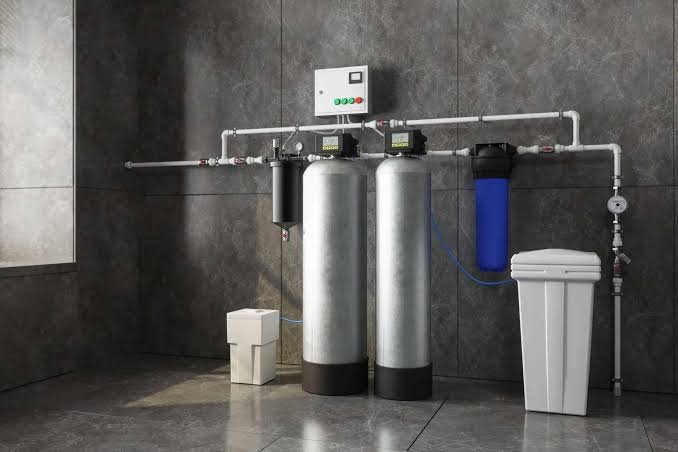
A complete water analysis can help determine which technologies make sense. Depending on the results, treatment might include sediment filtration, carbon filtration, softening, oxidation, ultraviolet disinfection, reverse osmosis, or specialized media.
There isn’t one machine that handles everything.
Maintenance Keeps Treatment Effective
Installing a treatment system is only the beginning.
Filters need replacement. Media eventually needs servicing or replacement. Ultraviolet lamps have service intervals. Softener components require maintenance. Pumps and valves can wear.
Skipping routine maintenance can reduce treatment performance while leaving the equipment looking perfectly normal.
Create a simple schedule and keep it somewhere you’ll actually see it. A reminder on your phone is often enough.
And if the water changes again, don’t ignore it just because the treatment equipment is still running.
Testing Turns Uncertainty Into Information
Private well ownership comes with a certain amount of responsibility, but it doesn’t have to be overwhelming.
Start with regular testing and learn what is normal for your water. Pay attention to changes in taste, smell, appearance, and staining. Keep the well and treatment equipment maintained.
If testing reveals a problem, choose a treatment method designed for that specific condition.
Most importantly, don’t let a mysterious water issue turn into years of guesswork.
Clear water isn’t necessarily perfect water, and unusual water isn’t necessarily a disaster. Often, the answer is simply a matter of understanding what’s in it and responding appropriately.
Once you know what your well water contains, the path forward becomes much clearer. And that knowledge is one of the best tools a homeowner can have.