There’s a funny thing about water: when it tastes good, you barely notice it. You fill a glass, take a drink and carry on. But when it tastes strongly of chlorine, seems slightly metallic, or has a strange aftertaste, suddenly every sip gets your attention.
And that’s often when people start looking more closely at their home’s water.
Taste and odor don’t tell the whole story of water quality, of course. Still, they can influence how much water people drink, whether they choose bottled water instead, and even how they enjoy everyday things like coffee, tea and cooking.
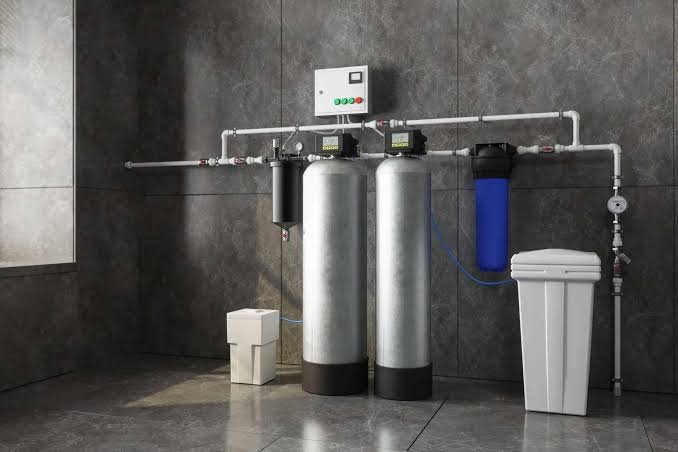
A well-chosen drinking-water treatment system can help address certain taste and odor concerns. More importantly, understanding why the water tastes the way it does can help you choose a solution without buying equipment you don’t really need.
Your Water Has a Story
Water doesn’t arrive at your kitchen faucet in exactly the same condition it had at its source.
Municipal water may be treated with disinfectants before traveling through miles of distribution piping. Well water can pick up minerals as it moves through underground rock and soil. Household plumbing can also influence the water by the time it reaches the tap.
That’s why two homes in the same neighborhood can sometimes have noticeably different experiences.
A sudden change in taste or smell is worth paying attention to, particularly if it persists. It doesn’t automatically mean something dangerous has happened, but it can be a reason to investigate.
Taste Matters More Than People Think
Most people don’t describe water as having a “flavor” in the same way they describe food. Yet our senses are surprisingly sensitive to subtle changes in drinking water.
A chlorine note might make someone reach for a bottled drink. A metallic taste can make plain water unpleasant. An earthy character may cause the whole family to avoid the kitchen tap.
Filtration designed for taste and odor can sometimes provide enhanced flavor & aroma, making water more pleasant for drinking and cooking.
And that can have an unexpected benefit: when water tastes good, people may be more inclined to choose it throughout the day.
Coffee and Tea Reveal Water Quality Quickly
If you’re a coffee drinker, you’ve probably noticed how much water matters.
Coffee is mostly water, after all. So if the water contains strong tastes or odors, those characteristics can become part of the finished cup.
Tea can be just as revealing. Delicate varieties may show differences that aren’t obvious when you’re simply drinking a glass of cold water.
This doesn’t mean you need an elaborate treatment system to make a better cup of coffee. Sometimes a simple carbon filter is enough to address the characteristics you’re noticing.
The trick is knowing what you’re trying to improve.
Don’t Mistake Taste for Safety
Here’s where a little caution is important.
Good-tasting water isn’t automatically safer water, and bad-tasting water isn’t automatically unsafe.
Some substances have no noticeable taste or smell at typical concentrations. Meanwhile, harmless minerals or treatment-related characteristics can make water taste different.
If your concern is safety rather than flavor, testing is the sensible starting point.
A water analysis can help identify specific characteristics and contaminants, depending on the type of test performed. Once you have reliable information, treatment can be chosen around an actual need instead of a vague worry.
Bottled Water Isn’t Always the Easy Answer
When tap water tastes unpleasant, bottled water seems like the obvious solution.
It’s convenient, no doubt. Grab a bottle, twist the cap and you’re done.
But buying bottles over and over can become expensive, especially for families. You also have to store them, carry them home and remember to recycle or dispose of the containers.
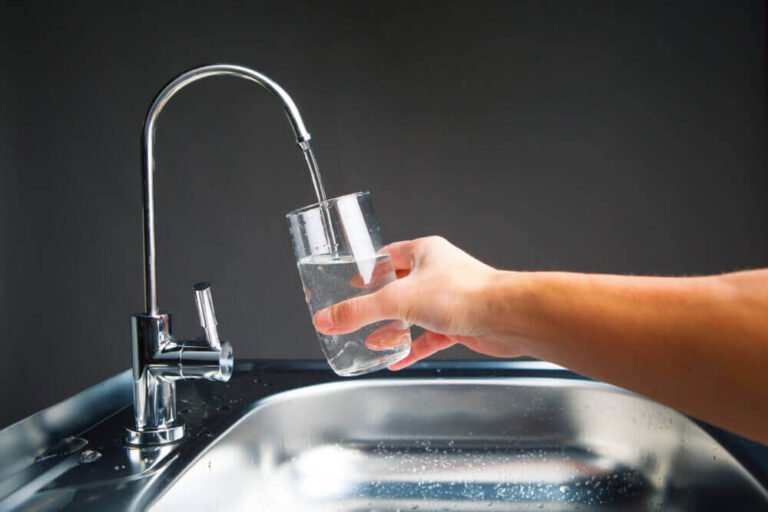
A home filtration system can provide another option for households that want better-tasting tap water without depending as heavily on packaged water.
The right choice depends on your budget, water quality and preferences.
There Can Be Real Cost Savings
The financial side of water treatment isn’t always obvious at first.
A filtration system has an upfront cost, and filters need to be replaced. So it’s important not to assume that treatment will automatically save every household money.
However, if your family regularly buys bottled water because of taste or odor concerns, reducing that dependence can create cost savings over time.
The amount varies widely. A single person who buys a few bottles a week will have a different calculation from a household that goes through several cases every month.
Do the math based on your actual habits. That’s more useful than a generic savings claim.
The Environmental Side Is Worth Considering
There is another reason some homeowners prefer treating water at home.
Single-use beverage containers require raw materials, manufacturing, transportation and disposal. Recycling can help, but it doesn’t make the entire process disappear.
Reducing reliance on packaged drinking water may therefore lower a household’s environmental impact, particularly when filtration makes tap water pleasant enough to drink regularly.
That doesn’t mean bottled water has no place. It’s useful during travel, emergencies and situations where safe tap water isn’t available.
But for everyday drinking at home, filtered tap water can be a practical alternative for many families.
Choose Filtration Based on the Problem
Not every filter is designed to improve taste in the same way.
Activated carbon is commonly used for certain chlorine and organic compounds associated with taste and odor. Other systems use different media or treatment processes for specific water characteristics.
Reverse osmosis can provide more extensive treatment of dissolved substances, but it may be unnecessary if your only concern is a mild chlorine taste.
More treatment isn’t automatically better.
The goal is to use the right technology for the actual issue.
Testing Takes the Guesswork Out
A water test can be particularly helpful if you’re unsure whether taste is caused by minerals, disinfectants, sediment or something else.
For private well owners, regular testing is important because groundwater characteristics can change. Even municipal water users may want to investigate if the water suddenly tastes different from what they’re accustomed to.
Testing also gives you useful information when speaking with a water-treatment professional.
Instead of saying, “The water tastes funny,” you can discuss specific results and possible solutions.
That makes the conversation much more productive.
Maintenance Keeps the Flavor Consistent
A filtration system isn’t a “set it and forget it” appliance.
Filters eventually need replacement. As media becomes saturated, performance can decline, and the taste you’re trying to improve may slowly return.
Keep track of replacement schedules and follow the manufacturer’s recommendations.
It’s also worth paying attention to changes in taste after installation. If the water suddenly smells or tastes different, don’t simply assume the filter needs changing. Check the system and, if necessary, have the water evaluated again.
Better Water Can Change Daily Habits
There’s something appealing about making a simple glass of tap water your default drink.
No trip to the store. No case of bottles taking up half the pantry. No hesitation when you fill the kettle for coffee.
Of course, taste is only one part of the equation. Water safety, mineral content and household needs all matter.
The smartest approach is to start with what you know. Test when appropriate, identify the specific concern and select treatment technology designed for that concern.
You don’t need to chase perfect water.
You just want water that tastes good, works well for cooking and drinking, and fits naturally into your everyday routine.
Sometimes a small change at the kitchen faucet can make a surprisingly noticeable difference. And once your water tastes right, you may wonder why you put up with the strange taste in the first place.