Clean drinking water is something most people expect to have at home without giving it much thought. Turn on the tap, fill a glass, and carry on. But when water develops an odd taste, leaves behind mineral residue, or raises concerns about dissolved impurities, the simple act of drinking water can suddenly feel less straightforward.
Reverse osmosis has become a popular solution for homeowners who want to improve the quality and taste of their drinking water. Unlike basic filters that mainly target odors or visible particles, reverse osmosis systems are designed to reduce many dissolved substances through a specialized filtration process. The technology can sound complicated at first, but its basic purpose is quite simple: separate cleaner water from unwanted impurities.
Understanding how the process works, what components are involved, and what maintenance is required can help homeowners decide whether this type of system makes sense for their kitchen.
The Science Behind Reverse Osmosis
Reverse osmosis is based on the natural process of osmosis, where water moves through a membrane from an area with fewer dissolved substances toward an area with more. Reverse osmosis uses pressure to push water in the opposite direction.
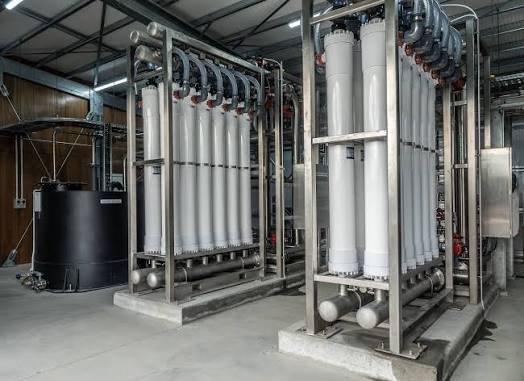
The water is forced through a membrane that allows water molecules to pass while reducing many dissolved contaminants. These semi-permeable membranes are the central component of the system. Their tiny openings are designed to block or reduce substances that are much larger than water molecules, including certain salts, metals, and other dissolved compounds.
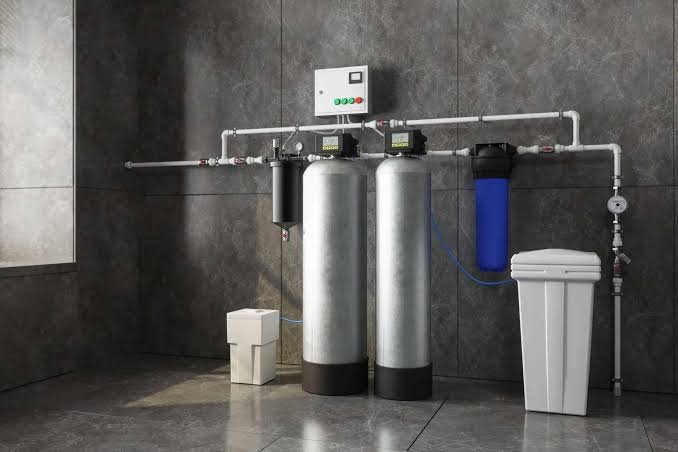
The membrane doesn’t work alone, though. A complete system usually includes prefilters and a final polishing filter to protect the membrane and improve the finished water’s taste. Each stage has a specific purpose, and the system performs best when all components are maintained properly.
Why Multiple Filtration Stages Matter
Most household reverse osmosis systems use several filtration stages. The exact configuration varies, but the purpose is generally to protect the membrane while improving water quality step by step.
The first stage is often a sediment filter. It captures particles such as sand, dirt, rust, and other suspended material. Without this stage, sediment could clog the system or reduce water flow.
The second stage is commonly an activated carbon filter. This filter helps reduce chlorine, unpleasant odors, and certain organic compounds. Removing chlorine before water reaches the membrane is important because chlorine can damage some types of reverse osmosis membranes.
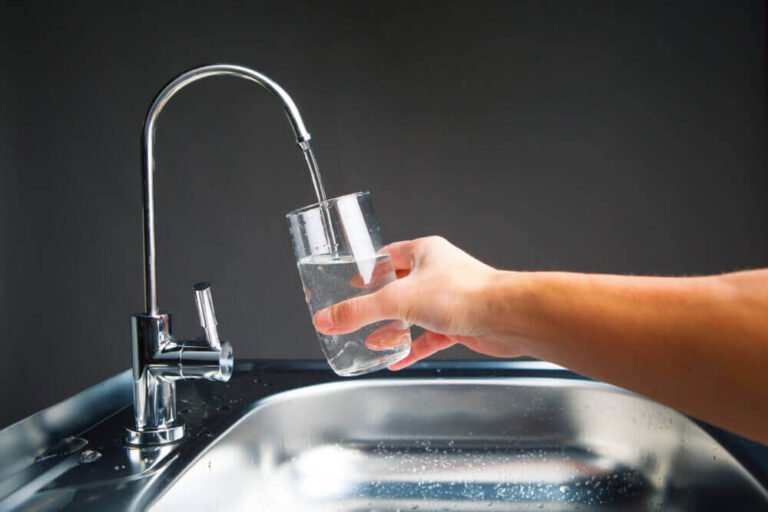
The central stage is the reverse osmosis membrane itself. It reduces many dissolved substances that ordinary carbon filters cannot effectively remove. Finally, a post-carbon filter may improve taste just before the water reaches the dedicated faucet.
A three or four-stage water filtration setup is often enough for many residential drinking-water applications, although the ideal configuration depends on the source water and the contaminants being addressed. More stages are not automatically better. The important question is whether each stage serves a useful purpose.
What Reverse Osmosis Can Reduce
Reverse osmosis is known for reducing a wide range of dissolved substances. Depending on the system’s design and certification, it may reduce contaminants such as lead, arsenic, fluoride, nitrates, sodium, and certain dissolved solids.
However, homeowners should avoid assuming that every reverse osmosis system performs identically. Reduction rates depend on membrane quality, water pressure, temperature, maintenance, and the concentration of substances in the incoming water.
A system should also be selected according to verified performance claims. Independent certifications can provide more useful information than vague statements such as “purifies everything” or “removes all impurities.” No household water-treatment device should be expected to solve every possible water-quality issue.
For example, reverse osmosis is not a substitute for proper disinfection when untreated water may contain harmful microorganisms. A private well may require additional treatment, depending on laboratory results. Testing the water is the most reliable way to determine what kind of treatment is necessary.
The Role of Water Pressure
Water pressure is a key factor in reverse osmosis performance. The system needs sufficient pressure to push water through the membrane effectively. If pressure is too low, filtration may slow down, water production may decrease, and the system may send more water to the drain.
Homes with low incoming pressure may need a booster pump. This component can improve system performance and help maintain a more consistent supply of treated water. Not every home needs one, but it’s worth checking pressure requirements before installation.
Water temperature also affects production. Cold water generally moves through the membrane more slowly than water at moderate temperatures. This is normal, and homeowners should not attempt to increase water temperature beyond the manufacturer’s recommended range to speed up filtration.
Understanding the Automatic Shut-Off Feature
Reverse osmosis systems often include a storage tank so treated water is available when the faucet is opened. Once the tank is full, the system needs a way to stop producing water. This is where the automatic shut-off valve becomes important.
The valve helps prevent the system from continuously sending water through the membrane after the storage tank has reached capacity. Without a functioning shut-off mechanism, the system could waste water unnecessarily and place additional strain on its components.
If a reverse osmosis system appears to be constantly draining, the problem may involve the shut-off valve, check valve, storage-tank pressure, or another component. A professional inspection may be needed to identify the exact cause. Ignoring continuous drainage can increase water usage and signal that the system is not operating correctly.
Storage Tanks and Tankless Systems
Traditional under-sink reverse osmosis systems usually include a pressurized storage tank. The tank stores treated water so it can be delivered quickly when needed. This is useful because reverse osmosis filtration is slower than ordinary tap flow.
The downside is that a tank takes up cabinet space and may require periodic cleaning or sanitizing. Its internal pressure also needs to be checked occasionally to ensure the system delivers water properly.
Tankless reverse osmosis systems have become more popular in recent years. These models produce treated water on demand and often include built-in monitoring features. They may save cabinet space, but they can require higher water pressure, electrical power, and a larger initial investment.
Neither design is ideal for every household. The choice depends on available space, water demand, budget, and installation conditions.
Maintenance Keeps the System Working
Even a high-quality reverse osmosis system needs regular care. Sediment and carbon filters are usually replaced more frequently than the membrane. The membrane itself may last several years under suitable conditions, but its lifespan depends on water quality and maintenance.
Filters that are left in place too long can become clogged or lose effectiveness. A neglected membrane may also produce less water or fail to reduce contaminants as expected. Homeowners should follow the manufacturer’s replacement schedule and pay attention to changes in taste, odor, flow rate, or water production.
The storage tank, tubing, faucet, and connections should also be checked periodically. Leaks, unusual noises, or continuous drainage should not be ignored.
Is Reverse Osmosis Right for Your Home?
Reverse osmosis can be an excellent choice when a household wants to improve drinking and cooking water, particularly when testing identifies dissolved contaminants that require more than basic filtration. It can also make tap water more appealing by reducing unwanted tastes and odors.
Still, the best system is one selected for the actual water conditions. Start with testing, review certified performance data, compare maintenance requirements, and consider water pressure and available installation space.
Reverse osmosis is not a magic solution, but when properly chosen and maintained, it can be a practical way to bring cleaner, better-tasting water into everyday life. A little research before installation can make the difference between a system that simply looks impressive and one that genuinely serves the needs of your home.