Some cleanup jobs are planned months in advance. Others arrive without much warning. A family moves to a new home, a backyard gets completely redesigned, or a strong storm leaves branches, damaged materials, and scattered debris across a property. Different situations, same basic problem: suddenly, there is far more waste than the regular trash service can handle.
That’s when having a practical disposal plan really matters.
Large amounts of waste can make an otherwise straightforward project feel chaotic. Bags pile up, useful workspace disappears, and trips to the local disposal facility start eating into an already busy day. A temporary dumpster can provide a central place for unwanted materials while the cleanup is underway, making it easier to keep the property organized from beginning to end.
Moving Creates More Waste Than People Expect
Moving sounds like a simple exchange: pack the old house, load the truck, arrive at the new one. In reality, moving often becomes an opportunity to finally deal with years of accumulated belongings.
Old furniture, broken appliances, worn-out boxes, damaged household items, and things that have been sitting untouched in a garage suddenly get a second look.
This is where moving and relocation cleanup can become useful. Instead of carrying unwanted items from one property to another, homeowners can separate what is worth keeping from what genuinely needs to go.
The process can be surprisingly emotional, too. That old chair may have been in the family for years, even if nobody has actually sat in it lately. Giving yourself a clear disposal area makes those decisions a little easier because there is somewhere for the unwanted material to go immediately.
Sort Before You Throw
Not everything should automatically become dumpster material.
Before loading a container, create a few basic categories: keep, donate, recycle, sell, and dispose. You don’t need a complicated system. A few clearly marked areas can do the job.
Clothing in good condition might be donated. Working appliances could be given away. Scrap metal may have recycling value. Old documents may need secure destruction rather than ordinary disposal.
Sorting first can reduce the amount of waste you ultimately have to pay to haul away.
It also feels better. There’s something satisfying about knowing an item you no longer need may still be useful to someone else.
Landscaping Projects Can Create Mountains of Debris
Outdoor projects often look cleaner than they really are.
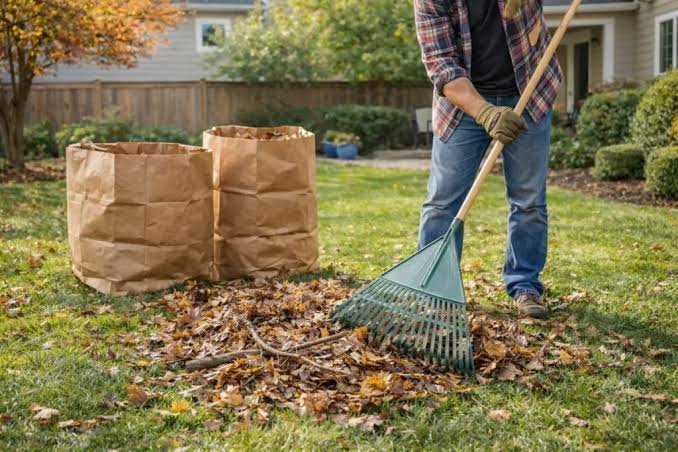
A yard may seem fairly manageable before work starts. Then a landscaping crew removes shrubs, trims trees, pulls roots, tears out old fencing, replaces hardscaping, and clears several years of accumulated yard waste.
Suddenly, there’s a pile occupying half the driveway.
For larger jobs, landscaping debris removal can help keep the project moving. Instead of creating several temporary piles around the property, workers can place suitable debris into a designated container as the work progresses.
That makes the site easier to navigate and gives everyone a better idea of how much material still needs to be removed.
Know What Counts as Yard Waste
Landscaping debris isn’t always the same everywhere.
Branches, leaves, brush, grass, roots, soil, rocks, concrete, and treated lumber can have different disposal requirements. Some facilities accept certain organic materials separately, while others may have restrictions on mixed loads.
Before starting a major landscaping project, ask what your disposal provider accepts.
This is especially important when removing trees or changing hardscaping. Heavy soil, stone, and concrete can reach weight limits much faster than lightweight branches.
A container that looks nowhere near full may still be too heavy.
Storms Can Change Everything Overnight
Severe weather can turn an ordinary property into a cleanup zone surprisingly fast.
High winds can bring down branches. Heavy rain may damage structures or wash debris into yards. Hail and other weather events can leave behind roofing materials, broken outdoor equipment, and damaged household items.
After a major event, storm cleanup needs to happen carefully rather than simply quickly.
First, make sure the property is safe. Downed power lines, unstable trees, damaged structures, and other hazards should be handled by qualified professionals when necessary.
Once the area is safe, debris can be sorted and removed systematically.
Trying to rush through a dangerous cleanup is rarely worth it.
Don’t Mix Hazardous Materials Into Ordinary Loads
Storms and renovation projects can uncover materials that require special handling.
Paint, fuel, chemicals, batteries, pesticides, certain electronics, and other potentially hazardous materials may not belong in a standard dumpster.
The same applies to some household products found during a move or property cleanout.
If you’re unsure about an item, ask the waste provider before placing it into the container. Disposal rules exist for good reasons, and guessing can create unnecessary risks for workers and the environment.
Choose the Dumpster Based on the Project
The right container size depends on the amount and type of material being removed.
A small household cleanup may only require a modest container. A complete home cleanout, major landscaping project, or extensive storm cleanup could require substantially more capacity.
Bulky items can fill a container quickly, while heavy materials can reach weight limits long before the container is physically full.
Describe the project honestly when arranging service. Explain what you’re removing and roughly how much material you expect.
A provider can often recommend a more suitable size when they have accurate information.
Placement Is Part of the Plan
Where the dumpster sits can make the project easier or harder.
For a residential cleanup, a driveway is often convenient, provided the surface can support the container and there is enough room for delivery and pickup.
Check for overhead branches and utility lines. Make sure parked vehicles won’t block access.
During landscaping work, place the container close enough to reduce unnecessary carrying but far enough away that equipment can operate safely.
After storms, access may be more complicated because fallen branches or damaged structures could block normal delivery routes.
A little planning before delivery can prevent a lot of rearranging later.
Load Carefully and Efficiently
Good loading isn’t about throwing everything in as quickly as possible.
Break down bulky items where appropriate. Flatten cardboard. Cut large branches into manageable pieces if permitted. Distribute material throughout the container instead of creating one enormous pile.
Heavy items should be loaded carefully and according to the provider’s instructions.
Never climb into a dumpster to rearrange debris. If material isn’t fitting safely, stop and find another solution.
Safety should always take priority over squeezing in one more piece of furniture or another load of branches.
Keep the Work Area Organized
A dumpster only helps if the surrounding property remains manageable.
Try to move debris into the container regularly instead of letting large piles build up around it. At the end of each workday, take a few minutes to clear walkways and remove loose materials.
This is particularly useful during landscaping projects. Branches and sharp debris can create trip hazards when scattered across a yard.
During a move, keeping the disposal area separate from packed belongings also reduces the chance of accidentally throwing away something important.
It sounds obvious, but when everyone is tired, mistakes happen.
Recycling and Reuse Still Matter
Large cleanup projects don’t have to mean sending everything to a landfill.
Metal, cardboard, certain plastics, concrete, and other materials may have recycling opportunities depending on local facilities. Usable furniture and household goods can often be donated.
After a storm, some wood or other materials may be salvageable, although damaged materials should only be reused when they’re genuinely safe.
The easiest approach is to make sorting part of the cleanup rather than trying to do it afterward.
Once everything is buried under a pile of debris, separating useful materials becomes much harder.
Give Yourself Enough Time
Cleanup schedules don’t always go according to plan.
A move may take longer because of unexpected belongings. Landscaping can uncover buried debris or damaged drainage. Storm cleanup can reveal structural issues that weren’t immediately visible.
When renting a temporary container, understand how long it can remain on the property and what happens if you need additional time.
Knowing the terms beforehand gives you room to adjust without unnecessary stress.
A Cleaner Finish Starts With Better Planning
Large cleanup projects are tiring enough without waste becoming another obstacle.
Whether you’re preparing for a move, transforming a yard, or recovering after severe weather, the basic strategy remains similar: understand what you’re removing, separate materials when possible, choose an appropriate container, plan its placement, and follow disposal requirements.
Most importantly, don’t wait until debris is covering the property before deciding how to handle it.
A dumpster won’t make the work disappear. You’ll still have boxes to sort, branches to move, furniture to lift, or damaged materials to clear.
But it can give the project some structure.
And when the last load goes in, the difference is noticeable. The driveway opens up again. The yard becomes visible. Rooms feel spacious. The property starts looking like itself.
That’s really what good cleanup is about—not simply getting rid of waste, but creating enough order to move forward.