Water problems rarely arrive with a dramatic announcement. Usually, they creep into everyday life.
You notice a faint smell when you turn on the kitchen tap. There’s a rusty-looking mark in the bathroom sink. The showerhead doesn’t seem to spray quite as well as it used to. Maybe your coffee tastes a little strange, even though you’ve been using the same beans for months.
These details can be easy to dismiss. But they’re often signs that something about the water deserves a closer look.
Choosing a water treatment system isn’t simply about finding the biggest filter or the most expensive equipment. It’s about understanding what’s in your water, figuring out what bothers you most, and choosing technology that addresses those specific conditions. Once you approach it that way, the options become much less confusing.
Every Home Has Its Own Water Story
Two houses on the same street can experience surprisingly different water issues. The source might differ, plumbing materials may not be identical, and private wells can have their own chemistry.
That’s why a neighbor’s recommendation, while well-intentioned, isn’t always the answer for your home.
Start by paying attention to the signs. Is the issue mainly taste? Odor? Staining? Mineral buildup? Sediment? Or are you worried about a particular contaminant?
Those questions provide useful direction before you spend money on equipment.
Don’t Treat Every Problem With the Same Filter
One of the biggest mistakes homeowners make is assuming that a filter is just a filter.
It isn’t.
Different treatment technologies are designed for different purposes. Sediment filtration can target particles. Activated carbon can help improve taste and reduce chlorine. Other media are designed to address particular minerals, metals, or odors.
Some homes may need only basic filtration, while others require a combination of technologies. This is where specialty & filters can become useful, especially when ordinary filtration isn’t enough to address a particular water-quality concern.
The goal isn’t to make your water pass through as many stages as possible. More equipment doesn’t automatically mean better water.
Testing Gives You Something Solid to Work With
Water can look perfectly clear and still contain substances you’d prefer to reduce. On the other hand, an unpleasant taste doesn’t necessarily mean the water is unsafe.
This is why testing is such a sensible starting point.
A water analysis can examine characteristics such as hardness, pH, iron, chlorine, and other parameters depending on the test. For private wells, testing can be particularly important because water chemistry can vary over time.
Once you have reliable results, it becomes much easier to decide which treatment method makes sense.
Think of testing as getting directions before a long drive. You might eventually reach the destination without them, but why make the journey harder than it needs to be?
Carbon Systems Can Improve Taste and Odor
Chlorine is commonly used to disinfect public water supplies, and while its presence serves an important purpose, some people don’t enjoy the taste or smell it can leave behind.
Carbon filtration is often used to address these concerns.
In applications where chlorine reduction and odor control are priorities, carbon and dechlorination systems can provide a practical treatment option. They can make drinking water more pleasant and may also improve the overall experience of using water around the home.
However, carbon filtration isn’t a universal solution. Its effectiveness depends on the specific media, contact time, water chemistry, and contaminants involved.
That’s another reason it pays to know what you’re treating.
Well Water May Bring Different Challenges
Private well owners sometimes face water issues that aren’t as common with treated municipal supplies.
Iron can leave orange or reddish stains on fixtures and laundry. Sulfur compounds may create a familiar rotten-egg odor. Sediment can make water look cloudy or cause problems for plumbing and equipment.
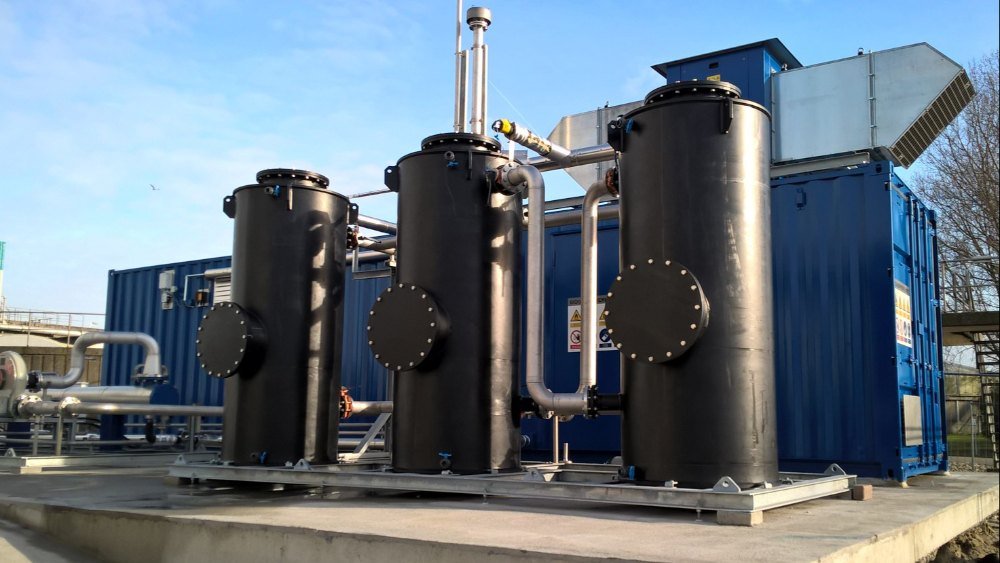
In these situations, iron, sulfur, and sediment filtration may be considered as part of a broader treatment strategy.
But again, testing should come first. Different forms of iron behave differently in water, and sulfur-related odors can have several possible causes. A system designed for one condition may perform poorly against another.
Getting the chemistry right matters.
Think About Where You Need Treated Water
Not every water problem requires whole-house treatment.
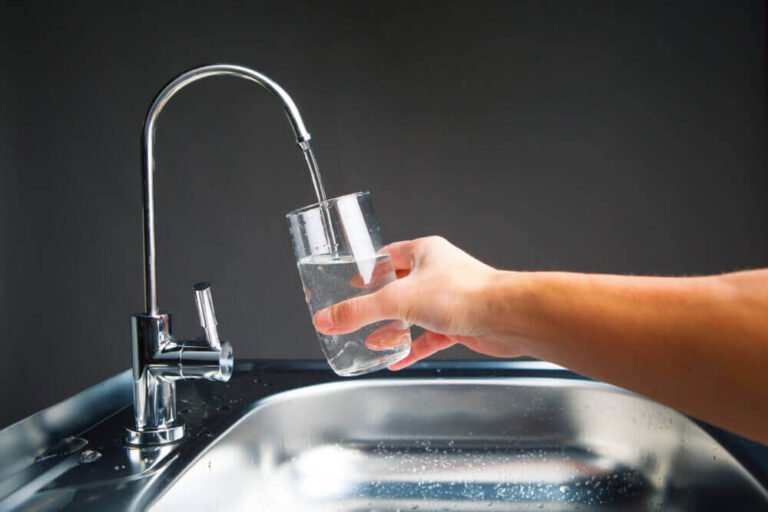
If your main concern is drinking and cooking water, a point-of-use system installed at the kitchen sink may be perfectly reasonable. It can provide treated water where you actually consume it without treating every gallon used for toilets, showers, and outdoor tasks.
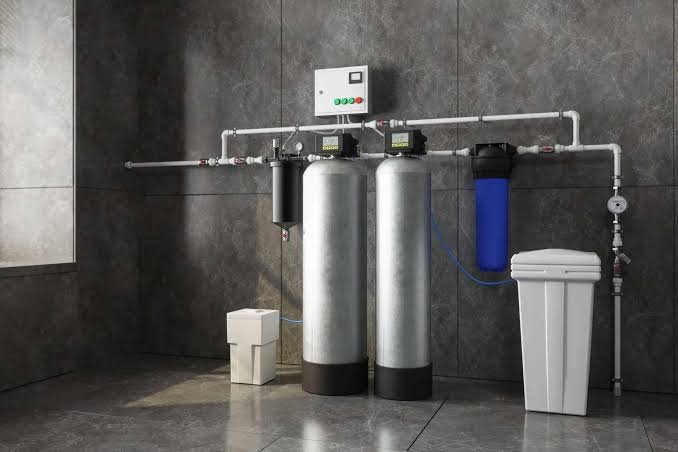
A whole-house system makes more sense when the concern affects the entire property.
For example, if hard water is creating scale throughout the plumbing system, treating only the kitchen won’t solve the problem. Likewise, if sediment is entering multiple fixtures, broader treatment may be worth considering.
The best setup is the one that fits the problem, not the one with the longest equipment list.
Don’t Forget Water Pressure and Flow
A filtration system needs to work with your home’s plumbing.
Every treatment device has flow limitations. If your household regularly runs several showers, washing machines, faucets, and appliances at the same time, the system needs enough capacity to keep up.
An undersized system can become frustrating very quickly. You may experience reduced flow, longer wait times, or inconsistent performance.
Before installation, consider household size, peak water demand, pipe size, incoming pressure, and the specifications of the equipment you’re considering.
It might not be the most exciting part of shopping for a filtration system, but it can make a huge difference later.
Maintenance Is Where Good Systems Prove Their Worth
Even excellent equipment needs attention.
Filters eventually become saturated. Media may need replacement or regeneration. Tanks and connections should be inspected, and certain systems require periodic cleaning or sanitation.
Ignoring maintenance can reduce performance and make it difficult to tell whether the original water problem has actually been solved.
Keep a simple record of filter changes and service dates. If you notice a sudden change in taste, pressure, color, or odor, don’t ignore it. A change in water quality can sometimes indicate that a filter needs attention—or that the underlying water conditions have changed.
Look Beyond the Initial Price
The cheapest system isn’t necessarily the least expensive system.
Consider replacement filter costs, service requirements, consumables, water usage, electricity, and expected equipment life. A system with a lower purchase price can become costly if its components require frequent replacement.
There’s also the value of convenience.
Nobody enjoys scrubbing mineral deposits every weekend or replacing stained fixtures sooner than expected. If treatment reduces those chores and protects water-using equipment, that benefit belongs in the calculation too.
Ask about the complete cost of ownership before making a decision.
Professional Guidance Can Save Guesswork
There is plenty homeowners can learn on their own, but unusual water problems deserve careful attention.
A qualified water-treatment professional can help interpret test results, recommend appropriate technology, size the equipment correctly, and explain maintenance requirements. More importantly, they should be able to tell you what a system doesn’t remove.
That’s an important distinction.
Be cautious about broad promises that one device will solve every possible water problem. Honest treatment advice should be based on testing and clearly defined goals.
Better Water Starts With Understanding, Not Shopping
The right water treatment system isn’t necessarily the newest, largest, or most complicated option. It’s the one that responds to the actual conditions in your home.
Start with the symptoms, then test the water. Understand which contaminants or characteristics you’re trying to address. Consider whether treatment is needed at one faucet or throughout the property. Finally, think about installation, maintenance, and long-term costs.
It may take a little more thought at the beginning, but that effort usually pays off.
Because when you finally turn on the tap and stop noticing the water altogether—no strange smell, no stubborn stains, no lingering aftertaste—that’s when you know the system is doing its job. Quietly, consistently, and without making a fuss.