Most people don’t think about their home’s water until it gives them a reason to. Maybe the morning coffee tastes a little strange. There are white spots on the dishes. The showerhead has developed a crusty ring that seems to come back no matter how often it gets scrubbed. Or perhaps the water from the kitchen tap has an odor that wasn’t there a few weeks ago.
None of these things should automatically cause alarm. But they are worth paying attention to.
Water quality can vary considerably from one property to another, even between neighboring homes. Municipal supplies, private wells, household plumbing, seasonal conditions, and local geology can all influence what comes out of a faucet. That’s why choosing treatment equipment shouldn’t begin with a product brochure. It should begin with understanding the water.
Don’t Guess What’s in the Water
Clear water isn’t necessarily problem-free water. Some dissolved minerals and other substances can’t be seen, smelled, or tasted. On the other hand, visible cloudiness isn’t automatically a sign of contamination either.
A proper water test can provide useful information about characteristics such as hardness, pH, iron, manganese, chlorine, sediment, and other parameters. The exact testing needed depends on the source and the concerns being investigated.
This matters because different problems call for different solutions. A softener can address hardness, for instance, while carbon filtration may be more suitable for certain tastes and odors. A system designed to capture sediment isn’t going to perform the same job as reverse osmosis.
Testing first can save a homeowner from making an expensive guess.
Drinking Water Deserves Its Own Consideration
The water used for drinking and cooking has a special place in most homes. It’s the water that goes into coffee, tea, soups, baby formula, ice makers, and the glass sitting beside your bed.
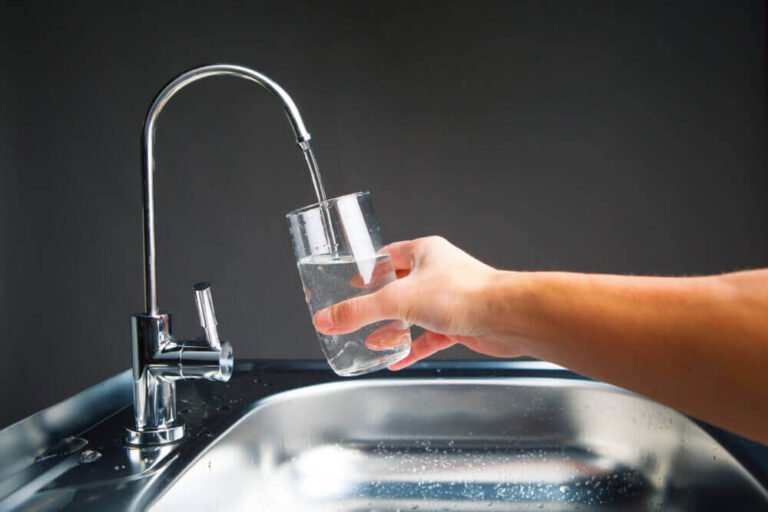
Drinking water filtration can provide an additional treatment step at the point where water is actually consumed. Depending on the technology, these systems can help reduce certain contaminants, unpleasant tastes, odors, or dissolved substances.
The important part is understanding what the filter is designed to remove. A carbon filter, for example, has different capabilities from a reverse osmosis system. Looking for specific performance claims and appropriate certifications is much more useful than choosing a product because its packaging says “advanced” or “premium.”
The goal isn’t to make water sound complicated. It’s to make sure the equipment matches the reason you’re installing it.
Private Wells Need a Different Mindset
If your home relies on a private well, you’re responsible for understanding and monitoring the source. There isn’t a municipal treatment plant standing between your property and the groundwater.
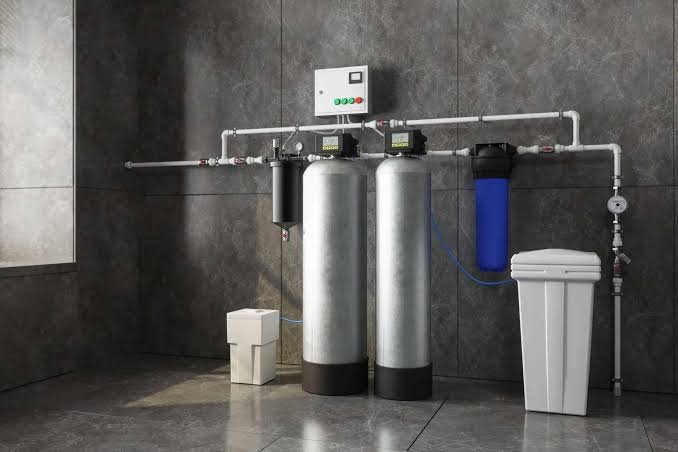
Well water treatment can involve several different technologies depending on what testing reveals. Common concerns may include hardness, iron, manganese, sediment, sulfur-related odors, or microbial contamination.
Well water can also change. Heavy rainfall, flooding, nearby construction, changes in drainage, or problems around the wellhead can affect conditions.
That doesn’t mean a well owner needs to worry constantly. It means testing and sensible maintenance should become part of normal home care, much like checking the roof, HVAC equipment, or water heater.
If the water suddenly looks, smells, or tastes different, don’t assume it’s simply time to replace a filter. The source may deserve a closer look.
Hard Water Can Slowly Become Expensive
Hard water is rarely an emergency, but it can be a persistent nuisance.
Calcium and magnesium in hard water can form scale around faucets, showerheads, appliances, and plumbing components. You may notice cloudy glassware, stiff-feeling laundry, or that frustrating white buildup that seems to return almost immediately after cleaning.
A properly sized softener can help reduce hardness and control scale. But sizing is important. Household water consumption, hardness levels, and peak demand all affect what equipment makes sense.
It’s also worth remembering that softening isn’t general-purpose filtration. If the water contains iron or sediment, those concerns may require additional treatment.
A system should be designed around the actual water conditions, not simply around the most common problem in the neighborhood.
Pay Attention to Changes in Pressure
Water pressure can reveal more than people realize.
If pressure has gradually declined throughout the house, the cause could be plumbing-related. But if the pressure drops after water passes through a treatment system, a clogged filter, restricted valve, or undersized component could be involved.
Notice when the problem happens. Is it at one faucet or every fixture? Does it happen only when multiple faucets are running? Is the pressure normal before treatment but weak afterward?
Those details help narrow down the issue.
And if a filter suddenly becomes clogged much faster than usual, don’t just keep replacing it. Something may have changed in the water supply, and the filter is simply revealing the change.
Filters Don’t Last Forever
One of the easiest maintenance tasks to forget is filter replacement.
You install a system, everything works beautifully, and months pass. Then life gets busy. The filter date gets pushed to the back of your mind.
Eventually, performance begins to decline.
Filter replacements & upgrades are a normal part of owning treatment equipment. Replacement schedules vary depending on the type of filter, water quality, household consumption, and manufacturer’s recommendations.
Keep a simple record of when filters were changed. If the system has multiple stages, label them if necessary. A few minutes of organization can prevent the classic “Was that filter changed last month or last year?” moment.
Upgrades should also have a purpose. If water demand has increased or the water chemistry has changed, newer equipment may be worthwhile. But replacing a system simply because something newer exists isn’t always a smart investment.
Installation Is Part of the Solution
Good equipment can perform poorly when it’s installed without considering the home’s plumbing and water demands.
Flow rate, pressure, drainage, electrical requirements, available space, and maintenance access all matter. A filter housing that’s impossible to reach isn’t exactly a gift to your future self.
Professional installation can also help ensure the equipment is sized correctly. This becomes particularly important in larger homes where multiple showers, appliances, and fixtures may operate simultaneously.
A treatment system shouldn’t just fit physically. It should fit the way your household uses water.
Maintenance Doesn’t Have to Be Complicated
Regular maintenance is mostly about consistency.
Check filters. Monitor softener settings and salt levels where applicable. Look for leaks. Keep the equipment area accessible. Pay attention to changes in taste, odor, pressure, or appearance.
If the system uses membranes, specialized media, pumps, or electronic controls, follow the appropriate service schedule.
Don’t wait until something completely fails before investigating. A small performance change is often much easier to address than a system that has been neglected for years.
Choose Treatment Based on Evidence
There’s no universal “best” water treatment system.
A household with mild hardness may need relatively simple equipment. A home on a private well could require several treatment stages. Another property may only need dedicated drinking-water filtration at the kitchen sink.
The best decision starts with testing and observation.
Understand the water source. Identify the actual concern. Consider household water use. Choose technology that addresses the problem, then think about installation and long-term maintenance.
That’s a much more reliable strategy than buying whatever system happens to have the longest list of features.
The Best Water System Is the One You Don’t Think About
Good water treatment should eventually become boring.
That’s actually a compliment.
You turn on the tap and the water tastes normal. You take a shower without worrying about scale. The fixtures stay cleaner. Your appliances aren’t constantly accumulating mineral deposits. The system quietly does its job in the background.
That’s what homeowners should be aiming for.
Not the most complicated equipment. Not the biggest system. Not the trendiest technology.
Just water treatment that makes sense for the home, the source, and the people using it every day.
When you start with facts instead of assumptions, better water becomes less of a mystery — and much easier to achieve.