A home doesn’t have to be completely renovated to feel fresh again. Sometimes, the biggest difference comes from fixing the things you’ve learned to live with.
Maybe the bathroom takes too long to drain. A cabinet door hangs slightly crooked. A shelf has been loose for months. Or there’s an awkward corner in the house that you’ve promised yourself you’ll finally make useful.
These aren’t dramatic problems. They’re just little reminders that a house is a living, working environment. Things wear out. Materials move. Families change. And eventually, the home needs to catch up.
The good news is that many improvements don’t require tearing everything apart. Thoughtful repairs and targeted upgrades can make rooms more comfortable, functional, and pleasant without turning your life into a construction zone.
Start With the Rooms That Work Hardest
Some parts of the house simply experience more wear than others.
The kitchen, bathroom, entryway, stairs, and living areas tend to see constant activity. Water, heat, foot traffic, furniture, and everyday use gradually take their toll.
That makes these rooms good places to begin.
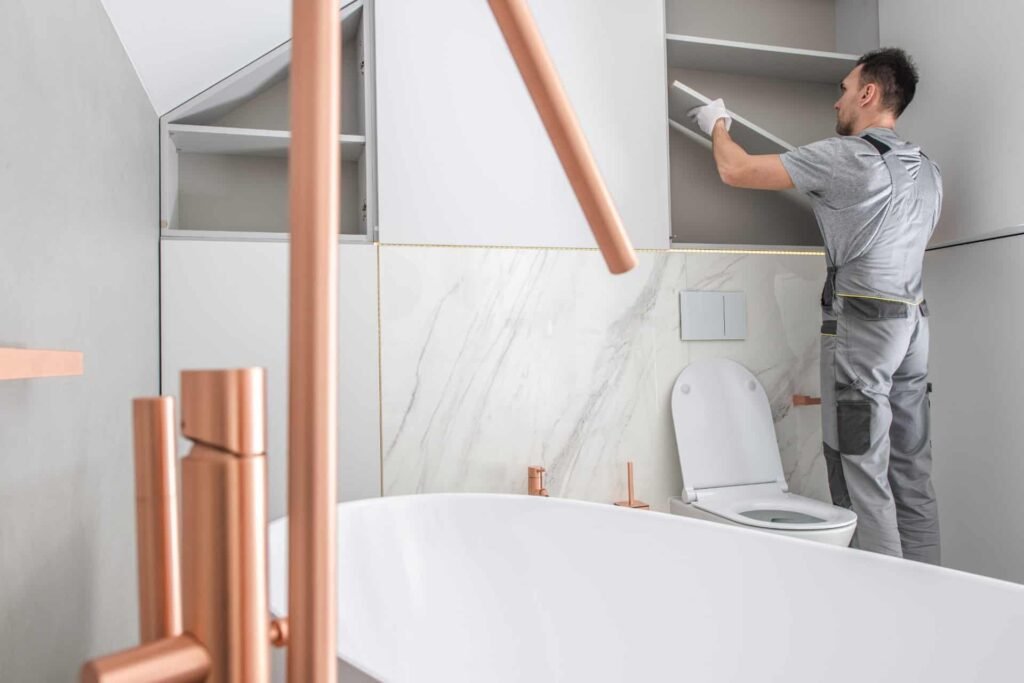
In the bathroom, for example, inspect faucets, drains, toilets, shower fittings, caulking, and visible plumbing connections. Professional bathroom plumbing work isn’t only about fixing dramatic leaks. It can also involve identifying slow drains, worn fixtures, poor connections, or problems that may eventually cause water damage.
A small plumbing issue is usually much easier to deal with before it becomes a soaked cabinet or damaged floor.
Give the Kitchen a Second Look
Kitchen cabinets can make a room feel dated even when the rest of the space is in decent condition.
That doesn’t necessarily mean replacing every cabinet.
If the boxes are structurally sound, cabinet refacing can offer a practical alternative. The process generally involves updating visible cabinet surfaces, doors, drawer fronts, and finishes while keeping much of the existing framework.
It’s particularly appealing when you like the current kitchen layout but aren’t thrilled with the appearance.
Of course, refacing isn’t right for every kitchen. Cabinets with serious water damage, structural deterioration, or poor layouts may be better candidates for replacement.
But when the basic bones are good, changing the visible surfaces can produce a surprisingly noticeable transformation.
Good Woodwork Has a Quiet Impact
There’s something about properly finished woodwork that makes a house feel more considered.
Shelves fit neatly. Trim lines up. Doors close properly. A custom storage solution fills an awkward space instead of leaving it unused.
Professional carpentry can address both practical and aesthetic needs, from repairing damaged wood to building shelves, trim, cabinets, benches, or other custom features.
You don’t always need a major project, either. A simple built-in shelf in a hallway can eliminate clutter. A properly fitted piece of trim can hide an uneven transition. A custom storage unit can make a small room considerably easier to live in.
Good carpentry tends to disappear into the house in the best possible way. It looks like it was always supposed to be there.
Don’t Ignore Doors and Hardware
Doors are used constantly, which makes them easy to take for granted.
A door that sticks, squeaks, swings open on its own, or refuses to latch properly is more than an annoyance. It may indicate loose hinges, shifting frames, worn hardware, or changes in the surrounding structure.
Start with simple checks. Tighten loose screws. Inspect hinges. Look at the strike plate and latch alignment.
If the problem keeps returning, it’s worth investigating further rather than repeatedly forcing the door shut.
The same goes for cabinet hardware, drawer slides, handles, and other small components. Replacing inexpensive hardware can sometimes make old furniture and cabinetry feel much better to use.
Water Deserves Your Attention
Water damage has a habit of hiding.
A small stain beneath a sink, bubbling paint near a window, or a soft patch of flooring may be the only visible clue that moisture is getting somewhere it shouldn’t.
Check around plumbing fixtures and appliances. Look inside cabinets. Inspect areas near exterior doors and windows after heavy rain.
If you find moisture, identify the source before repairing the visible damage.
Repainting a stained wall without fixing the leak underneath is like putting a clean shirt over a wet one. It may look better for a while, but the problem hasn’t actually gone away.
Make Storage Work Harder
A lot of household frustration comes down to storage.
When countertops are covered with appliances and paperwork, or closets are impossible to navigate, the home can feel smaller than it really is.
Before considering a major addition, look for unused areas.
Could a narrow wall hold built-in shelving? Could the space beneath the stairs become storage? Would a custom cabinet make better use of an awkward corner?
Small storage improvements can have an outsized effect because they reduce daily friction. You spend less time moving things around and more time actually using the room.
Floors Tell a Story
Flooring sees everything.
Pets scratch it. Shoes mark it. Furniture leaves impressions. Water occasionally finds its way into places it shouldn’t.
Some wear is simply part of owning a home. But changes in the floor can be worth investigating.
Look for loose tiles, raised boards, soft areas, unusual gaps, or sections that feel different underfoot. Moisture is especially important around bathrooms, kitchens, laundry areas, and exterior entrances.
A localized problem may be repairable without replacing the entire floor, particularly when it’s caught early.
Think About Ventilation
Comfort isn’t just about temperature.
Humidity, stale air, and condensation can affect how a home feels and how materials perform.
Bathrooms and kitchens produce plenty of moisture, so exhaust fans should actually move air effectively. If a mirror stays fogged long after a shower or condensation regularly appears on nearby surfaces, ventilation may need attention.
Good airflow can help protect finishes, reduce lingering odors, and make rooms more comfortable.
Sometimes the simplest improvements are the ones you notice every day.
Make Safety Part of Every Project
When improving a home, appearance shouldn’t be the only consideration.
Check stair railings, steps, flooring transitions, lighting, exterior walkways, and door hardware. Make sure frequently used areas are well lit and that loose or unstable components are repaired.
If an attic ladder feels shaky, don’t keep using it simply because you’ve gotten used to it.
If a handrail moves when you lean on it, that’s not a personality quirk of the house. It needs attention.
A beautiful home that isn’t safe isn’t really finished.
Know When to Bring in a Professional
DIY projects can be satisfying, and plenty of basic repairs are perfectly manageable for homeowners.
But there’s a difference between changing a cabinet handle and troubleshooting a serious plumbing problem.
Electrical work, structural modifications, major water damage, complicated plumbing repairs, and projects involving difficult heights can carry real risks.
Professional help isn’t about making every project more expensive. Often, it’s about getting the diagnosis right the first time.
If you’re uncertain about the cause of a problem, asking for an inspection may save you from spending money on the wrong repair.
Improve the Home You Actually Live In
Home improvement advice often focuses on big renovations, dramatic finishes, and expensive upgrades.
Those projects have their place. But everyday comfort is usually shaped by much smaller things.
A bathroom that drains properly. Cabinets that open smoothly. A sturdy shelf exactly where you need one. A door that closes without a fight. A floor that feels solid beneath your feet.
These improvements don’t necessarily make great television.
They do make a house easier to live in.
And perhaps that’s the better way to think about home improvement. Don’t start with what would look impressive to someone else. Start with what bothers you, what feels worn, or what could work better.
Fix those things thoughtfully, one at a time.
Eventually, all those small improvements add up. The house doesn’t just look better. It feels more like yours.