A beautiful home rarely happens by accident. Even interiors that look effortless usually have a lot of thinking behind them — where people walk, where furniture sits, how morning light enters a room, and whether there’s actually somewhere sensible to put the things we use every day. Good design isn’t simply about choosing attractive finishes. It’s about making a space feel natural, almost as though it was always meant to work that way.
That’s why the earliest stages of a project can matter more than the final decorative details. Paint colors and fabrics can change later. Moving a wall, shifting a doorway, or realizing the sofa doesn’t fit where you imagined it can be a much bigger headache. A little patience at the beginning can save an enormous amount of frustration down the road.
Starting With the Bigger Picture
Before selecting furniture or getting excited about finishes, it helps to understand the home as a whole. Every room has a relationship with the rooms around it. A kitchen connects to dining and living areas. Bedrooms need privacy. Entryways should offer a comfortable transition from outside to inside.
This is where floor plan review and refinement becomes especially valuable. Looking carefully at the plan can reveal things that aren’t immediately obvious on paper. Perhaps a hallway is wider than necessary, while another area feels cramped. Maybe a door swing interferes with furniture, or a window would work better in a slightly different position. These details may seem small, but they influence how a home feels every single day.
There’s also something reassuring about getting these decisions right early. Once construction begins, changing your mind becomes more complicated — and usually more expensive. Taking time with the plan gives homeowners room to think rather than react.
Designing Around Real Movement
People don’t live in floor plans. They live in spaces.
They carry groceries through the kitchen, drop bags near the entry, move from the sofa to the patio, gather around a dining table, and occasionally stumble through a dark hallway looking for the bathroom at midnight. Real life is wonderfully ordinary, and interior design needs to account for it.
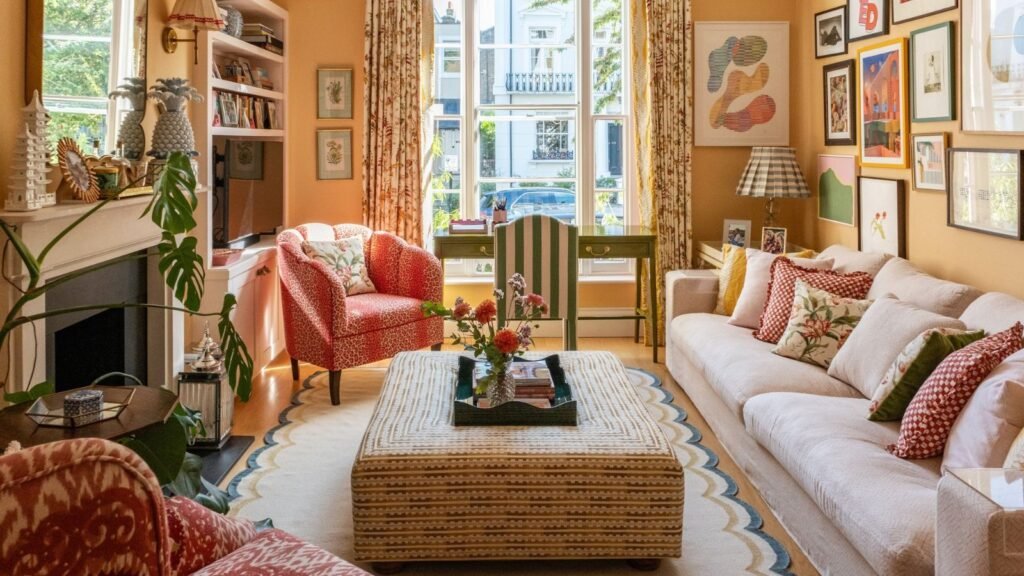
Good furniture layout and circulation planning helps make those everyday movements feel easy. A room shouldn’t require people to squeeze between a coffee table and sofa or walk around a dining chair just to reach another part of the house. There should be enough breathing room for movement without making the furniture feel disconnected.
This doesn’t mean every measurement has to be rigid. In fact, some of the most comfortable rooms have a little looseness to them. The goal is simply to understand how people are likely to use the space and arrange things accordingly.
Furniture Is More Than Decoration
Furniture has a surprisingly powerful role in shaping a room. A large sectional can make a spacious living room feel intimate, while a small sofa might leave the same room feeling oddly empty. A dining table can become the visual center of an open-plan space, especially when family and friends naturally gather around it.
Scale matters, too. Oversized furniture isn’t automatically luxurious, and smaller pieces aren’t automatically delicate or elegant. The right choice depends on ceiling height, room dimensions, architecture, windows, and the feeling you want to create.
Sometimes the best solution is not the obvious one. A pair of chairs might work better than another sofa. A console may create useful storage without visually crowding a hallway. A built-in bench could make an awkward corner surprisingly useful. Design gets interesting when you stop trying to force every room into a familiar formula.
Thinking About Everyday Practicalities
Beautiful rooms still need to function.
Storage is one of those things people often think about too late. Where will coats go? What happens to shoes, bags, chargers, cleaning supplies, books, toys, or the endless collection of things that somehow accumulates near the kitchen counter?
The answers don’t always need to be complicated. Sometimes a well-positioned cabinet solves the problem. Other times, custom millwork or built-in storage makes more sense. What matters is considering these needs before the finished room is filled with temporary solutions.
Lighting deserves the same attention. A room may have wonderful natural light during the afternoon but feel completely different after sunset. Layered lighting — ambient, task, and accent — can help the space adapt throughout the day. It’s one of those details you may not consciously notice when it’s done well. You simply feel comfortable.
Letting Architecture Guide the Interior
A thoughtful interior should respond to the architecture rather than compete with it.
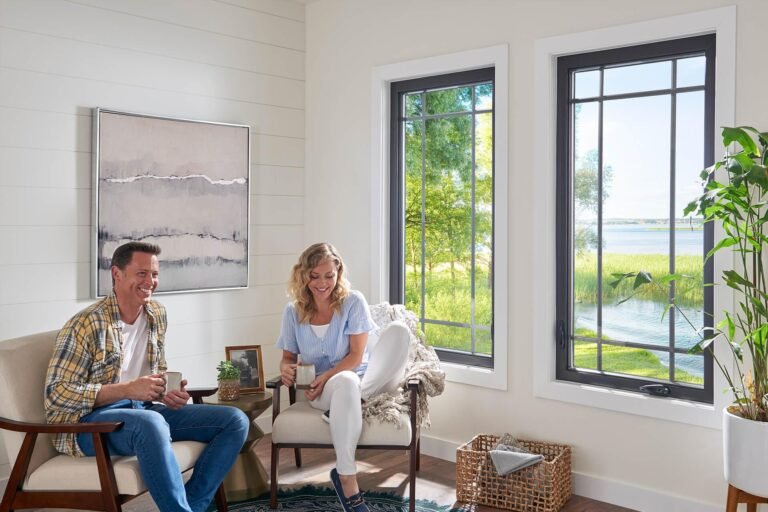
If a room has beautiful windows, furniture can be positioned to preserve the view. If the ceiling has unusual beams or architectural detailing, the furnishings might echo those lines without copying them literally. A strong fireplace can anchor a seating arrangement, while an open staircase may influence how nearby furniture is positioned.
This is where proportion becomes important. Designers often talk about scale because it determines whether individual pieces feel like they belong together. But proportion is also emotional. A low, relaxed sofa can make a room feel casual and grounded. Tall shelving can emphasize height and create a sense of drama.
There’s no universal formula. What feels right in one house might feel completely wrong in another.
The Value of Thinking Ahead
Homes change. Children grow, work situations shift, hobbies come and go, and the dining room sometimes becomes a homework station for reasons nobody predicted.
That’s why thoughtful planning should leave some room for life to evolve. A guest bedroom might eventually become an office. A media room could double as a playroom. Flexible furniture and adaptable storage can make those transitions much easier.
It’s also worth thinking about technology without allowing it to dominate the design. Outlets, charging points, speakers, televisions, and lighting controls are much easier to integrate when considered early. Nobody wants to finish a beautiful room and then realize the only convenient place for a television requires a cable stretched across the floor.
Creating Comfort Without Overthinking It
The best-designed homes don’t necessarily feel designed. That may sound strange, but it’s true.
When circulation is comfortable, furniture feels proportional, storage is where you need it, and lighting works naturally throughout the day, people stop noticing the mechanics. They simply enjoy the space.
That’s the real reward of careful design. It creates an environment where ordinary moments feel a little easier — breakfast before work, a quiet cup of coffee, friends staying too long after dinner, or a Sunday afternoon spent doing absolutely nothing.
A home should have personality, certainly. It should reflect the people who live there. But underneath that personality should be a strong foundation of decisions that make everyday life feel effortless.
And perhaps that’s the most meaningful part of designing a home from the ground up. You’re not just arranging rooms. You’re creating the setting for years of ordinary, memorable life. The details matter because the life happening around them matters even more.