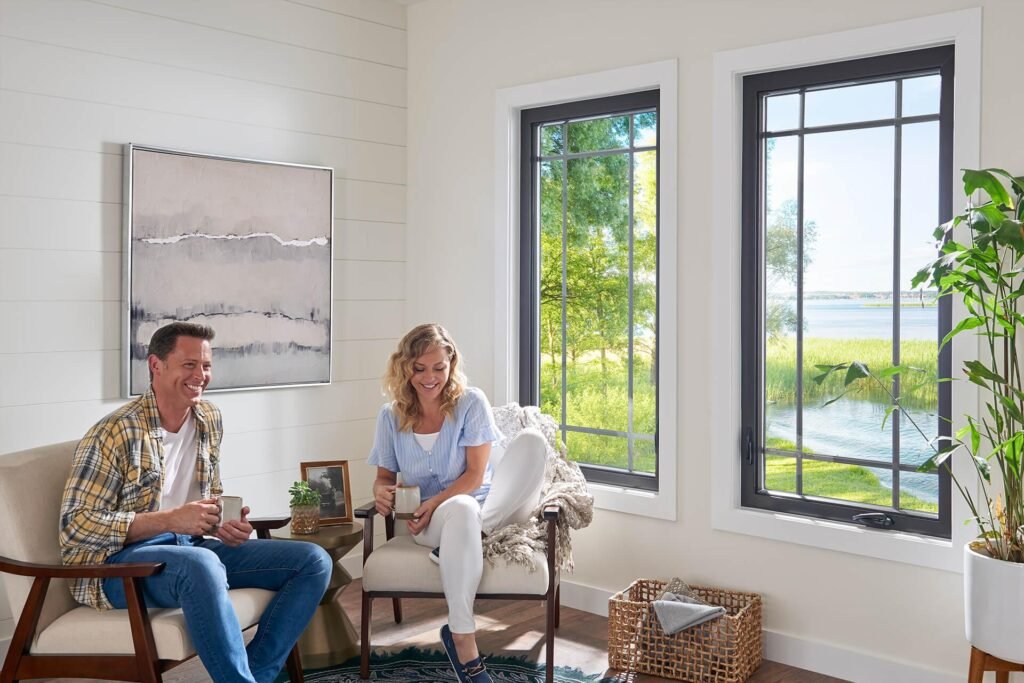
Windows are one of those home features you don’t really notice until they start causing trouble. A room feels chilly near the glass. The heating or cooling system seems to run forever. Condensation keeps appearing. Maybe a window sticks every time you try to open it, which gets old surprisingly fast.
At that point, replacing windows can seem like an obvious answer. But choosing the right ones takes a little more thought than picking a frame color from a brochure.
Windows affect comfort, daylight, ventilation, appearance, noise, and how efficiently a home manages heat. The right choice depends on the house, the climate, the orientation of the windows, and what you actually want to improve.
Start With the Problem, Not the Product
Before shopping for new windows, figure out what’s bothering you about the existing ones.
Are there noticeable drafts? Is outdoor noise becoming an issue? Do the windows leak during heavy rain? Are they difficult to operate? Perhaps they’re simply damaged or worn out.
Sometimes a repair, new weatherstripping, or improved sealing can solve a problem without replacing the entire unit.
If several windows are failing or showing similar signs of age, though, replacement may be worth considering. Having a clear reason for the project helps prevent you from paying for features you don’t really need.
Why Energy Performance Gets So Much Attention
Modern energy efficient windows are designed to reduce unwanted heat transfer between the indoors and outdoors.
That can be particularly useful when older windows have single-pane glass, worn seals, or poorly performing frames. Depending on the home and climate, better-performing windows may help reduce drafts and make rooms feel more consistent.
Still, don’t expect new windows to magically cut every energy bill in half.
Insulation, air leakage, roofing, doors, HVAC equipment, and attic conditions all matter. Windows are one part of a larger building system.
If energy savings are your main goal, look at the entire home before deciding where to invest.
Glass Options Can Be Confusing
Window technology comes with plenty of technical language.
Double-pane and triple-pane glass are common choices. Low-emissivity coatings can influence heat transfer and solar performance. Gas-filled insulating spaces may also be used in some designs.
The important thing is understanding what those features actually do for your home.
For example, a window facing strong afternoon sunlight may have different performance needs from one shaded by trees. A house in a cold climate has different priorities from one in a consistently hot region.
Don’t let a long list of specifications make the decision for you. Ask the installer to explain how each feature relates to your specific property.
Vinyl Has Become a Popular Choice
For homeowners who want a practical option with relatively simple maintenance, vinyl windows can be appealing.
They are available in various styles and colors and generally don’t require the regular painting associated with traditional wood frames.
That doesn’t mean vinyl is indestructible. Hardware can wear out, seals can fail, and frames can still become damaged.
When comparing vinyl products, look beyond the basic appearance. Ask about frame construction, glass options, warranties, installation requirements, and expected performance.
A good product installed properly will usually serve you better than a bargain product chosen simply because it has the lowest initial price.
Think About the Style of the House
A window should look like it belongs on the property.
Traditional homes often benefit from proportions and grille patterns that reflect their original architecture. Contemporary homes may suit larger glass areas and simpler profiles.
Look at the roof, siding, trim, doors, and overall shape of the house before making a choice.
It’s also worth thinking about the interior. Window placement influences how daylight enters a room and how furniture can be arranged.
The best replacement doesn’t just improve technical performance. It should still feel natural when you look at it from both sides.
Residential Windows Need to Fit Everyday Life
The phrase residential windows covers a surprisingly broad range of needs.
A bedroom window may need privacy and quiet. A kitchen window might need easy ventilation. A living room could benefit from larger glass areas and abundant daylight.
Think about how each room is used rather than choosing the exact same configuration everywhere.
You may also want to consider emergency egress requirements for certain sleeping areas, depending on local building regulations.
This is where professional guidance can be useful. A knowledgeable installer can help identify practical requirements that aren’t always obvious during a showroom visit.
Don’t Forget Ventilation
One advantage of traditional operable windows is simple: fresh air.
Even homes with mechanical ventilation can benefit from windows that open easily when outdoor conditions are comfortable.
Casement, awning, sliding, double-hung, and other styles each have different operating characteristics.
Think about what feels natural for your household.
If a window is difficult to reach or operate, you’re less likely to use it. A beautiful window that never gets opened isn’t doing much for ventilation.
Noise Reduction Can Be Worth Considering
If your home is near a busy street, school, commercial area, or another regular source of noise, window selection can make a noticeable difference.
However, not every energy-efficient window is automatically a high-performance sound-control window.
Different glazing configurations and frame designs can affect acoustic performance. Installation quality matters too.
If reducing noise is important, mention it before choosing the product. You may find that upgrading specific windows on the loudest side of the house makes more sense than replacing every window.
Watch for Moisture Around Existing Frames
Moisture is one of the more serious warning signs.
Look for staining, peeling finishes, soft wood, mold-like odors, or repeated dampness around frames.
The source may be the window itself, but it could also involve flashing, siding, gutters, or another part of the exterior.
This matters during replacement because the surrounding opening needs to be sound.
Installing a beautiful new window over damaged framing doesn’t solve the underlying problem.
Installation Deserves as Much Attention as the Window
It’s easy to spend hours comparing brands and almost no time researching installers.
Don’t make that mistake.
The installation determines how well the window connects to the surrounding wall. Proper shimming, fastening, flashing, insulation, and sealing all contribute to performance.
Ask prospective contractors how they handle existing damage and what their installation process involves.
A clear explanation is a good sign.
You should also understand whether interior trim, exterior finishing, disposal of old windows, and cleanup are included in the estimate.
Get More Than One Estimate
Comparing estimates is useful, but make sure you’re comparing similar scopes of work.
One quote might include extensive preparation and finishing while another only covers basic installation.
Ask for details about:
- Window type and specifications
- Glass configuration
- Installation method
- Removal and disposal
- Interior and exterior trim
- Warranty coverage
- Expected project timeline
- Handling of unexpected structural damage
A detailed estimate is much easier to evaluate than a single number scribbled at the bottom of a page.
Maintenance Doesn’t End After Installation
New windows need care, too.
Keep tracks and drainage paths clean. Check visible seals and caulking. Operate moving parts periodically. Look for condensation or signs of moisture.
If the manufacturer recommends particular cleaning products or maintenance procedures, follow them.
Small problems are easier to address when they’re noticed early.
Don’t Replace Good Windows Just for the Sake of It
There’s a tendency in home improvement to assume newer always means better.
That’s not necessarily true.
If existing windows are performing well, aren’t damaged, and meet your needs, keeping them may be the most sensible choice.
Replacement should have a reason behind it—comfort, damage, performance, appearance, maintenance, or another genuine need.
That keeps the project practical rather than turning it into an expensive exercise in chasing the newest product.
A Good Window Should Make Life Easier
The best windows aren’t necessarily the most expensive ones.
They’re the ones that suit the home, climate, rooms, budget, and daily routine. They should open when you want fresh air, keep unwanted weather outside, provide the level of comfort you expect, and look natural on the property.
Start by understanding the problems with your existing windows. Then compare materials, glass options, styles, and installers with those needs in mind.
Most importantly, don’t overlook installation.
A carefully selected window installed properly can quietly improve a home for years. And honestly, that’s probably the best kind of home improvement—one you notice at first, then simply enjoy without having to think about it every day.