There’s something quietly beautiful about a celebration that doesn’t try too hard. No enormous guest list, no packed schedule, no pressure to impress every person in the room. Just good people, a thoughtful setting, food everyone enjoys and enough time to actually talk.
That’s part of the reason a small wedding can feel so meaningful. With fewer guests, couples often have more opportunities to be present instead of spending the entire day moving from one conversation to another. It becomes less about putting on a huge production and more about sharing a genuinely important moment with the people closest to you.
And really, isn’t that what a celebration is supposed to be about?
Choosing a Place That Feels Personal
The setting can shape the mood of the entire occasion.
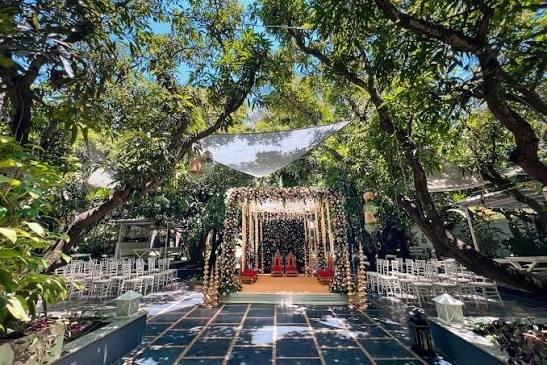
Some couples prefer a traditional venue with elegant interiors, while others want something more relaxed and connected to the outdoors. A lakeside property, forest retreat, garden or countryside location can provide a sense of calm that is difficult to recreate indoors.
A nature-surrounded venue can also give guests space to breathe. People can step outside between meals, take a short walk or simply sit somewhere quiet and enjoy the scenery.
The key is choosing a location that feels like you. Don’t book a place just because it photographs well online. Think about how you and your guests will actually experience it.
Why Smaller Guest Lists Can Be Special
A smaller guest list isn’t simply a shorter version of a large event.
It changes the entire atmosphere.
When there are fewer people, conversations become easier. Guests can meet one another without feeling overwhelmed, and the couple has more time to spend with family and close friends.
The same idea works for birthdays, anniversaries and reunions. A private gathering can create an atmosphere where people feel comfortable staying longer, telling stories and catching up properly.
There’s no need to rush from one person to the next.
Sometimes one long conversation with someone you haven’t seen in years is worth more than twenty quick greetings.
Think About the Guest Experience
When planning a smaller event, it’s easy to focus entirely on the main celebration. But guests notice the little things.
Is parking convenient? Are restrooms easy to reach? Is there enough seating? Can older guests move around comfortably? Is there shade if the weather is warm?
These questions aren’t particularly exciting, but they matter.
If your event is outdoors, consider weather protection. A covered area can make a huge difference if the sun becomes intense or rain suddenly appears.
For evening celebrations, lighting is important too. Pathways, entrances and seating areas should be visible without making the environment feel overly bright.
Comfort doesn’t have to be fancy. It just needs to be considered.
Let Nature Do Some of the Decorating
One advantage of an outdoor setting is that you may not need much decoration at all.
Trees, flowers, water, mountains and open skies already provide plenty of visual character. Instead of covering everything with decorations, use natural features to complement the event.
Simple table arrangements, seasonal flowers and warm lighting can be enough.
This can also make planning less stressful. You aren’t trying to transform the entire venue into something it isn’t. You’re simply enhancing what is already there.
And when the sunset arrives, there’s no decoration in the world that can compete with it.
Plan Food Around the Atmosphere
Food can help determine how formal or relaxed your celebration feels.
A plated meal creates a more traditional atmosphere, while buffet or family-style dining encourages guests to move around and talk.
For a casual gathering, outdoor grilling can be a lot of fun. Guests may naturally gather around the cooking area, and the smell of food adds to the atmosphere.
Whatever style you choose, make sure dietary needs are considered ahead of time. Ask about allergies and preferences before the event rather than trying to solve them at the last minute.
And don’t forget drinks. A simple self-service station can keep guests comfortable without requiring someone to constantly play host.
Keep the Schedule Loose
Having a timeline is useful. Following it down to the minute usually isn’t.
Outdoor celebrations often have their own rhythm. Photographs might take longer. Dinner could turn into a long conversation. Guests may want to spend extra time outside because the weather is beautiful.
Build some flexibility into the schedule.
If you’re planning a ceremony, leave enough time afterward for photographs and congratulations. If you’re hosting a family gathering, avoid filling every hour with activities.
People need breathing room.
The event should feel like a celebration, not an appointment they have to keep checking.
Make the Details Meaningful
Small celebrations give you more room to personalize things.
Instead of choosing decorations simply because they’re popular, include details that have some connection to your story.
Use a favorite family recipe. Display old photographs. Play songs that mean something to you. Add handwritten notes for guests.
These details don’t need to be expensive.
In fact, the simplest ones can have the strongest emotional impact because they feel genuine.
A photograph of your grandparents at their wedding may mean far more than an expensive centerpiece that could belong to any event.
Always Have a Backup Plan
Outdoor events are beautiful, but weather doesn’t care about your plans.
Before booking a venue, ask what happens if conditions become unsuitable. Is there an indoor room? A covered patio? Can the event be moved?
You don’t have to obsess over the forecast. Just have a practical alternative.
That way, if the weather changes, you can focus on your guests rather than trying to solve everything at once.
Remember Why Everyone Is There
When you’re planning an important event, it’s easy to get caught up in details.
The table settings. The photographs. The food. The schedule.
All of those things matter, but they aren’t the reason people came.
They came to celebrate you.
So take a moment during the event to look around. Notice who’s laughing. Notice the people talking in the corner. Watch your family enjoying themselves.
Those are the things you’ll remember later.
The Beauty of Keeping Things Simple
A meaningful celebration doesn’t need to be enormous.
Sometimes a smaller guest list, a comfortable setting and a little thoughtful planning create a much stronger experience than a huge event filled with distractions.
Choose a place that feels natural. Make your guests comfortable. Personalize the details that matter, and don’t panic when something goes slightly off schedule.
Because years from now, nobody will care that the flowers weren’t perfectly arranged or that dinner started ten minutes late.
They’ll remember being together.
And honestly, that’s probably the best measure of a successful celebration.