There’s a specific kind of leader people remember years later — not because they were the strictest or the most efficient, but because working under them genuinely changed how the team thought about their own potential. That’s the core idea behind transformational leadership, and it’s more than just a buzzword from a management textbook.
I’ve noticed this leadership style gets talked about a lot in theory, but rarely broken down into what it actually looks like day to day. Let’s fix that.
What Transformational Leadership Actually Means
Quick answer: Transformational leadership is a style where leaders inspire and motivate their team toward a shared vision, focusing on individual growth and long-term development rather than just managing tasks and enforcing rules.
The Four Core Elements of Transformational Leadership
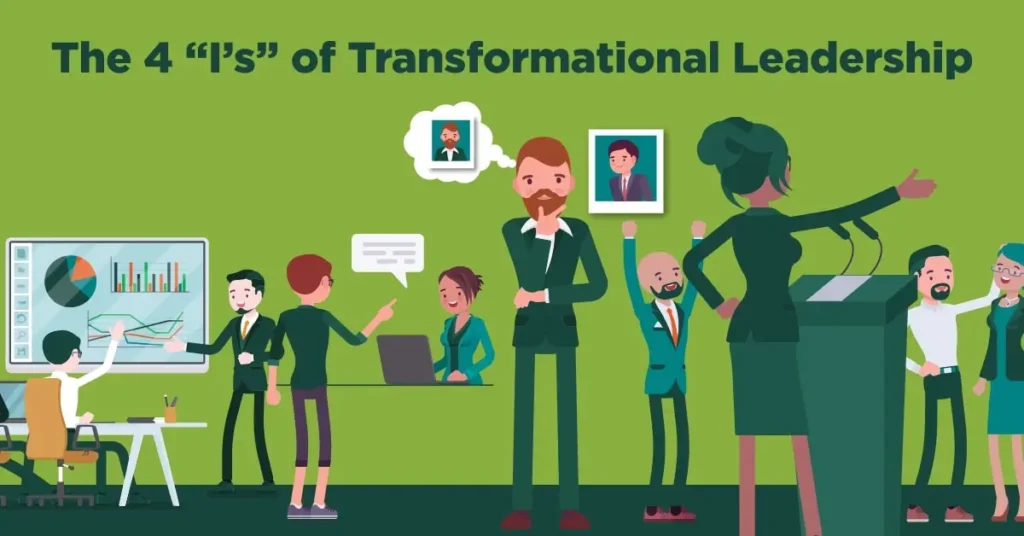
This leadership style is usually broken down into four connected components, often called the “Four I’s.”
- Idealized Influence — the leader acts as a role model, earning respect through consistent, ethical behavior
- Inspirational Motivation — communicating a compelling vision that genuinely motivates the team, not just repeating targets
- Intellectual Stimulation — encouraging creative thinking and challenging assumptions, rather than demanding compliance
- Individualized Consideration — genuinely investing in each team member’s individual growth and needs
Transformational vs Transactional Leadership
It helps to understand this style by contrasting it with transactional leadership, which focuses primarily on rewards and consequences tied directly to performance. Transactional leadership asks “did you hit your target?” Transformational leadership asks “how can we help you grow so hitting targets becomes natural?”
Picture two sales managers. One offers a bonus for hitting numbers and little else. The other regularly discusses each rep’s career goals, connects daily tasks to a larger purpose, and challenges the team to solve problems creatively. Both might hit similar short-term numbers, but the second team typically shows stronger long-term loyalty and initiative.
Real-World Example: A Small Business Scenario
Picture a mid-sized manufacturing company where the new plant manager, instead of simply enforcing production quotas, spends time understanding what each supervisor actually wants from their career, involves the team in solving quality issues rather than just dictating fixes, and consistently communicates how the plant’s work connects to the company’s broader mission. Within a year, employee turnover drops noticeably — not because of a pay increase, but because people feel genuinely invested in.
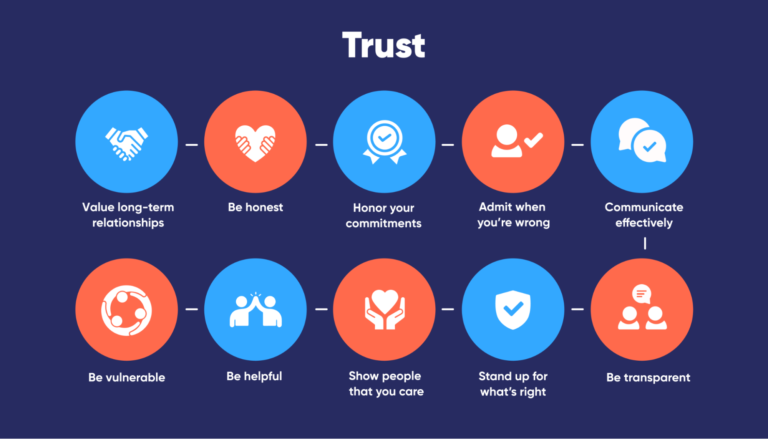
[link to related guide about how to build trust as a leader here]
Why Transformational Leadership Works (When It’s Genuine)
Quick answer: Transformational leadership tends to build stronger employee engagement and lower turnover because it addresses intrinsic motivation — purpose, growth, recognition — rather than relying solely on external rewards or pressure.
The Risk of Faking It
I’ve noticed this style can backfire badly if it’s performed rather than genuine. Employees can usually tell the difference between a leader who actually cares about their growth and one who’s just using the language of “empowerment” while making all the same top-down decisions as before.
Has this ever happened to you — a manager talking about “vision” and “growth” in meetings while day-to-day management stays entirely command-and-control? That gap destroys credibility faster than never attempting the style at all.
When Transformational Leadership Might Not Fit
This style isn’t universally ideal for every situation. In highly regulated environments, crisis management, or situations requiring strict, immediate compliance (safety protocols, for example), a more directive approach is often genuinely more appropriate in the moment.
Building Transformational Leadership Skills Gradually
This isn’t a switch you flip overnight. Start small — genuinely ask team members about their career goals, not just their current tasks. Explain the “why” behind decisions, not just the “what.” Challenge your team’s thinking occasionally instead of just directing their actions.
Measuring Whether It’s Actually Working
Look beyond just performance numbers — track employee engagement, voluntary turnover, and whether team members are bringing forward their own ideas rather than just waiting for instructions. These are the real signals transformational leadership is landing.
FAQ
Q: Is transformational leadership better than transactional leadership? Neither is universally better — transformational leadership often builds stronger long-term engagement, while transactional approaches can work well for short-term, task-focused situations.
Q: Can transformational leadership be learned, or is it a natural trait? It can absolutely be developed through intentional practice — genuine curiosity about team members and consistent communication of purpose are skills, not fixed personality traits.
Q: Does transformational leadership work in every industry? It tends to work particularly well in knowledge-based and creative industries, though elements of it (individual consideration, vision communication) benefit almost any team.
Q: How is transformational leadership different from charismatic leadership? Charismatic leadership relies heavily on the leader’s personal charm and persuasion, while transformational leadership focuses more broadly on genuine team development and shared vision, regardless of the leader’s personal charisma.
Q: What’s a common mistake leaders make trying to be transformational? Talking about vision and empowerment without actually changing day-to-day management behavior — employees notice the disconnect quickly.
Q: Can a new manager practice transformational leadership immediately? Yes, though it typically builds credibility gradually — starting with genuine listening and consistent follow-through before larger vision-setting efforts land effectively.
Conclusion
Transformational leadership isn’t about grand speeches or charisma — it’s about consistently investing in people’s growth, communicating genuine purpose, and matching your words with your actions over time. It takes longer to build than simply managing tasks and rewards, but the loyalty and initiative it creates tend to last far longer too. Start with one team member — understand what actually motivates them beyond the paycheck — and build outward from there.
Suggested alt text: “Leader mentoring team member in a one-on-one growth conversation” Suggested alt text: “Team collaborating and problem-solving under transformational leadership style”