Ever had a supplier vanish overnight, or a key client just… stop paying? If you run a business, you already know that risk isn’t some abstract concept from a textbook — it’s Tuesday afternoon. Business risk management is really just a fancy term for asking “what could go wrong, and what do I do about it” before it actually happens.
I’ve worked with a handful of small business owners over the years, and honestly, the ones who survive rough patches aren’t the ones with the fanciest strategy decks. They’re the ones who did the boring groundwork early. This guide walks through what that groundwork actually looks like in 2026.
What Business Risk Management Actually Means
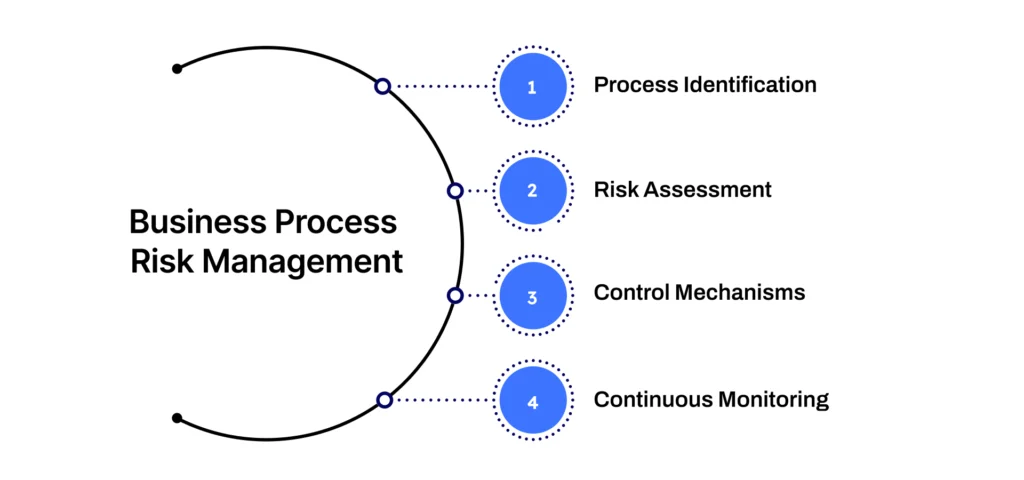
At its core, business risk management is the process of identifying, evaluating, and preparing for anything that could derail your operations — financial, legal, operational, or reputational. It’s not about eliminating risk (you can’t) — it’s about not getting blindsided by it.
Quick answer: Business risk management is the ongoing process of spotting potential threats to a company — financial, operational, legal, or market-related — and putting plans in place to reduce their impact before they happen.
Common Types of Business Risk You’ll Actually Face
Not all risks are created equal, and most owners only think about the obvious ones until something unexpected hits.
- Financial risk — cash flow gaps, bad debt, currency fluctuations if you deal internationally
- Operational risk — equipment failure, supply chain hiccups, staff turnover at the worst possible time
- Compliance risk — missing a regulatory filing, GST issues, labor law changes
- Reputational risk — one bad review going viral, a data leak, a PR mess
- Strategic risk — betting big on a product line that the market simply doesn’t want
Picture a small business owner in Jaipur running a boutique textile export unit. A single shipment delayed at customs can wipe out a month’s margin if there’s no buffer built in. That’s operational and financial risk colliding at once.
Step One: Build a Risk Register (Yes, Really)
This sounds corporate, but it doesn’t have to be complicated. Grab a spreadsheet. List every risk you can think of. Rate each one on likelihood and impact, low to high. That’s it — that’s the risk register.
I’ve noticed most owners skip this because it feels like paperwork for paperwork’s sake. But once it’s written down, patterns show up that you’d never notice just carrying worries around in your head.
Step Two: Prioritize What Actually Matters
You can’t fix everything at once, and trying to will burn you out. Focus on high-likelihood, high-impact risks first — the ones that could genuinely sink the business, not just annoy you for a week.
Has this ever happened to you — spending three days fixing a minor website glitch while a real cash flow problem quietly got worse in the background? That’s misallocated risk attention, and it’s more common than owners like to admit.
Step Three: Build In Financial Buffers
A basic rule I recommend: keep at least 3-6 months of operating expenses in reserve if you can manage it. For businesses with seasonal swings — say, a wedding décor company that earns 70% of its revenue between October and February — this buffer isn’t optional, it’s survival.
Business risk management without a financial cushion is just wishful thinking written on paper.
Step Four: Get the Right Insurance (Not Just Any Insurance)
Plenty of small businesses in India carry basic fire or theft insurance and stop there. But depending on your industry, you might need liability cover, cyber insurance, or key-person insurance if the business leans heavily on one or two people.
[link to related guide about choosing business insurance here]
Step Five: Diversify Where It Counts
Relying on one supplier, one client, or one sales channel is comfortable right up until it isn’t. I’ve seen a business lose 40% of its revenue overnight because a single client — who accounted for nearly half their sales — switched vendors. Spreading risk across multiple clients or channels isn’t glamorous advice, but it works.
Step Six: Review and Update Regularly
Risk isn’t static. New competitors show up, laws change, technology shifts. Set a calendar reminder — quarterly works for most small businesses — to revisit your risk register and adjust it.
Quick answer: A good rule is to review your business risk management plan every quarter, and immediately after any major change like a new product launch, hire, or market expansion.
Step Seven: Train Your Team to Spot Risk Too
You can’t watch everything yourself. Employees on the ground often notice problems — a supplier’s quality slipping, a competitor undercutting prices — before owners do. Build a simple habit of asking your team what’s worrying them once a month.
FAQ
Q: Is business risk management only for large companies? Not at all — small businesses often face bigger consequences from unmanaged risk simply because they have thinner margins and less cushion.
Q: How much time should a small business owner spend on risk management? An hour or two a month reviewing your risk register is usually enough once the initial setup is done.
Q: What’s the biggest risk most small businesses ignore? Client concentration — relying too heavily on one or two customers for most of your revenue.
Q: Do I need software for this, or can a spreadsheet work? A spreadsheet is genuinely fine for most small businesses. Software helps once you’re managing a larger, more complex operation.
Q: How does risk management differ from insurance? Insurance is one tool within risk management — it covers financial loss after something goes wrong, while risk management aims to reduce the odds of it happening at all.
Q: What’s the first step if I’ve never done this before? Start with the risk register. Just writing down what worries you about the business is the real first step — everything else builds from there.
Conclusion
Business risk management doesn’t need to be a 40-page corporate document nobody reads. For most small business owners, it’s a living list, a financial cushion, and the habit of asking “what if” before problems show up uninvited. Start with your risk register this week — even a rough one beats none at all — and build from there as your business grows.
Suggested alt text: “Small business owner reviewing a risk management checklist at a desk” Suggested alt text: “Spreadsheet showing a simple business risk register with likelihood and impact columns”