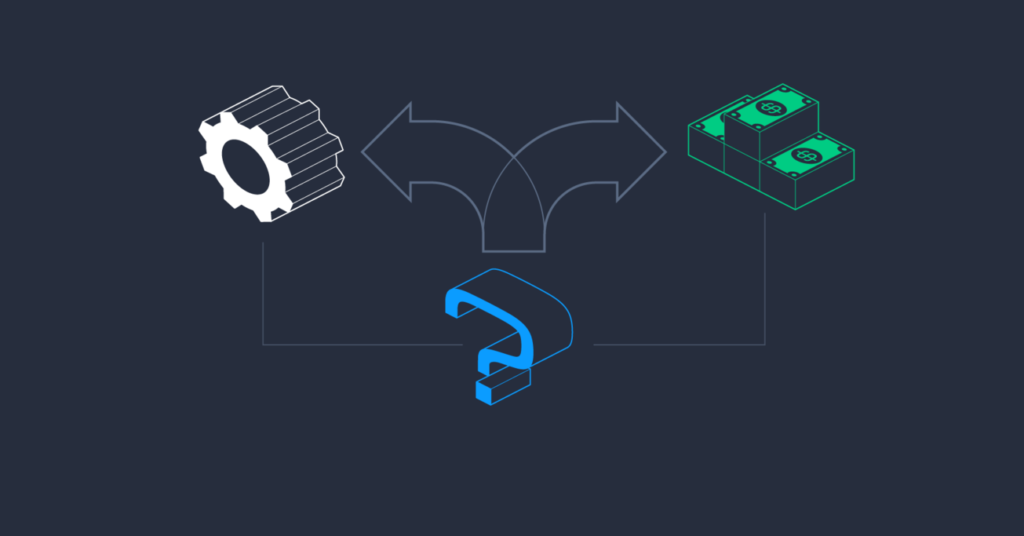
Every founder hits this fork in the road eventually — do you fund the business yourself, or go chase investors? The bootstrapping vs venture capital debate gets treated like a moral question online, as if one path is “purer” than the other. It isn’t. It’s just a business decision, and the right answer depends entirely on what you’re building.
I’ve talked to founders on both sides, and honestly, the ones who regret their choice usually picked based on ego or trend, not on what their actual business needed.
What Bootstrapping Really Means
Bootstrapping means funding your startup through personal savings, early revenue, or small loans — without giving up equity to outside investors.
Quick answer: Bootstrapping is building and growing a company using your own money and early customer revenue, keeping full ownership and control, rather than raising money from investors.
What Venture Capital Actually Offers
Venture capital (VC) firms invest larger sums in exchange for equity, usually betting on high-growth potential rather than steady profitability. In return, you get capital, but also investor expectations, board seats, and pressure to grow fast — sometimes faster than makes sense for the business.
The Real Trade-Off: Control vs Speed
This is the heart of the bootstrapping vs venture capital decision. Bootstrapping keeps you in the driver’s seat — every decision is yours. VC funding can accelerate growth dramatically, but it comes with strings: board oversight, growth targets, and eventually, an expectation of an exit (acquisition or IPO).
Picture two founders starting similar SaaS products in Bengaluru. One bootstraps, growing slowly with paying customers from month one, staying lean and profitable. The other raises a seed round, hires fast, and scales aggressively — but now answers to investors who want 10x growth, not steady 20% growth.
When Bootstrapping Makes More Sense
- You’re building a service-based or niche product with a clear path to early revenue
- You want to retain full ownership and decision-making control
- Your market doesn’t require winner-take-all speed to succeed
- You’re comfortable with slower, more sustainable growth
I’ve noticed bootstrapped founders tend to build more disciplined, profit-focused habits early — mostly because they have no choice. There’s no investor cash cushion to hide behind.
When Venture Capital Makes More Sense
- Your business needs significant upfront capital (hardware, R&D, deep tech)
- You’re in a winner-take-most market where speed determines survival
- You have a scalable model that gets meaningfully better with more users or data
- You’re comfortable trading some control for faster growth potential
Quick answer: Venture capital tends to suit startups in fast-moving, capital-intensive, or winner-take-all markets, while bootstrapping suits businesses that can reach profitability with lower upfront costs.
What Bootstrapped Founders Give Up
Slower growth is the obvious one, but there’s also limited room for error — a bad month can hurt more when there’s no investor cushion. Hiring is often slower too, since payroll comes directly from revenue.
[link to related guide about startup funding stages here]
What VC-Backed Founders Give Up
Equity is the obvious cost, but control is the bigger one long-term. Board seats mean outside voices in major decisions. And the pressure to hit aggressive growth targets can push founders toward decisions that prioritize scale over sustainability.
A Middle Path: Revenue-Based Financing
It’s worth mentioning there’s a middle ground growing in popularity — revenue-based financing and smaller angel investments that don’t demand the same control as traditional VC. This can bridge the gap for founders who want capital without the full VC playbook.
How to Actually Decide
Ask yourself honestly: does my business model need speed to survive, or does it need patience to mature? If a competitor with more funding could out-scale you and win the market first, VC might be necessary. If your edge is quality, niche focus, or customer relationships, bootstrapping often protects that edge better.
FAQ
Q: Can a startup switch from bootstrapping to VC funding later? Yes, many startups bootstrap early to prove the model, then raise VC once there’s traction to negotiate from a stronger position.
Q: Is bootstrapping riskier than raising VC? It carries more personal financial risk, but less pressure-driven risk — you won’t be pushed into decisions that don’t fit your long-term vision.
Q: How much equity do VCs typically take in a seed round? It varies widely, but seed rounds commonly involve giving up somewhere between 10-25% equity, depending on valuation and terms.
Q: Do I need a big idea to bootstrap successfully? Not necessarily — bootstrapped businesses often succeed with focused, profitable niches rather than massive, disruptive ideas.
Q: Which path is better for a first-time founder? There’s no universal answer, but many first-time founders benefit from bootstrapping initially to learn the business deeply before taking on investor expectations.
Q: Can bootstrapped companies still get big? Absolutely — plenty of well-known, highly profitable companies were built entirely without venture capital.
Conclusion
There’s no universally “right” side in the bootstrapping vs venture capital debate — it comes down to your market, your appetite for control, and how fast you genuinely need to move. Some businesses are built to scale fast with outside fuel. Others are built to grow steady and stay yours. Know which kind you’re building before you chase (or reject) that first funding conversation.
Suggested alt text: “Founder reviewing startup finances and funding options on a laptop” Suggested alt text: “Comparison chart of bootstrapping versus venture capital funding paths”