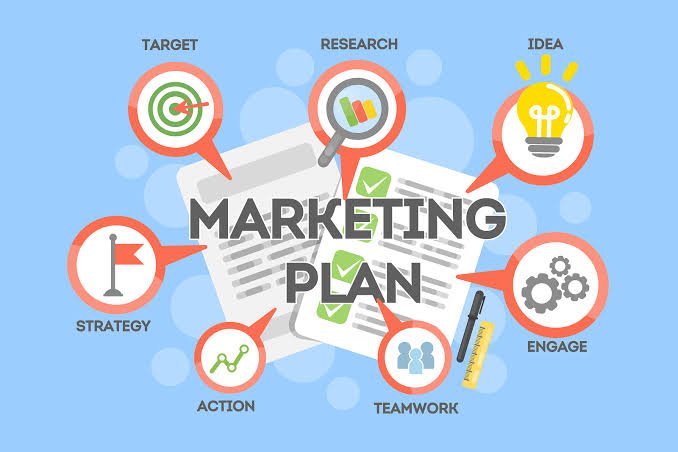
Most small business owners I’ve talked to don’t lack marketing ideas — they lack a plan to organize them into something that actually moves the needle. Figuring out how to create a marketing plan from zero feels overwhelming at first, but it really comes down to a handful of clear steps, done in the right order.
I’ve noticed businesses without a written plan tend to market reactively — jumping between tactics based on whatever feels urgent that week, rather than following a coherent strategy.
What a Marketing Plan Actually Needs to Include
Quick answer: A marketing plan should define your target audience, key goals, core marketing channels, budget, and a timeline — giving you a clear roadmap instead of scattered, reactive marketing efforts.
Step One: Define Your Target Audience Precisely
Vague targeting (“everyone who might need our product”) wastes resources. Get specific — age range, location, income level, specific problems they’re facing. The more precise, the more effectively every other decision in your plan can be made.
Picture a small skincare brand in Jaipur initially marketing to “anyone interested in skincare.” After narrowing down to “working women aged 25-40 dealing with pollution-related skin issues,” their messaging, channels, and even product photography became far more targeted — and results improved noticeably.
Step Two: Set Specific, Measurable Goals
- Increase website traffic by a specific percentage within a defined timeframe
- Generate a specific number of qualified leads per month
- Grow social media engagement or followers by a measurable amount
- Increase repeat purchase rate by a specific percentage
Vague goals like “get more customers” make it impossible to know if the plan is actually working.
Step Three: Choose the Right Channels (Not All of Them)
Quick answer: Choosing marketing channels should be based on where your specific target audience actually spends time — not simply using every available channel, which spreads budget and effort too thin to be effective on any single one.
I’ve noticed small businesses often try to be present everywhere — Instagram, Facebook, email, print, events — and end up doing all of them poorly instead of doing two or three genuinely well.
Step Four: Set a Realistic Budget
Allocate budget based on which channels are likely to reach your audience most effectively, not just what feels trendy. Track spend per channel so you can see which ones are actually delivering results relative to their cost.
[link to related guide about content marketing strategy here]
Step Five: Build a Content and Campaign Calendar
Plan out key campaigns, content themes, and important dates (seasonal events, product launches) at least a quarter in advance. This prevents the scramble of trying to come up with content ideas the day you need to post something.
Step Six: Define Your Core Messaging
Has this ever happened to you — visiting a business’s website and social media and getting completely different impressions of what they actually offer? Consistent messaging across all channels builds recognition and trust far more effectively than varied, ad-hoc messaging.
Step Seven: Plan for Measurement From Day One
Decide upfront how you’ll track whether the plan is working — website analytics, sales attribution, social media engagement rates. Waiting until after a campaign to figure out how to measure it usually means missing valuable data along the way.
Step Eight: Build in Flexibility
Quick answer: A good marketing plan isn’t rigid — it should include scheduled review points (monthly or quarterly) to assess what’s working and adjust the approach based on real results, rather than sticking to an outdated plan out of stubbornness.
Common Mistakes When Building a First Marketing Plan
- Trying to appeal to too broad an audience instead of a specific niche
- Setting vague, unmeasurable goals
- Spreading budget across too many channels instead of focusing
- Never revisiting or adjusting the plan once it’s written
FAQ
Q: How long should a small business marketing plan cover? A quarterly plan with an annual overview works well for most small businesses, allowing flexibility to adjust based on results.
Q: Do I need a big budget to create an effective marketing plan? No — an effective plan is about focus and clarity, not budget size; even small budgets can be highly effective when targeted well.
Q: How often should a marketing plan be reviewed? Monthly check-ins on performance, with a more thorough quarterly review of the overall strategy, work well for most small businesses.
Q: What’s the most important part of a marketing plan? Clearly defining your target audience — nearly every other decision in the plan flows from getting this right.
Q: Should I hire a marketing agency to create my plan? Not necessarily at the start — many small businesses can build an effective initial plan themselves, bringing in outside expertise later as needs grow more complex.
Q: How many marketing channels should a small business focus on initially? Generally two to three channels, chosen based on where the target audience actually spends time, works better than spreading thin across many.
Conclusion
Knowing how to create a marketing plan isn’t about mastering complicated strategy frameworks — it’s about getting specific on who you’re targeting, what you’re trying to achieve, and which channels genuinely reach that audience. Start simple, measure consistently, and adjust as real results come in. A clear, even imperfect plan will always outperform scattered, reactive marketing.
Suggested alt text: “Marketing plan document with goals and channel strategy laid out” Suggested alt text: “Small business owner building a marketing calendar on a whiteboard”