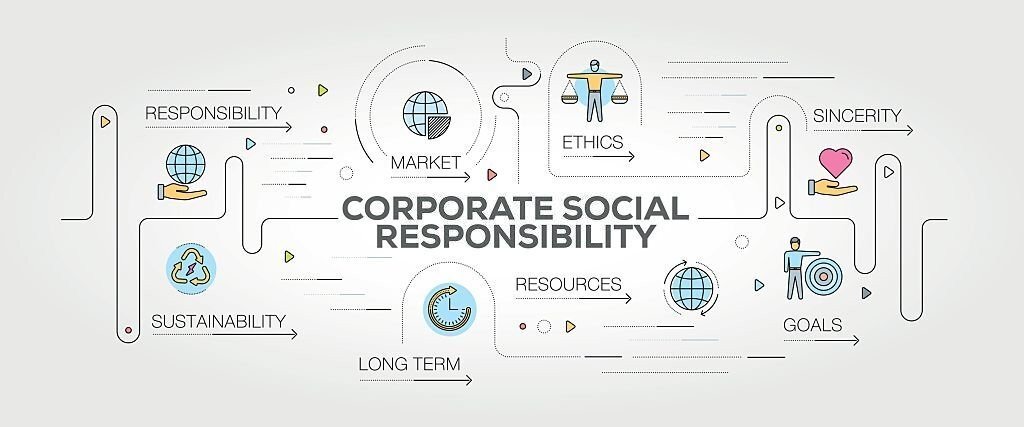
There was a time when corporate social responsibility felt like a box-ticking exercise — a line in an annual report, a photo of employees planting trees once a year. That’s changed. Customers, employees, and even investors now actually check whether a company’s actions match its claims, not just the claims themselves.
I’ve noticed the businesses that treat CSR as a genuine part of their strategy — not a marketing afterthought — tend to build far more durable trust with customers over time.
What Corporate Social Responsibility Actually Means
Quick answer: Corporate social responsibility is a company’s commitment to operating ethically and contributing positively to society and the environment — beyond just what’s legally required — in ways that are genuinely integrated into how the business runs, not just its marketing.
Why CSR Has Become a Real Business Factor, Not Just Ethics
It’s tempting to frame CSR purely as a moral choice, but there’s a practical business case too. Customers increasingly research a company’s practices before buying, especially younger consumers. Employees, too, weigh a company’s values when choosing where to work — this affects retention and recruitment costs directly.
Picture two competing companies with similar products and pricing. One has a clear, consistent record of fair labor practices and environmental care; the other doesn’t talk about it at all. Increasingly, that difference actually moves purchase decisions.
The Four Common Pillars of CSR
- Environmental responsibility — reducing waste, emissions, and resource consumption
- Ethical labor practices — fair wages, safe working conditions, no exploitative practices in the supply chain
- Community involvement — local investment, charitable partnerships, volunteer programs
- Corporate governance — transparency, accountability, and ethical decision-making at leadership level
How Small Businesses Can Practice CSR (It’s Not Just for Big Companies)
I’ve noticed small business owners often assume CSR is only relevant once you’re a large corporation with a dedicated department. That’s not accurate. Small, consistent actions count — sourcing locally, reducing packaging waste, fair treatment of suppliers, or supporting a local cause regularly rather than once a year.
[link to related guide about building a strong corporate culture here]
Avoiding “Greenwashing” and Performative CSR
Quick answer: Greenwashing happens when a company markets itself as socially or environmentally responsible without making real, verifiable changes to its operations — and it tends to backfire badly once customers notice the gap between claims and reality.
Has this ever happened to you — noticing a brand’s sustainability claims don’t quite add up when you look closer? Customers notice too, and the reputational damage from being caught can outweigh whatever short-term marketing benefit the claim provided.
CSR and Employee Retention
Employees increasingly want to feel their work contributes to something beyond quarterly targets. Companies with genuine CSR initiatives — not just posters in the break room — tend to report stronger employee engagement and lower turnover, particularly among younger employees entering the workforce.
How to Measure CSR Impact Honestly
Set specific, measurable goals rather than vague commitments. “Reduce packaging waste by 20% this year” is measurable and honest. “Committed to sustainability” without specifics is easy to say and hard to verify — and customers are getting better at telling the difference.
Building CSR Into Business Strategy, Not Just Marketing
The most effective CSR efforts are woven into actual business decisions — sourcing, hiring, operations — rather than sitting separately as a marketing campaign. A company that changes its supply chain to ensure fair labor practices is doing something fundamentally different from one that just runs a charity ad once a year.
The Long-Term Business Case for CSR
Beyond reputation, genuine CSR practices often reduce risk — ethical supply chains are less likely to face scandal, environmentally responsible operations often reduce long-term costs, and strong community ties can provide real support during difficult periods for the business.
FAQ
Q: Is corporate social responsibility only relevant for large companies? No — small businesses can and increasingly do practice meaningful CSR through local sourcing, fair treatment of employees and suppliers, and community involvement.
Q: How can a company avoid accusations of greenwashing? By setting specific, measurable commitments and being transparent about progress, rather than making vague or unverifiable claims.
Q: Does CSR actually affect a company’s bottom line? Increasingly, yes — through customer loyalty, employee retention, and reduced risk from ethical missteps or scandals.
Q: What’s the difference between CSR and corporate governance? CSR focuses on a company’s broader social and environmental impact, while corporate governance focuses specifically on internal accountability, transparency, and ethical leadership decision-making.
Q: How do I start implementing CSR in a small business? Start with one or two specific, measurable commitments — such as reducing packaging waste or supporting a local cause consistently — rather than trying to do everything at once.
Q: Do customers really care about CSR when making purchase decisions? Increasingly yes, particularly among younger consumers who actively research a brand’s practices before buying.
Conclusion
Corporate social responsibility isn’t a trend that’s going to fade — it’s becoming a genuine expectation from customers, employees, and increasingly, investors. The companies getting real value from it aren’t the ones with the flashiest campaigns — they’re the ones making specific, honest commitments and actually following through. Start small, be specific, and let your actions do more talking than your marketing does.
Suggested alt text: “Corporate team participating in a community volunteer initiative” Suggested alt text: “Business leaders discussing sustainable and ethical company practices”